Why some rifles earn loyalty — and others don’t last a season
Some rifles become trusted partners that live in the truck year after year, while others are traded away before the first winter storm. The difference is only partly about ballistics or brand names. It usually comes down to how a rifle behaves in real hunts, how it fits the shooter, and whether it keeps doing its job when the weather, the ammo, or the owner’s expectations change.
From barrel life to scope mounts, from cartridge nostalgia to modern manufacturing shortcuts, the details that decide whether a rifle earns loyalty are often small, specific, and intensely personal. Yet across hunters and shooters, clear patterns explain why certain rifles keep getting pulled from the safe while others quietly disappear from the lineup.
Mechanical life span and the myth of the “forever rifle”
Every rifle has a mechanical life that depends on which parts wear out first. Barrels erode at the throat, springs weaken, and locking lugs polish themselves into new shapes. In one technical discussion, users explained that, depending on the type of firearm, different parts are the limiting factor and that some components simply wear until accuracy or reliability falls below the owner’s standard, which is how a gun’s life span effectively ends.
High velocity cartridges tend to burn out barrels faster, while mild loads in classic chamberings can keep a hunting rifle accurate for decades. Failure is usually gradual, not catastrophic. Groups open up, point of impact drifts, extraction gets sticky. Shooters who understand that wear is incremental are more likely to maintain rifles, replace parts, and keep an old favorite running instead of discarding it after the first sign of trouble.
That slow decline shapes loyalty. A rifle that gives plenty of warning before performance drops, and that can be revived with a new barrel or a spring kit, feels like a long term partner. One that starts shearing extractors or cracking stocks without warning feels disposable, no matter how impressive the spec sheet looked on day one.
Cartridges, nostalgia, and why “new” does not always win
Rifle loyalty is often tied less to the action than to the cartridge stamped on the barrel. Shooters form attachments to rounds that have delivered clean kills and predictable recoil. One report noted that newer cartridges have not displaced established favorites such as the 7mm Remington Magnum or the 30-06 Spring, even as marketing pushes fresh chamberings into catalogs. The piece pointed out that, meanwhile, these familiar rounds still anchor hunting camps and that Weatherby continues to make ammo for long standing proprietary offerings, which reinforces attachment to older rifles chambered in those rounds.
This dynamic explains why a hunter may cling to a worn 7mm Remington Magnum long after sleeker options appear. Ammunition availability, confidence in terminal performance, and memories of past seasons give that rifle emotional weight. A new rifle in a trendy cartridge that is hard to find on shelves will struggle to build the same trust, especially if the owner worries that a future shortage could sideline it.
Manufacturers that support legacy cartridges, and retailers that keep them stocked, effectively support loyalty to the rifles that fire them. When a cartridge is orphaned, by contrast, the rifles chambered for it often get pushed to the back of the safe, no matter how well they shoot.
Fit, handling, and why some rifles simply “disappear” in the hands
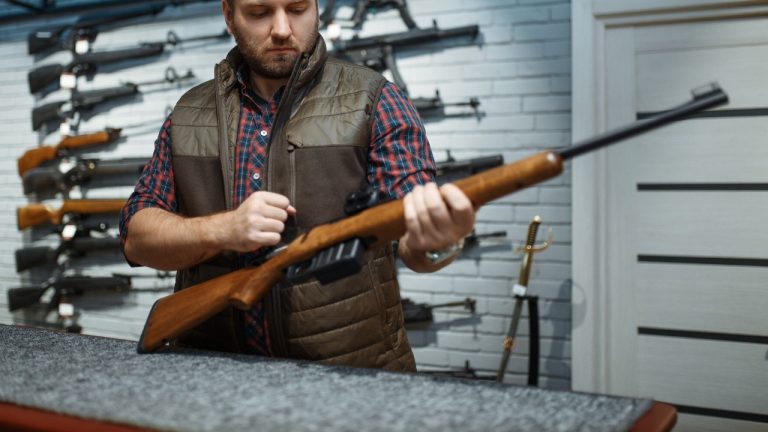
Comfort and fit are often the first things experienced hunters mention when describing a rifle they truly trust. One practical guide stressed that the first element in choosing a hunting rifle is ensuring that the firearm fits the shooter, listing comfort and fit as the starting point for any serious selection. That advice aligns with the way loyal owners talk about their rifles: they describe a stock that mounts naturally, a length of pull that feels right in heavy clothing, and a balance that keeps the muzzle steady offhand.
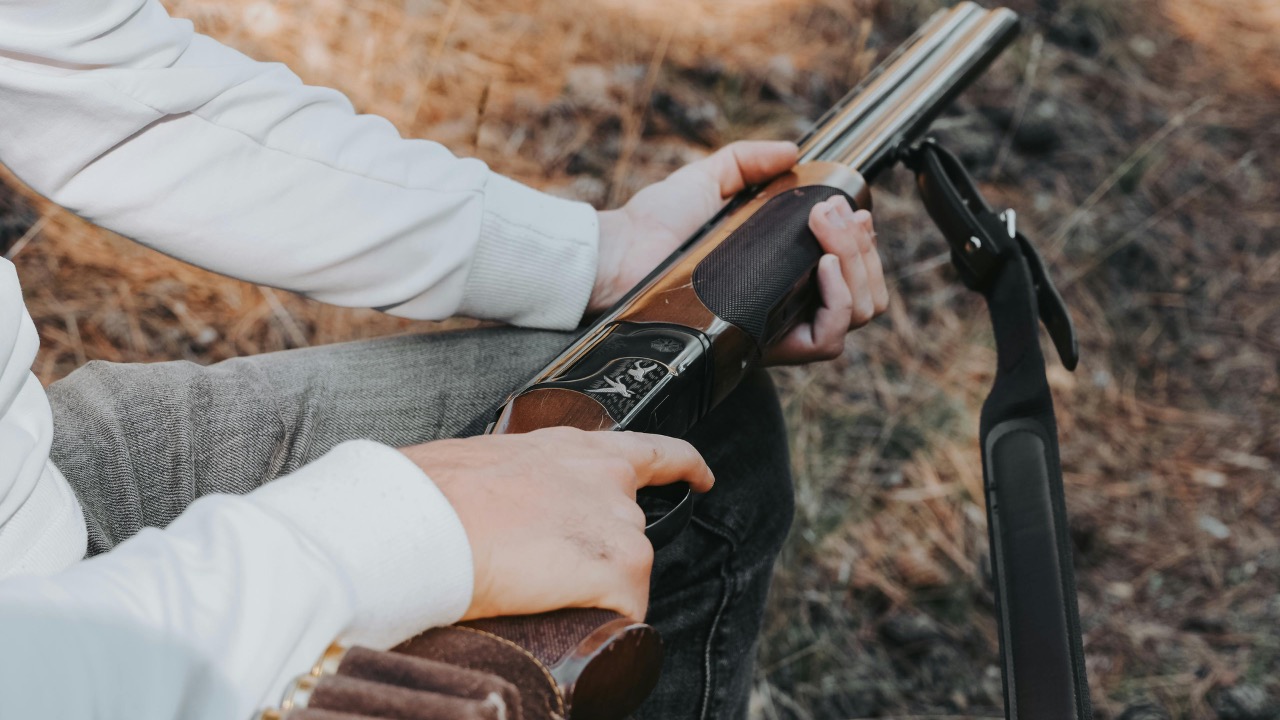
Other experts argue that if a hunter pursues a variety of game in different conditions, a single rifle probably cannot do everything. One analysis suggested that if someone hunts varied species and environments, just one probably will not do it, and that maybe a couple or three rifles are needed to cover the range of tasks. That perspective encourages shooters to think in terms of roles rather than a single “do it all” gun. A light mountain rifle that carries beautifully on a steep ridge can earn fierce loyalty even if it is not the best choice for long range shooting from a blind.
Rifles that feel clumsy, slap the shooter in the cheek, or require awkward contortions to see through a scope rarely get a second season. They might be mechanically sound, but if they never quite disappear in the hands, they stay on the used rack or get traded toward something that does.
Accuracy, consistency, and the real meaning of “shoots lights out”
Accuracy remains a central benchmark, but serious hunters distinguish between occasional tiny groups and repeatable performance. One technical overview of deer rifles highlighted accuracy and range as critical factors, defining success as the ability to consistently hit the vital zone of a deer at typical distances. The focus was not on benchrest bragging rights but on reliable hits in field positions.
Another set of guidelines broke down traits of a great hunting rifle and emphasized first rate accuracy and precision. That source defined an accurate rifle as one that hits where it is aimed and used the term precision to describe the repeatability of that accuracy from shot to shot. In that framework, a rifle that reliably stays inside a 2 MOA envelope with hunting ammunition is more valuable than one that occasionally prints a single tiny group and then wanders.
Hunters also recognize that real world shot distances are often shorter than their practice ranges. One experienced elk hunter described preparing for shots out to 600 yards, the maximum at a local range, but then having multiple opportunities on elk and mulies inside that distance. The point was that a shooter who trains seriously at longer range tends to be more confident at typical field distances than one who does not, and that a rifle which holds its zero and prints predictable groups at those practice ranges quickly becomes a trusted companion.
Zero, optics, and the quiet value of staying sighted in
Nothing erodes trust faster than a rifle that refuses to stay zeroed. In a discussion among hunters, one shooter described using multiple rifles all year and then checking zero on the chosen hunting rifle before the season opens. Others chimed in that they only recheck when changing ammunition, with one noting that a good scope and good mount had never required re zeroing once set. Another hunter said that a particular rifle, a model 700 with a Redfield mount and rings, had been sighted in for deer and had never been off, even though it was checked a week before season every year. That pattern of annual confirmation builds confidence that the rifle will hit where it is aimed when it matters.
On the technical side, shooters have debated whether scopes actually lose zero over time. In one exchange, participants noted that most of the common causes are mundane: ammo differences, loose fasteners, temperature shifts, or rough handling. One user summarized that most of the issues come back to basics, such as properly torqued rings and stable mounts, rather than mysterious internal drift. A rifle that is set up correctly and retains its zero through travel, recoil, and weather earns a reputation for reliability that no marketing copy can replicate.
When a rifle does lose zero, the owner’s experience with troubleshooting matters. If the fix is as simple as tightening a base screw, the rifle can recover its status. If the scope or mounts repeatedly fail, shooters often transfer their frustration to the rifle itself and start looking for a replacement, even if the action and barrel are blameless.
Durability, weather, and the difference between “tool” and “companion”
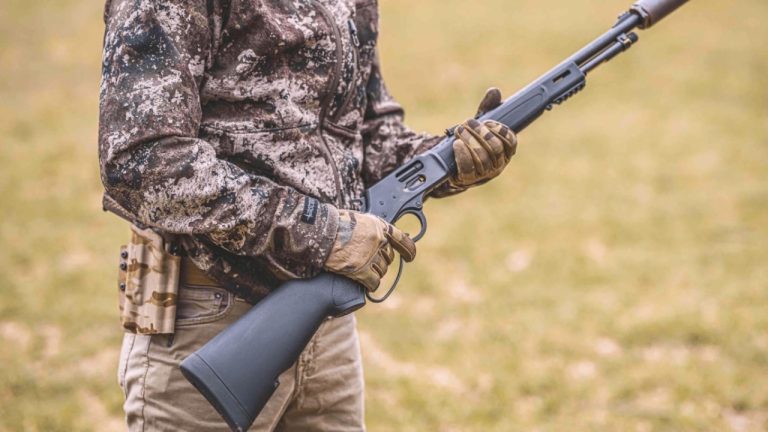
Durability is where loyalty often becomes emotional. A rifle that shrugs off rain, dust, and baggage handlers starts to feel less like gear and more like a partner. One practical guide to hunting rifles stated bluntly that a good rifle is durable and built from weather resistant components, highlighting polymer or carbon fiber stocks and corrosion resistant metalwork as key features. That emphasis reflects a shift away from delicate blued steel and walnut toward materials that can live in a truck or on an ATV without constant worry.
At the same time, some hunters still view rifles as more than tools. In one forum discussion, a user identified as WKR, who had joined Nov 21, 2015 and had posted 1,457 messages, tried to generalize personal thoughts into broader guesses about many shooters. The comment contrasted rifles as tools that simply allow tasks to be accomplished with rifles as companions that carry memories and stories. That distinction helps explain why a scratched up, slightly outdated bolt gun may get the nod over a newer, more advanced model. The older rifle has already proven that it can survive hard use and still function when needed.
Modern manufacturing also affects perceptions. One widely shared video argued that modern hunting rifles were once trusted as the most reliable tools in the field but that something has clearly gone wrong, pointing to malfunctions like broken magazines and jamming bolts. Whether or not every shooter agrees, repeated stories of parts failures and quality control issues make it harder for new models to earn unconditional loyalty. When a rifle runs without drama year after year, owners remember that reliability when they are tempted by the latest release.
Customer service, “lemons,” and how problems are handled
No manufacturer is immune to the occasional lemon. What happens after a problem appears can either destroy loyalty or deepen it. One trade focused analysis pointed out that time is money for gun shops when a defective rifle comes in. A shop can send a lemon back to the manufacturer, but the turnaround can be slow. The piece suggested that a resident gunsmith or a gunsmithing partner can transform a negative situation into a positive by fixing issues quickly and standing between the customer and the factory.
How hunters actually choose the rifles that stay
- They fit the shooter’s body and style, so mounting and firing feels natural in real hunting clothes.
- They maintain zero through travel and weather, with scopes and mounts that do not shift under recoil.
- They deliver consistent, not just occasional, accuracy at the distances the owner actually shoots.
- They handle the elements, from rain to dust, without rusting or loosening at critical moments.
- They are chambered in cartridges with reliable ammunition availability and a track record of performance.
- They come from manufacturers or gunsmiths who stand behind the product when something goes wrong.

Leo’s been tracking game and tuning gear since he could stand upright. He’s sharp, driven, and knows how to keep things running when conditions turn.