
Backyard problems most homeowners don’t notice until it’s too late
Backyards quietly collect problems that only become obvious when they start costing real money. Slow drainage, stressed trees, rotting wood and shifting soil often develop out of sight while families focus on mowing and outdoor decor. By the time the warning signs are impossible to ignore, repairs can reach well into five figures and even threaten a home’s structure.
Spotting these issues early is less about dramatic damage and more about learning to read subtle changes in water, wood, plants and concrete. With a sharper eye, homeowners can protect both property value and safety long before things reach a breaking point.
Drainage that quietly undermines everything
Water is the most common backyard problem and also the easiest to underestimate. A lawn that feels soft after storms, low spots that stay damp or thin strips of dead grass can all signal that water is not moving through the soil correctly. Guidance on yard drainage issues notes that when water lingers more than 24 hours after rain, the ground is likely saturated and the underlying grading or soil structure is failing.
Pooling water does more than create muddy footprints. Persistent puddles can drown turf roots, attract mosquitoes and slowly erode topsoil. As one set of clear drainage signs explains, soft or spongy ground, mulch that washes away and water that flows toward the house instead of away from it are all red flags that call for grading changes, French drains or upgraded downspout extensions before damage spreads.
Other specialists describe persistent puddles after and visible soil erosion as early signs that the yard’s water management has already started to fail. Left alone, that same water can work its way into crawl spaces, crack patios and set the stage for foundation movement.
Gutters, downspouts and the path to foundation trouble
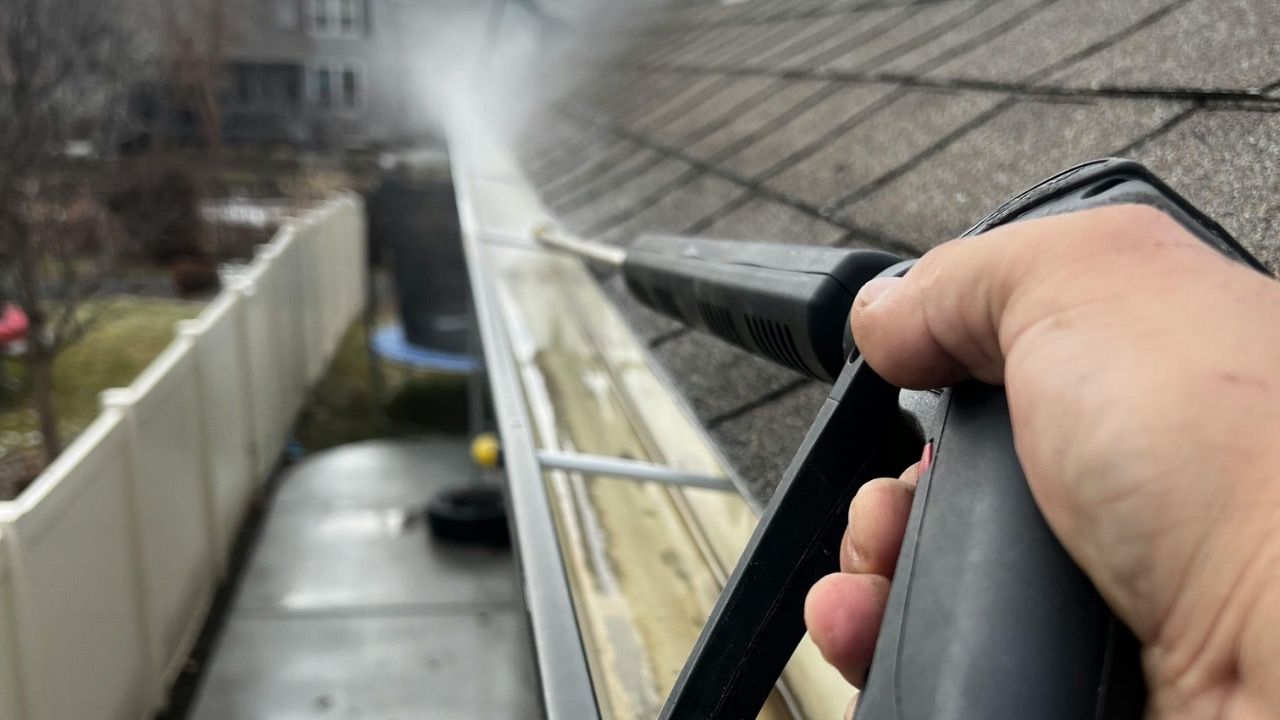
Many backyard headaches start at the roofline. When gutters fill with leaves and shingle grit, water spills over the edge and drops directly beside the foundation. One overview of neglecting gutter cleaning stresses that clogged troughs can lead to fascia rot, ice problems and, most expensively, foundation damage as water saturates the soil along the house.
Exterior maintenance experts list gutter cleanings as one of the top five recurring tasks that keep exteriors sound, since gutters are designed to channel rainwater away from the structure. When that system fails, the signs often appear first in the backyard in the form of washed-out mulch beds, sinking pavers and damp basement walls.
Inspectors who focus on critical signs of point to sticking doors, diagonal cracks and gaps between walls and trim as indicators that the ground beneath a home is moving. Poor drainage and roof runoff that empties too close to the house are frequent contributors, which makes regular gutter cleaning and proper downspout extensions some of the highest value chores a homeowner can schedule.
Tree roots, hidden decay and “mulch volcanoes”
Mature trees are often the pride of a backyard, yet they can also hide serious hazards. Arborists warn that bark falling off, cankers on the trunk and leaves that look unusually small or unusually large can all indicate stress or internal decay. A series of expert alerts on tree problems explains that severe weather can turn a weakened tree into a direct threat to nearby roofs, fences and play areas.
Separate guidance on tree trouble lists dead branches, significant trunk cavities and mushrooms at the base as reasons to call a professional before a failure occurs. Homeowners often focus on foliage and miss what is happening at ground level, where roots can invade drain lines, heave patios or destabilize retaining walls.
Some of the damage comes from well meaning but misguided care. A viral warning about mulch around trunks explains that only are mulch a waste of money, they also trap moisture against the bark and encourage rot. Tree care specialists echo that excessive mulch placed directly against the trunk can cause bark decay and attract pests, which eventually weakens the entire tree.
Invasive plants, soil problems and risky species choices
Backyards often hide plant problems that only show up when a project starts. A guide to hidden problems in highlights “Drainage That Disrupts Everything,” “Tree Roots in the Wrong Places,” “Invasive Plants and Hidden Growth” and “Soil Problems That” interfere with new fences, sheds and decks. Homeowners often discover buried stumps, aggressive vines or compacted subsoil only after they start digging for a patio or footing.
Soil health itself is easy to ignore until plants underperform. One analysis of what homeowners overlook stresses “The Hidden Impact of Soil Health,” noting that poor structure and nutrient imbalance can leave beds vulnerable to erosion and disease. Without a structured maintenance plan, key tasks like aeration and topdressing are often delayed or skipped.
Species selection can create its own long term headaches. A viral cautionary tale about ornamental trees points out that photos presented an aesthetically beautiful landscape, Bradford pear trees bring structural weakness, environmental concerns and an unpleasant smell when in bloom. Fast growing options like the Fast Growing Trees listing “The Fastest Growing Quality Evergreen Why Thuja Green” can be attractive, but root spread, mature height and storm performance all need to be weighed against nearby structures.
Decks, fences and outbuildings that rot from beneath
Wooden features in the backyard rarely fail overnight. Moisture slowly raises the grain, creates pockets for mold and eventually leads to soft spots underfoot. Washing experts describe how decks and fences exposed to constant dampness develop moisture, mold and wood rot, which makes boards cup, split or feel spongy.
Log structures face similar risks. Specialists in rustic construction warn that water damage and are a predictable pairing because wood is porous and naturally absorbs moisture, which can lead to mold, rot and structural damage if not properly protected and maintained. Sheds and playhouses that sit directly on soil instead of on a prepared base are especially vulnerable.
Construction choices often set these problems in motion. An analysis of why backyard structures fail notes that structural design flaws such as inadequate bracing, poor site preparation and the wrong fasteners lead to premature deterioration. When fences, sheds and decks are built without proper footings or moisture control, rot and movement can appear within a few seasons.
Hardscape stains, hairline cracks and other quiet signals
Not all backyard trouble looks dramatic at first glance. A review of overlooked maintenance tasks highlights how “The Slow Build” on siding and “Walkway and Driveway Discol” are easy to ignore until stains and algae become permanent. That same analysis notes that walkway and driveway often signals moisture problems, poor drainage or organic growth that can make surfaces slippery.
Concrete patios and paths also offer early clues about soil movement. Small, stair step cracks along mortar joints, pavers that tilt slightly or gaps opening between slabs and the house can all hint at shifting ground. Over time, those shifts may trace back to the same issues already described: clogged gutters, uncontrolled downspouts or saturated soil near the foundation.
Even backyard clutter can hide risk. Guides to hidden yard problems point out that fences, sheds and decks often mask grading mistakes or erosion. When a structure starts to lean, doors stop closing smoothly or posts pull away from their bases, the underlying soil conditions deserve as much attention as the hardware.
Turning a blind spot into a maintenance plan
Professionals who work with homeowners every day argue that the biggest problem is not a specific defect but the lack of a consistent routine. One overview of outdoor chores notes that without a structured plan, important jobs are delayed or missed entirely, which allows small issues to compound into expensive repairs.
Some homeowners turn to local services for help with recurring tasks such as gutter cleaning or seasonal power washing, while others build a checklist around the warning signs described above. A short monthly walk through the yard that looks for standing water, stressed trees, soft wood and new cracks can catch most of the hidden trouble long before it reaches the point of no return.

Leo’s been tracking game and tuning gear since he could stand upright. He’s sharp, driven, and knows how to keep things running when conditions turn.