16 states where coyote populations are growing fastest
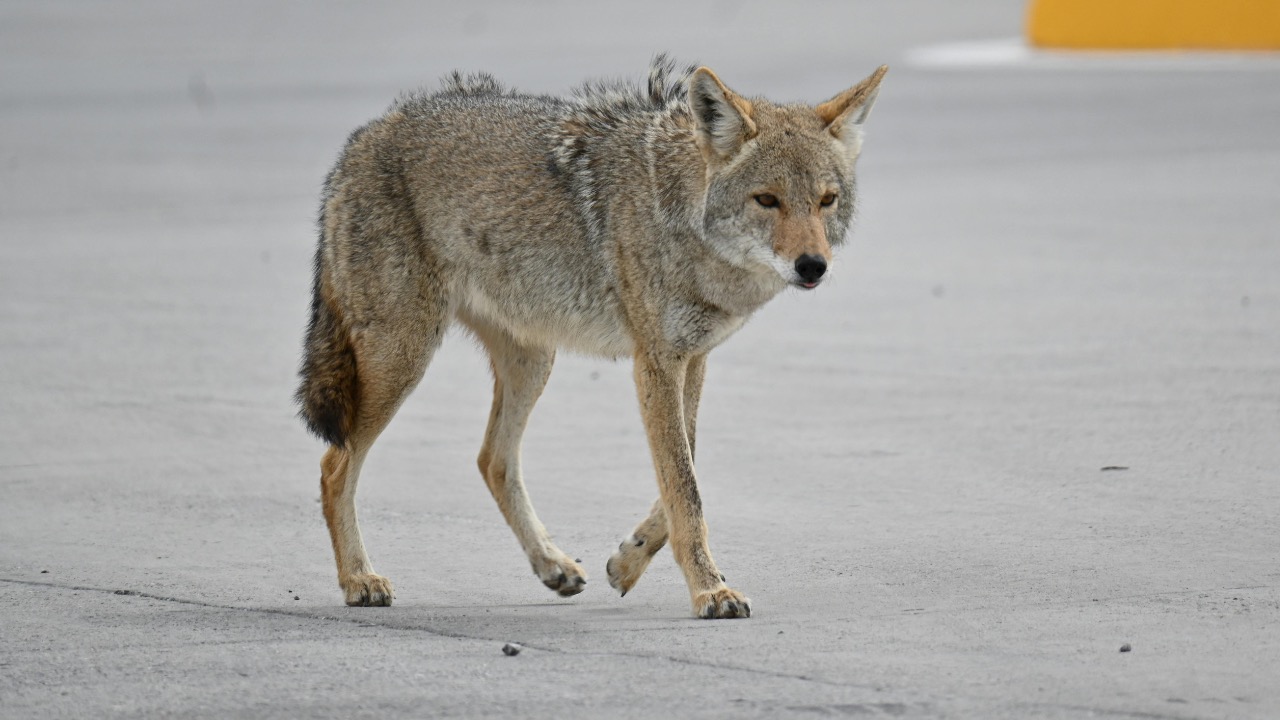
Coyotes are no longer a Western story. They have pushed hard into the Southeast and Mid‑Atlantic, and researchers say their numbers are climbing fast enough that “trying to curb coyote populations may be a lost cause.” I am focusing on 16 states that sit in the path of this expansion, using new work out of Georgia as the benchmark for how quickly coyotes can rebound when people try to knock them back.
1. Georgia
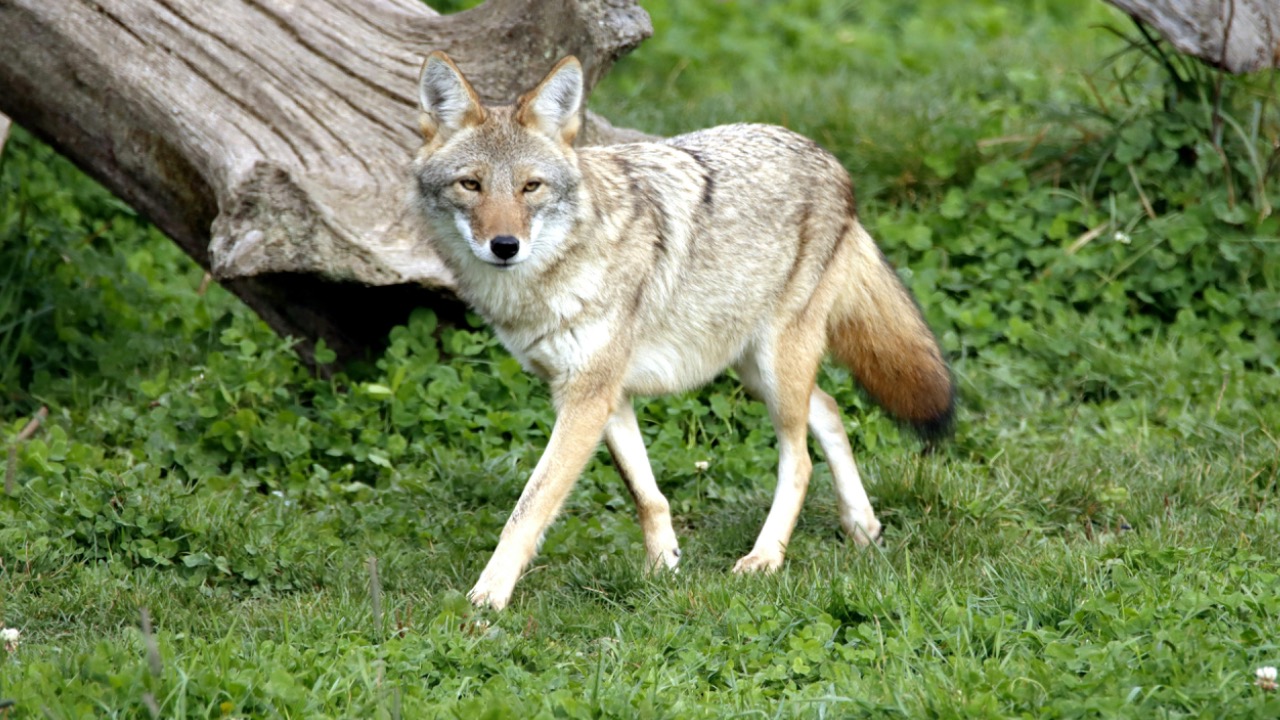
Georgia is the clearest example of how quickly coyotes can surge. A study highlighted by the Warnell School found that when trappers removed large numbers of animals, the local population rebounded quickly instead of collapsing. Researchers tracking Coyote numbers described growth that outpaced control efforts, which is why they warned that Coyote populations are growing, and fast, across the state’s patchwork of farms, pine stands, and suburbs.
For hunters, livestock owners, and deer managers, the takeaway is blunt: routine killing alone will not hold coyotes at some comfortable baseline. The animals respond with higher pup survival and rapid recolonization, so Georgia landowners are learning they need better carcass disposal, tighter calving seasons, and smarter trapping strategies if they want to protect fawns, goats, and backyard pets.
2. Alabama
Alabama sits right beside Georgia, and the same expansion front that transformed Georgia is pressing across the Chattahoochee. When researchers in Georgia concluded that Coyote numbers were climbing so fast that population control barely made a dent, they were describing a regional dynamic that does not stop at the state line. Forest cuts, poultry farms, and sprawling suburbs in eastern Alabama create nearly identical habitat to what fueled the surge next door.
That means landowners in places like Phenix City and Opelika should expect the same pattern Georgia documented: heavy trapping followed by quick rebounds and fresh immigrants filling the gaps. The stakes are obvious for anyone raising calves or running bird dogs, because a predator that can replace itself this quickly will be a constant factor in fawn recruitment and small‑game hunting pressure.
3. Florida
Florida has quietly become a stronghold for Eastern coyotes, and the Georgia research helps explain why they are so hard to slow down. When a population can bounce back rapidly after removals, as documented in Georgia, it fits perfectly with what hunters and trappers see from the Panhandle to central Florida: new howls on properties that were heavily called and trapped the season before.
Urban growth around Orlando, Tampa, and Jacksonville gives coyotes a steady buffet of garbage, rodents, and outdoor pet food, while cattle country in the interior offers calves and afterbirth in spring. Because the Georgia work shows that lethal control alone does not keep numbers down, Florida ranchers and suburban neighborhoods are being pushed toward better fencing, tighter trash management, and more realistic expectations about long‑term coexistence.
4. South Carolina
South Carolina is where the rebound story was tested on the ground. A project discussed by the University of Georgia followed coyotes removed from large tracts in South Carolina and found that populations surged back, helped by immigrants slipping in from surrounding lands. That work is the backbone of the warning that trying to curb coyote populations may be a lost cause if managers rely only on killing adults.
For deer hunters in the Piedmont and Upstate, that helps explain stubbornly low fawn recruitment even after aggressive trapping campaigns. The research shows that unless fawning cover improves and carcass dumps are cleaned up, South Carolina will keep feeding a fast‑growing predator that thrives in pine plantations, cutovers, and the edges of small cattle operations.
5. North Carolina
North Carolina sits between the South Carolina study sites and the recovering wolf country of the Appalachians, so it is right in the middle of shifting predator dynamics. As coyotes spread out of South Carolina, they found similar timber rotations, hog farms, and suburban sprawl in the Piedmont, and the Georgia rebound data suggests they can replace losses quickly when people try to trap them down.
That matters along the coast, where managers are also watching red wolf recovery efforts. With coyotes expanding and bouncing back fast, biologists have to juggle hybridization concerns, fawn survival, and livestock depredation complaints, all while knowing that the basic growth engine documented in Georgia is operating on their side of the line too.
6. Virginia
Virginia’s mix of Shenandoah farms, Appalachian timber, and booming suburbs around Richmond and Northern Virginia gives coyotes everything they need. The Georgia work on rapid rebounds shows that once coyotes get a foothold in this kind of patchy landscape, they can absorb heavy hunting pressure and still grow, helped by constant immigration from neighboring states.
For cattle and sheep producers in the Valley, that means depredation problems are unlikely to vanish after a single trapping push. Deer hunters in the mountains are also seeing the same pattern Georgia documented, with localized fawn losses that do not ease much even when several trappers work a lease, because new coyotes keep sliding in from surrounding hollows.
7. Maryland
Maryland is a smaller state, but its coyote story is big. As populations in Virginia and Pennsylvania expand, Maryland becomes a corridor where the same fast‑rebounding predator documented in Georgia can move through suburbs, cornfields, and tidal marsh edges. The Georgia findings on quick recovery after removals suggest that even aggressive control around problem farms will not stop that flow for long.
That is important for poultry growers on the Eastern Shore and for park managers around Baltimore and Washington, D.C. Once coyotes establish family groups in these fragmented habitats, their ability to replace losses quickly means complaints about missing backyard chickens, outdoor cats, and fawns in county parks are likely to keep climbing.
8. New York
New York already has a well‑established Eastern coyote, but the growth pattern still mirrors what Georgia researchers described. When a predator can rebound quickly after removals, as shown in the Southeast, it helps explain why trapping and hunting in the Adirondacks and Catskills have not pushed coyotes back to earlier levels, even with strong participation from fur trappers and deer hunters.
At the same time, New York is part of the region where gray wolf populations are starting to reappear. That sets up an interesting predator mix, with wolves reclaiming some historic ground while coyotes, already primed for fast growth, continue to thrive in farm country, suburbs, and the edges of big timber.
9. Pennsylvania
Pennsylvania’s coyote boom has been obvious to deer hunters for years, and the Georgia rebound research gives a framework for why the animals are so persistent. When populations can surge back after heavy trapping, as documented in the Southeast, it lines up with what trappers in Pennsylvania report when they see fresh sign on properties that were hammered the winter before.
With a strong deer herd, abundant small game, and plenty of roadkill, Pennsylvania offers a buffet that supports fast‑growing predators. The implication is that game managers and landowners will need to think beyond annual contests and bounties, focusing instead on habitat that helps fawns escape and on better carcass management so they are not feeding a population that is already wired for rapid growth.
10. Ohio
Ohio sits in the middle of the eastern coyote wave, with agricultural counties and exurban sprawl that look a lot like the Georgia landscapes where fast rebounds were documented. When coyotes can replace losses quickly, as the Georgia work showed, it means that even high hunter participation during deer season will not keep numbers from trending upward over time.
For livestock owners, especially sheep and goat producers, that reality raises the stakes on guard animals, secure night pens, and coordinated trapping. Deer hunters and small‑game hunters are also feeling the pressure, because a predator that can grow this fast will keep leaning on fawn crops and rabbit populations unless habitat and hunting strategies adapt.
11. West Virginia
West Virginia’s steep hollows and reclaimed mine lands give coyotes plenty of cover, and the Georgia rebound findings suggest that once they are established in terrain like this, they are almost impossible to push back. Heavy hunting from deer camps may knock numbers down briefly, but fast reproduction and immigration from surrounding states refill the gaps.
That has real consequences for turkey and deer management in the state’s rugged public lands. As coyotes keep growing into new watersheds, biologists and hunters will have to lean harder on habitat work that improves nesting cover and fawning areas, because the basic growth engine that Georgia documented is working in these hills too.
12. Kentucky
Kentucky bridges the Southeast and Midwest, so it catches coyotes expanding out of Tennessee, Virginia, and Ohio. The Georgia research on rapid rebounds after removals shows that once coyotes are on the ground in a patchwork of cattle farms and timber, they can grow quickly even when trappers and callers stay busy all winter.
For bluegrass cattle operations and small sheep farms, that means depredation risk is not a short‑term problem. Deer and elk managers in eastern Kentucky also have to factor in a predator that can climb in numbers fast, especially in reclaimed mine country where open grass and young forest give coyotes easy travel routes and hunting lanes.
13. Tennessee
Tennessee shares long borders with Georgia and South Carolina, so it is directly tied to the landscapes where fast coyote rebounds were measured. When researchers concluded that trying to curb coyote populations may be a lost cause using lethal control alone, they were looking at the same kind of mixed farms, pine stands, and suburbs that stretch across much of Tennessee.
That is why hunters from Memphis to the Tri‑Cities are hearing more howls and seeing more trail‑camera photos. With deer, turkeys, and livestock all on the menu, a predator that can grow this quickly will stay part of the management picture, forcing landowners to combine targeted trapping with better calving practices and tighter control of attractants like dead stock.
14. Mississippi
Mississippi’s pine plantations, row crops, and cattle pastures mirror the Georgia landscapes where coyotes showed such strong rebound capacity. When a population can surge back after removals, as documented in the Southeast, it means that even aggressive night hunting and trapping will not permanently thin coyotes across the Delta or the hill country.
For landowners focused on deer and turkey, that raises the importance of habitat work that gives young animals better escape cover. Livestock producers also have to plan for a long‑term predator presence, using guard dogs, secure night pens, and better carcass disposal so they are not unintentionally feeding a population that is already primed for fast growth.
15. Louisiana
Louisiana adds swamps and marshes to the same basic mix of farms and pine country that fueled the Georgia surge. The rebound pattern documented there suggests that once coyotes lock into Louisiana’s fragmented ridges, levees, and fields, they can grow quickly even when hunters and trappers lean on them hard.
Rice and cattle operations, along with suburban growth around Baton Rouge and Shreveport, give coyotes a steady food base. That means managers looking to protect fawns, ground‑nesting birds, or newborn calves will need more than seasonal killing, focusing instead on calving schedules, secure night pastures, and reducing easy attractants around homes and camps.
16. Arkansas
Arkansas sits between the booming coyote country of Texas and the fast‑growing populations documented in Georgia and South Carolina, so it is squarely in the expansion zone. The same rebound traits measured in the Southeast help explain why coyotes have filled in across the Ozarks, Delta, and Ouachitas despite steady hunting pressure.
Researchers tied that resilience to the way Coyote populations respond when people try Trying to curb their numbers. Work from the University of Georgia and researcher Danielle Bunch shows that Coyote populations are growing, and fast, which is exactly what Arkansas hunters and livestock owners are now seeing on the ground.

Asher was raised in the woods and on the water, and it shows. He’s logged more hours behind a rifle and under a heavy pack than most men twice his age.