Hunters report noticeable shifts in deer movement patterns
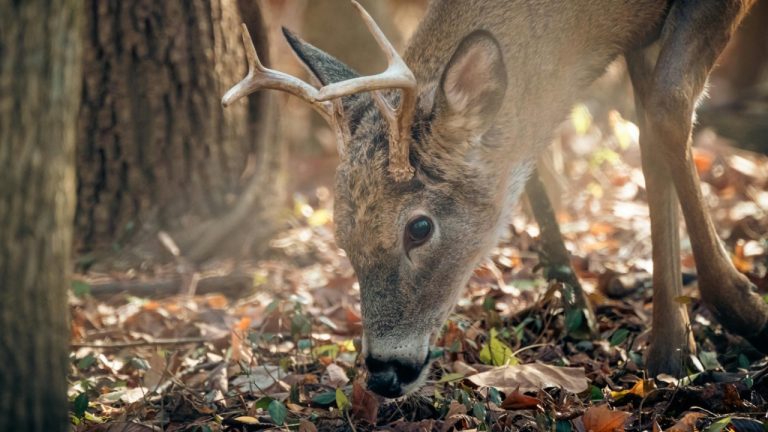
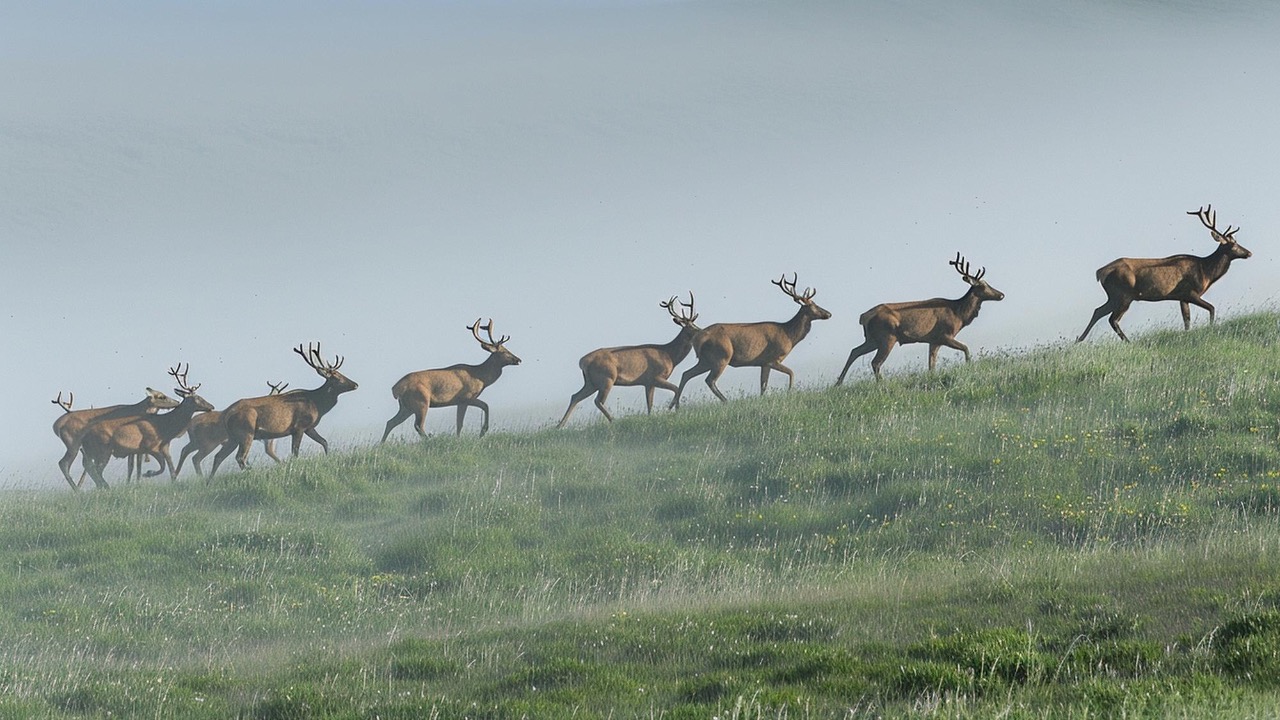
Across whitetail country, hunters are saying the same thing in camp and on social media: deer are not moving like they used to. Sightings are down in some areas, patterns feel less predictable, and the classic “rut window” seems to be shifting by a few crucial hours each day. I have heard it from veteran bowhunters, youth rifle hunters, and biologists who live inside GPS datasets, and the picture that emerges is a herd quietly adjusting to pressure, weather, and changing habitat in ways that matter a lot once you climb into a stand.
Those stories are now backed up by fresh collar research, state agency updates, and on‑the‑ground rut reports that track everything from acorn crops to wind shifts. Put together, they show that deer movement is still rooted in the same instincts, but the timing and visibility of that movement are changing. If you feel like the woods went cold on you this season, you are not imagining it.
Hunters notice fewer deer, and the data backs them up
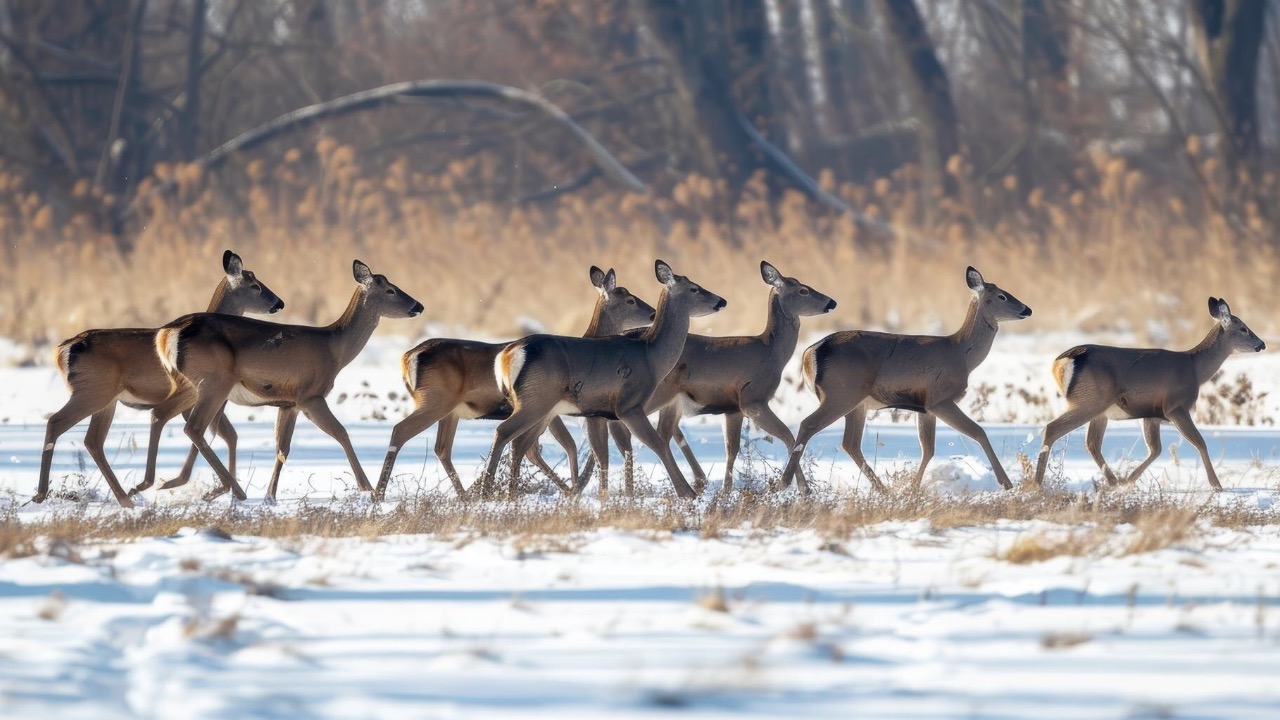
When I talk with serious whitetail hunters, the first complaint I hear is not about antler size, it is about empty sits. In several southern states, officials have acknowledged that many Hunters reported fewer deer sightings this season, and biologists pointed straight at warmer than normal temperatures as one of the main reasons deer stayed tucked in cover during daylight. That lines up with what I have seen on my own cameras: plenty of deer on their feet, but more of that movement crammed into the last sliver of legal light or well after dark when the air finally cools.
In Tennessee, the concern went beyond slow evenings to a measurable drop in success. Wildlife officials there documented that One of the most common explanations for a sharp drop in opening‑weekend harvest was a heavy mast crop that let deer feed close to thick cover instead of exposing themselves in fields. When you combine that kind of buffet with unseasonably warm afternoons, you get exactly what hunters have been grumbling about, plenty of deer on the landscape but far fewer walking past stands in shooting light.
Seasonal shifts are still driven by light, but the details are changing
At the core, whitetails are still ruled by daylight length, not the calendar on your wall. As one detailed breakdown of seasonal behavior explains, the photoperiod, or the length of daylight, is what really kicks rut hormones into gear and nudges deer from summer feeding patterns into fall travel routines. Another section of that same analysis notes that the Let change in daylight is the trigger that brings the rut into high gear, not a specific date we circle every year.
Where hunters are feeling the difference is in how deer express those seasonal instincts on a landscape that is warmer, more pressured, and in some places more fragmented than it was a decade ago. A broad overview of Factors That Influence points out that Seasonal Changes shape behavior from the spring all the way into late winter, but it also stresses that Deer respond to food availability, cover, and human disturbance at the same time. From the first acorns dropping to the last standing corn, those local conditions can bend the classic seasonal script just enough that a hunter who is still relying on old rules of thumb ends up watching empty trails.
Collars and GPS show how bucks really move in the rut
For years, hunters argued in camp about whether mature bucks really move more in daylight during the rut or if that was wishful thinking. Now we have hard numbers. In a recent project on peak rut behavior, researchers used The GPS collars to log a location on each buck every hour during a six‑week focus period, then broke that movement down by age and time of day. A follow‑up look at the same project explains that The GPS data showed clear spikes in travel tied to breeding, but it also confirmed that older bucks still do a lot of their roaming under the cover of darkness.
State agencies are seeing similar patterns on their own collared deer. In a recent Deer Movement Update, What Our Collared Deer Are Telling Us, biologists with the Kentucky Department of Fish and Wildlife described how their GPS data shows deer constantly balancing feeding, predator avoidance, and temperature regulation. Another post that expanded on that work noted that Researchers with the Kentucky Department of Fish and Wildlife are watching those collared deer adjust their daily routes as hunting pressure ramps up, which helps explain why a buck that seemed locked into a pattern in October can feel like a ghost by the second week of November.
Weather, wind, and the myth of the perfect cold front
Every camp has a guy who swears that nothing moves until the first big cold snap, but the research paints a more nuanced picture. A detailed analysis of so‑called “fair weather bucks” found that Throughout the research, bucks changed their daily movement patterns most in response to breeding activity, not every passing front. A follow‑up section on the same work notes that More movement did show up with certain drops in temperature during night hours, but it was not the magic switch many hunters imagine.
Wind is another piece of the puzzle that hunters are watching more closely. In a popular discussion thread, one bowhunter went back through trail camera photos and lined up mature buck daylight appearances with historical wind records, then asked if others were seeing similar shifts in buck movement during subtle wind changes. That conversation, captured in a Jul post, mirrors what I have seen in hill country, bucks using the wind like a shield as they stage just off fields. A later comment in that same thread pointed out that So I have been going back through those photos during subtle wind changes, and the pattern of movement an hour before shooting light is hard to ignore.
Food, mast crops, and why deer do not have to travel far
If you want to understand why deer are not crossing the same open ground they used to, follow the groceries. In Oklahoma, a rut update described Habitat Conditions as Great, with Plenty of Acorns in the bottomlands and acorns scattered along ridges, plus Plenty of moisture and some exceptionally antlered deer. When food is that widespread, deer can feed in short hops from one patch of cover to the next instead of making long, visible treks to a single destination field.
That same dynamic showed up in Tennessee, where officials said Dec brought one of the heaviest mast crops the state has seen in years. Another report on that same situation noted that One of the leading theories for the lower harvest was that deer simply did not need to travel far to feed, which meant fewer daylight crossings in front of stands that had produced for years. When acorns and browse are everywhere, the old “hunt the only food source in town” strategy falls apart.
Pressure, patterning, and deer that learn faster than we think
One of the biggest shifts I have seen in my own hunting lifetime is how quickly deer react to human pressure. A Mississippi State Extension publication on buck behavior notes that Deer can quickly change their movements in response to human activity, and then goes on to describe how adult bucks alter their routes and timing once they encounter hunters. That lines up with what many of us see on pressured public land, a flurry of daylight activity in the first few days of season, then a hard shift to nighttime travel and thicker cover.
There is also growing evidence that deer are not only reacting in the moment, they are learning our routines over time. In a South Dakota project titled TRACKING DEER, researchers collared adult males and females to see how their movement lined up with hunting pressure. A more detailed summary of that work explains that TRACKING DEER during the late season showed animals shifting away from heavily hunted access routes and adjusting their schedules to avoid peak hunter activity. In plain language, the deer were patterning the hunters as much as the other way around.
Regional rut reports show movement going nocturnal
On the ground, rut reporters are seeing the same trends play out in real time. In the Southeast, one early season update described how hot, dry weather pushed most activity into the dark, with Two new mature (4‑plus‑year‑old) bucks showing up on camera over the course of a week, while Younger bucks were sparring and occasionally cruising in daylight. A second look at that same report emphasized that Younger bucks were more visible, but the older age class largely waited for darkness to move between bedding and those scattered food sources.
Farther north, late‑season updates tell a story of deer sliding into winter patterns and shrinking their daylight footprint. One report from the Northeast noted that wind, snow and a waning rut had Deer easing into winter routines, even as a few late‑cycling does kept some bucks on their feet. A follow‑up from the same region explained that Funnels and pinch points near thick security cover were producing as bucks shifted to a more reclusive pattern, which is exactly what you would expect from animals that have been pressured for months.
Range shifts, the October lull, and deer that vanish overnight
Every serious trail‑cam junkie has lived through the heartbreak of losing a buck that was a regular all summer. A recent video on whitetail range changes opens with the line that Sep is when you know you have them on camera all summer long and then you lose track of them right around this time. The host goes on to explain that changing food sources, shifting bachelor groups, and rising pressure all push bucks to relocate their core areas as fall ramps up, which is why a property that felt loaded in August can feel empty by mid‑October.
That timing lines up with what many hunters call the October lull, a stretch when daylight sightings crater even though deer are still moving. A breakdown of that period notes that Each of four major factors, including food shifts, leaf drop, hunting pressure, and the pre‑rut, combine to alter deer behavior dramatically. When you stack those changes on top of the range shifts described in that The Whitetail Range Shift video, it is no surprise that hunters feel like deer have disappeared, even though GPS data shows they are still moving plenty, just on different lines and often under the cover of darkness.
Adapting tactics to a moving target
If deer are adjusting this quickly, hunters have to do the same. One practical guide to reading sign and cameras stresses that Jan is a good reminder that Deer patterns are not set in stone, and that hunters need to adjust to changing food, weather conditions, and location. Another section of that same resource drives home that Deer patterns are fluid enough that a stand that was hot last week can go cold overnight, which is why mobile setups and fresh sign matter more than ever.
At the same time, hunters need to understand the broader forces shaping movement. A detailed overview of Unfortunately sudden changes in atmospheric air density explains how pressure swings can trigger short bursts of visible activity, only for deer to vanish again when conditions stabilize. A separate breakdown of From the spring through late winter notes that Deer respond differently in each season, and that hunters who key in on Factors That Influence Deer Movement, from Seasonal Changes to human disturbance, will be better positioned to intercept those shifting travel routes.

Asher was raised in the woods and on the water, and it shows. He’s logged more hours behind a rifle and under a heavy pack than most men twice his age.