Your Hunting Season Is Changing Fast: New 2026-27 Rules in Texas, New York, Montana and More
You don’t always notice it right away, but your season rarely stays the same year to year. Dates slide a little. Tag numbers shift. A regulation you’ve followed for a decade suddenly reads different in the booklet. By the time fall rolls around, the rules you thought you knew can trip you up.
For the 2026–27 cycle, several states are making adjustments that matter on the ground. Some are small on paper but change how you plan a hunt. Others affect access, pressure, or what you can legally take. If you’re hunting across state lines—or even sticking close to home—you need to stay sharp. Here’s where things are moving.
Texas Is Tweaking Deer Management Zones and Tag Use
If you hunt in Texas, you’re used to county-by-county rules, but the state keeps refining how it manages deer across regions. For 2026–27, expect continued adjustments to season structures and tag use tied to herd density and habitat conditions.
That can mean changes in bag limits or how antlerless harvest is handled in certain counties. It doesn’t always grab headlines, but it affects how you plan your season. You may find a place you’ve hunted for years now has different timing or harvest flexibility. The smart move is to read the county listings closely before opening day, because assumptions from last season can cost you.
New York Is Expanding Opportunities While Tightening Some Rules
In New York, wildlife managers have been balancing opportunity with control, especially in high-density deer areas. Recent updates continue to open access in some zones while tightening regulations in others.
You might see expanded antlerless opportunities where deer numbers are high, paired with more specific rules on tagging and reporting. The state has also leaned into clearer definitions around legal implements and season overlaps. None of it is complicated if you read it ahead of time, but it’s easy to get crossed up if you rely on memory. Small wording changes can carry real consequences in the field.
Montana Is Adjusting Elk and Deer Structures to Manage Pressure
Out in Montana, pressure and herd distribution continue to drive regulation changes. The 2026–27 season builds on recent efforts to spread hunters out and better manage elk and mule deer numbers.
You may run into shifts in permit areas, updated quotas, or changes to shoulder seasons in certain regions. Those shoulder seasons, in particular, have been a tool to address localized overpopulation. For you, it means paying attention to where extended opportunities exist—and where they’ve been scaled back. The map might look familiar, but the details underneath it are moving.
Western States Are Refining Nonresident Tag Allocations
Across much of the West, nonresident hunters are seeing tighter structures around tag allocation. States are working to balance revenue with resident opportunity, and that tension shows up in draw odds and quotas.
If you travel to hunt, you’ll likely notice fewer tags in some units or changes in how they’re distributed. Preference point systems and bonus draws continue to evolve as well. It’s not one sweeping change—it’s a steady tightening. Planning ahead matters more than ever, especially if you’re trying to line up a hunt in a high-demand area.
Technology Rules Are Getting More Attention
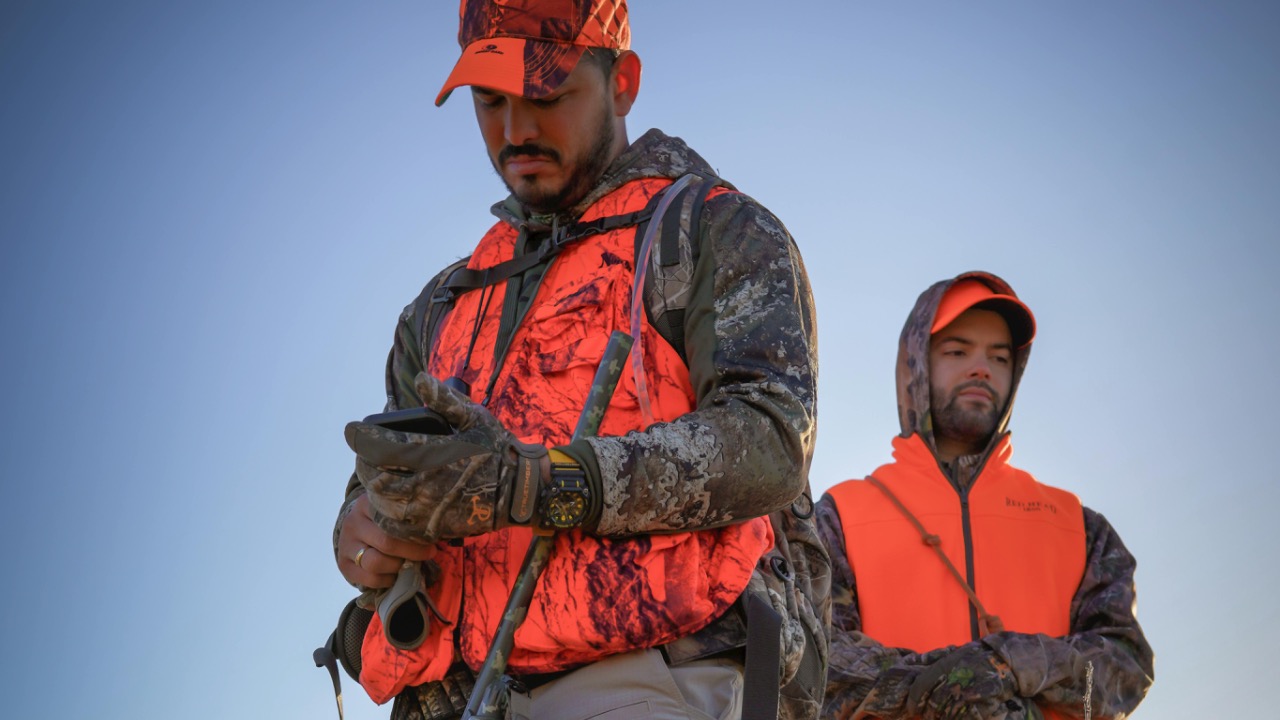
Game agencies are paying closer attention to how hunters use technology. That includes mapping apps, electronic communication, and in some cases, equipment tied to tracking or scouting.
You’re not seeing blanket bans, but you are seeing clearer language. Some states are defining what’s legal during a hunt versus what crosses the line into unfair advantage. That matters if you rely on digital tools in the field. The line is getting sharper, and it’s on you to know where it sits before you head out.
Chronic Wasting Disease Regulations Continue to Expand
CWD isn’t new, but the response to it keeps evolving. States are adjusting transport rules, testing requirements, and carcass handling guidelines to slow its spread.
That can affect how you move meat across county or state lines. In some areas, mandatory check stations or testing zones are expanding. It adds a step to your process, especially if you travel. Ignoring it isn’t an option, because enforcement has followed these changes closely. You need to know the rules before you load up and head home.
Waterfowl Seasons Are Shifting With Federal Frameworks
Duck and goose seasons still fall under federal frameworks, but states adjust within those windows. For 2026–27, expect minor shifts in timing and zone splits based on migration data.
Those changes might only move a few days, but they can affect when birds are actually in your area. If you hunt waterfowl, you already know timing is everything. Staying current with zone maps and split dates helps you line up your hunts with real movement, not last year’s calendar.
Reporting and Tagging Requirements Are Going Digital
More states are pushing hunters toward digital reporting and tagging systems. Paper tags aren’t gone everywhere, but mobile apps and online check-ins are becoming standard.
That changes how you handle a successful hunt in the field. You may need cell service, or at least a plan for reporting within a set window. It’s convenient when it works, but it also adds responsibility. Forgetting to report or misunderstanding the process can lead to fines. It’s worth setting it up before the season starts instead of figuring it out after the fact.
Regulations don’t usually change your hunt overnight, but they shape it more than you think. A date here, a tag there, a new rule on reporting—it all adds up. If you stay on top of it, you keep your season running smooth. If you don’t, the learning curve can get steep in a hurry.

Asher was raised in the woods and on the water, and it shows. He’s logged more hours behind a rifle and under a heavy pack than most men twice his age.