12 little-known facts about the Henry Big Boy lever-action rifle
If you’ve spent any time around lever guns, you already know the Henry Repeating Arms Big Boy has a way of pulling people in. Some notice the brass first. Others notice how the action feels when you run it. But once you’ve actually carried one in the woods, hunted with one, or burned through a few boxes at the range, you start picking up details that don’t show up in catalog copy.
The Big Boy isn’t built around one trick. It’s a rifle with a lot of small design choices, company history, and mechanical details that most owners never hear about unless they’ve spent time around lever guns. Here are some of the lesser-known things you should know about it.
It Was Henry’s First Centerfire Lever Gun
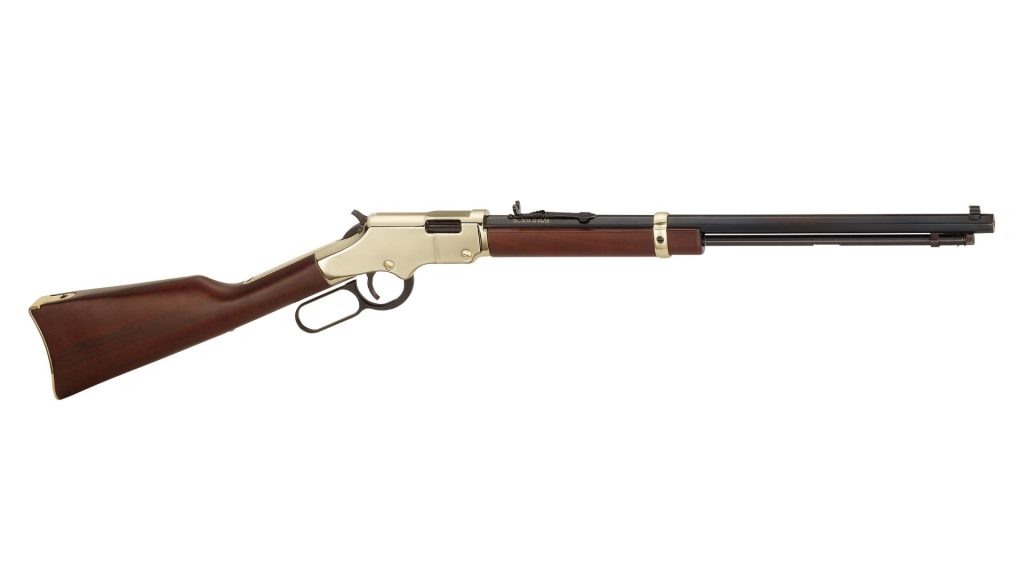
Before the Big Boy came along, Henry built most of its reputation on rimfire rifles. Models like the Golden Boy made the company familiar to shooters, but the jump into centerfire cartridges was a major shift for the brand.
When the Big Boy arrived in the late 2000s, it marked Henry’s first serious move into the centerfire lever-action market. That mattered, because it put the company in direct competition with established lever-gun names instead of staying in the rimfire lane. For a lot of shooters, the Big Boy was the rifle that proved Henry could build more than polished .22s.
The Receiver Looks Like Brass, Because It Actually Is
A lot of rifles use brass-colored coatings or cosmetic finishes to mimic old western guns. The Big Boy took a different route. Early models used an actual brass receiver, which gave the rifle real weight and a noticeably warm tone in sunlight.
That receiver became one of the rifle’s defining features. Pick one up, and it doesn’t feel hollow or lightweight. It has real heft. Over time, that brass also develops character depending on how you carry it, clean it, and store it. Two older Big Boys rarely age exactly the same.
It Originally Loaded Through the Magazine Tube
One thing that catches new owners off guard is that the Big Boy didn’t originally use a side loading gate. Instead, cartridges were loaded by pulling the inner magazine tube and dropping rounds in from the front.
That setup actually traces back to much older Henry rifle designs. Some shooters like it because unloading is quick and controlled. Others prefer a loading gate for topping off during hunting or field use. Either way, it made the Big Boy stand apart when it first hit the market.
Side-Gate Models Came Later
For years, people asked Henry for a side loading gate. The company eventually listened and began offering Big Boy variants with both systems built into the same rifle.
That means newer side-gate Big Boys can still be loaded through the removable magazine tube if you want. It’s a small detail, but it gives you flexibility. If you’re unloading at camp, switching ammo types, or clearing the rifle at the truck, that extra option becomes more useful than most people expect.
The Rifle Was Built Around Revolver Cartridges
Most Big Boy models are chambered in cartridges you’d normally associate with wheelguns—.357 Magnum, .44 Magnum, or .45 Colt. That wasn’t an accident.
Lever guns and revolvers have shared ammunition for more than a century, and Henry leaned into that tradition. If you already own a revolver in the same chambering, carrying one ammo type for both firearms can make range days or hunting trips easier. It also gives the rifle surprisingly manageable recoil for a centerfire lever gun.
The Octagon Barrel Isn’t Only There for Looks
A lot of shooters assume the octagon barrel is purely cosmetic. It definitely adds to the rifle’s old-school appearance, but there’s more going on than style.
That barrel adds weight out front, which can help steady the rifle during offhand shooting. It also changes how the rifle balances compared to a round-barrel carbine. Some shooters prefer the faster handling of a lighter gun, but plenty of Big Boy owners like how planted the octagon models feel when lining up a shot.
The Action Uses a Transfer Bar Safety System
Traditional lever guns often relied entirely on hammer position and careful handling. The Big Boy includes a transfer bar safety system built into the action.
That means the firing pin won’t be struck unless the trigger is deliberately pulled. You still handle it like any serious firearm, but the added mechanical safety is one reason many hunters and family shooters feel comfortable carrying it in the field.
It’s one of those features you don’t notice while shooting, but you appreciate knowing it’s there.
It’s Drilled and Tapped for Optics
A lot of shooters still picture lever guns wearing iron sights only. The Big Boy came ready for more flexibility.
Henry drilled and tapped the receiver so owners could mount optics if they wanted. That opened the door for low-power scopes, scout-style setups, and red dots depending on the model.
For aging eyes, that’s a major advantage. Plenty of shooters who thought their lever-gun days were behind them found they could keep hunting comfortably with modern glass on a rifle that still feels traditional.
Some Big Boy Chamberings Are Surprisingly Uncommon
Most people know the .357 and .44 versions, but Henry also offered the Big Boy in less common chamberings over the years.
One example is .327 Federal Magnum, a cartridge that doesn’t get nearly as much attention as the bigger magnums. It offers lighter recoil, flat shooting, and respectable field performance in the right hands.
Because fewer manufacturers built lever guns in that chambering, the Big Boy became one of the more interesting choices for shooters looking for something different.
It’s Heavier Than Many Competing Lever Guns
The first time you shoulder a Big Boy, the weight usually stands out. Some of that comes from the brass receiver. Some comes from the octagon barrel.
That extra mass changes how the rifle behaves. Recoil tends to feel smoother, and the rifle stays settled during strings of fire. The tradeoff, of course, is carrying it over rough ground all day.
For range use or stand hunting, many shooters love the balance. For mountain hunting, some look for lighter alternatives.
Henry Designed It to Be American-Made
Henry has made a point of keeping production in the United States, and the Big Boy became one of the rifles most closely tied to that message.
For some buyers, that’s a deciding factor. For others, it’s simply part of the rifle’s identity. Either way, the Big Boy helped build Henry’s reputation as more than a nostalgia brand.
When you handle one, you can see that the company wanted the rifle to feel traditional while still fitting modern expectations.
It Helped Push Lever Guns Back Into the Spotlight
Lever guns never truly disappeared, but there was a stretch where they weren’t getting much mainstream attention outside hunting circles.
The Big Boy arrived at the right time. It gave shooters something that looked classic, shot modern ammunition, and offered the kind of fit and finish people wanted to show off.
A lot of younger shooters got their first real interest in lever actions after handling a Big Boy. In that sense, the rifle didn’t only build Henry’s reputation—it helped bring a whole category back into regular conversation.

Asher was raised in the woods and on the water, and it shows. He’s logged more hours behind a rifle and under a heavy pack than most men twice his age.