13 firearms that owners later regret selling once their true value is realised
Some guns leave your safe with no drama at all. You sell one to fund another project, cover a bill, or make room for something newer. Then a few years pass, and you start seeing auction prices, hearing range stories, or watching old models disappear from shop racks. That’s when the regret usually hits.
The hard truth is that value in firearms rarely comes down to age alone. Production numbers matter. Import bans matter. Military contracts matter. So does reputation. A gun that sat unnoticed in your cabinet for years can suddenly become the one everybody wants, and by then it’s often too late to buy back at anything close to what you sold it for.
These are the firearms owners talk about years later—the ones that seemed replaceable until they weren’t.
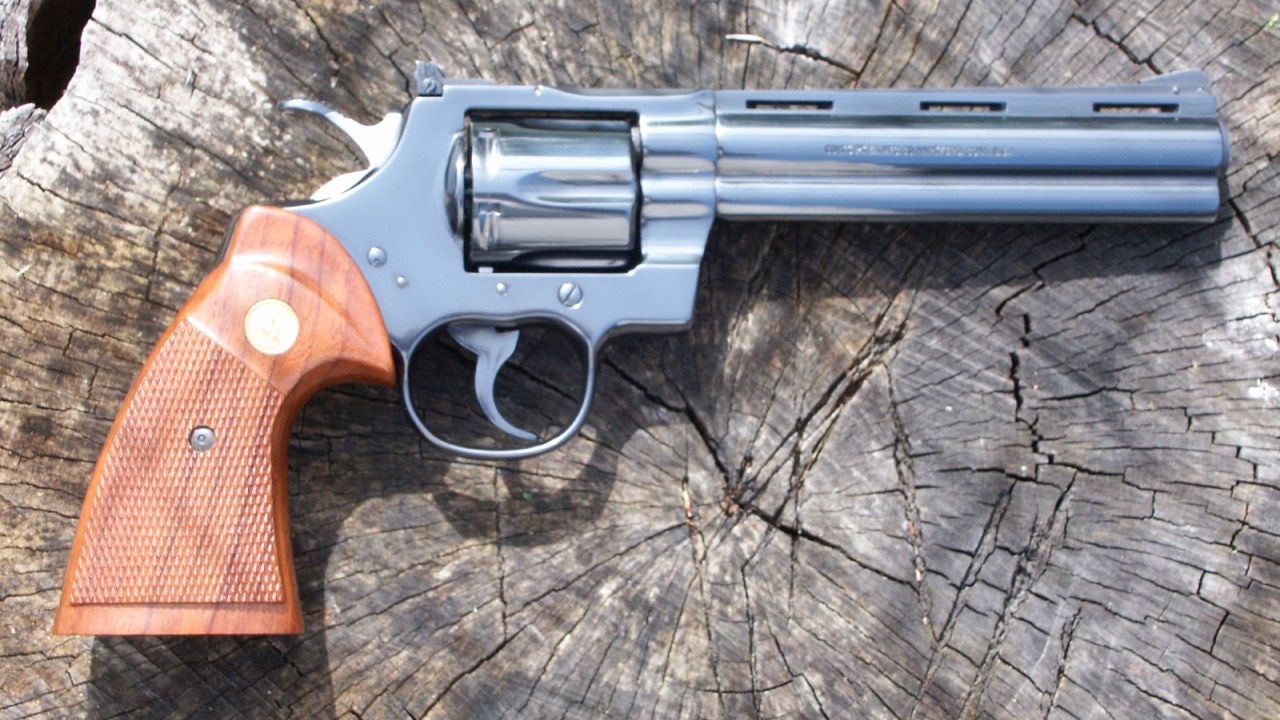
Colt Python
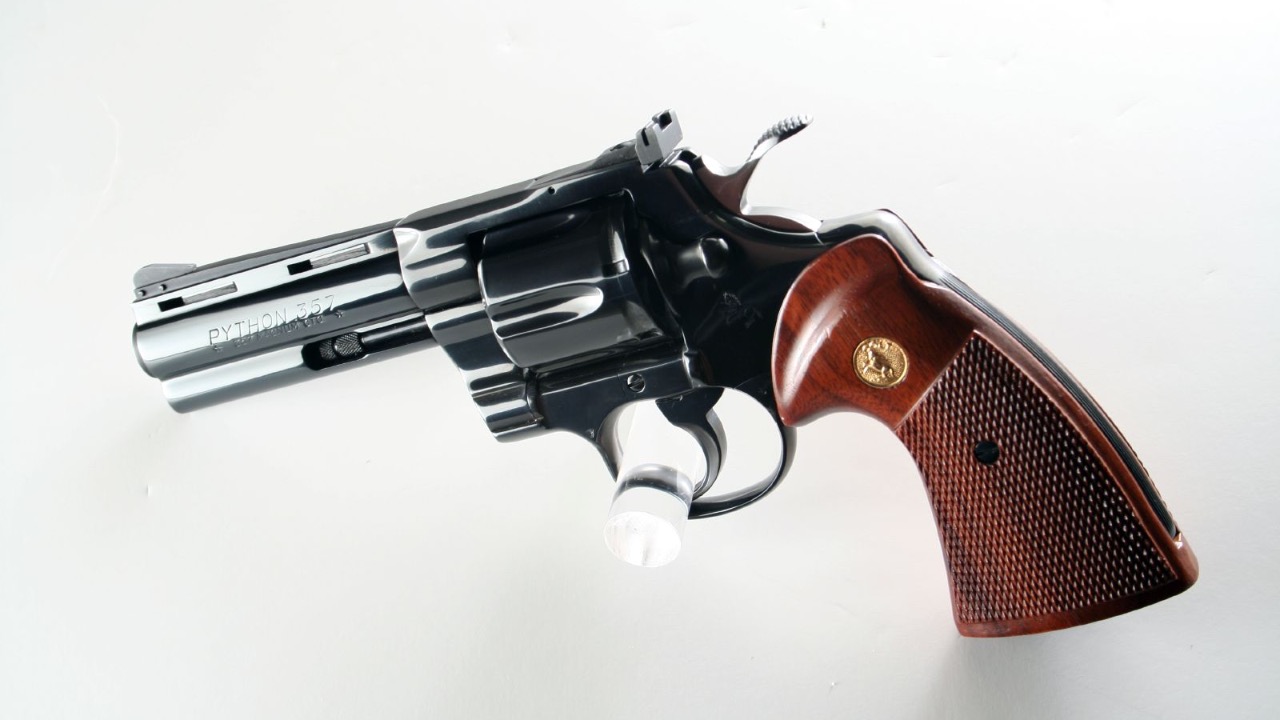
There was a time when a lot of shooters treated the Colt Python like an expensive revolver that could always be found later. Many owners sold them to fund hunting rifles, custom 1911 builds, or the newest carry gun. Back then, prices felt high, but not unreachable.
Years later, that decision started to sting. Older Pythons built before Colt shut down original production developed a following that drove prices hard. The polished blue finish, hand-fitted action, and tight lockup gave these revolvers a reputation that newer production guns couldn’t fully replace. Once you let one go, buying it back often costs far more than expected.
Pre-64 Winchester Model 70
The pre-1964 Winchester Model 70 has humbled plenty of hunters who thought they could always find another one. For years, these rifles changed hands at fair prices, especially in working calibers that showed honest field wear.
Then collectors and serious riflemen started paying closer attention. Controlled-round feed, old-school machining, and the feel of walnut and steel gave these rifles lasting respect. When production changed in 1964, many shooters didn’t realize how much the earlier rifles would matter. A lot of men sold theirs thinking they were moving on to something better. Many spent the next decade trying to track one down again.
Smith & Wesson Model 19
The Smith & Wesson Model 19 spent years riding in holsters, truck consoles, and hunting camps across the country. Because so many were used hard, owners often assumed they’d never become hard to replace.
That changed when clean examples started drying up. Designed with help from lawman Bill Jordan, the Model 19 carried well and pointed naturally. It had the balance many shooters still compare every revolver against. When departments moved toward semiautos, countless Model 19s hit the market. Many sold cheap. Today, pinned and recessed examples in good condition are watched closely, and the owners who sold theirs usually remember the exact day it happened.
Browning Hi-Power
The Browning Hi-Power sat in gun cases for decades without much attention from the average buyer. Many owners moved them along because they wanted higher capacity, polymer frames, or optics-ready slides.
Then production ended, and people started remembering what made the pistol matter. Designed by John Browning and completed by Dieudonné Saive, the Hi-Power served military and police forces around the world. Its grip shape still feels right in your hand, and the all-steel construction carries a feel modern pistols rarely match. Once factory production stopped, prices climbed steadily. Plenty of shooters who sold theirs now keep an eye on every auction listing.
Ruger Old Army
The Ruger Old Army wasn’t always seen as something worth holding onto. For years, black powder shooters bought them, used them, and sometimes traded them off when interests shifted toward cartridge guns.
Then people realized Ruger had built one of the strongest percussion revolvers ever offered to the public. Fit, durability, and shooting consistency helped it stand apart from many imported replicas. When Ruger stopped making them, supply dried up faster than expected. Shooters who once viewed them as niche range pieces suddenly saw collectors chasing clean examples. Many who sold theirs thinking they’d buy another later found out later had become expensive.
Norinco MAK-90
The MAK-90 entered the country during a period when imported rifles were still widely available. Many owners bought them because they were affordable, reliable, and built to run under rough conditions.
Then import restrictions changed the market. The rifles already here stayed here, and the supply never grew again. Machined receivers, chrome-lined barrels, and the reputation of Chinese AK production gave these rifles far more staying power than some buyers expected. A lot of owners sold them when AR prices dropped or when they wanted something newer. Years later, many realized those old MAK-90s weren’t nearly as easy to replace as they once thought.
Belgian FN FAL
There was a period when FN FAL rifles and parts kits were easier to find than many people remember. Owners often sold them to fund lighter rifles, optics upgrades, or newer calibers built around cheaper ammunition.
Then the market changed. Original Belgian rifles, especially matching examples, became harder to locate. The FAL earned its place as one of the defining battle rifles of the twentieth century, and collectors never forgot it. The balance, recoil impulse, and history all helped push values upward. Men who once thought of them as heavy surplus rifles started seeing prices that felt unreal. By then, the rifle they sold was already somebody else’s pride.
Colt Woodsman
The Colt Woodsman spent decades as a trail pistol, tackle box gun, or camp companion. Because it was chambered in .22 Long Rifle, some owners treated it like a utility gun rather than something worth protecting.
That thinking changed once people started paying attention to craftsmanship. The Woodsman had clean lines, excellent triggers, and accuracy that still surprises shooters who pick one up today. Colt stopped production long ago, and clean examples slowly disappeared into private collections. Owners who sold them for a few hundred dollars often feel that mistake years later. The gun itself didn’t change. What changed was how many people finally noticed what it always was.
HK P7
The HK P7 confused plenty of shooters when it first appeared. The squeeze-cocking system felt unusual, magazines were expensive, and some buyers moved them quickly because other carry guns seemed easier to live with.
Then the market started appreciating what Heckler & Koch had built. The pistol was accurate, slim, and engineered with a level of detail that made it stand apart. Police trade-ins gave buyers one last chance at reasonable prices, but that window closed fast. Once those imports dried up, values climbed hard. Owners who sold a P7 for practical reasons often admit they’ve never really found another pistol that feels the same.
Marlin 1895 JM-Stamped Rifles
A lot of lever-gun owners sold older Marlin 1895 rifles when prices still looked ordinary. Many figured another .45-70 would always be available when they wanted one back.
Then manufacturing changes created a clear line in the market. Rifles stamped with the old JM mark started gaining attention because of fit, machining, and consistency. Hunters who spent time in bear country already trusted them, and that reputation carried forward. Once demand for lever guns exploded, clean older Marlins became harder to find. Men who sold theirs during slower years often watch listings now and wonder why they ever let that rifle leave.
SIG Sauer P210
The SIG P210 never fit the average service pistol market, and because of that, many owners sold them without thinking much about long-term value. They were accurate, beautifully made, and often more expensive than their competition.
Years later, the pistol built its own following among shooters who cared about precision. Swiss-made examples especially began climbing as imports became harder to find. The trigger, slide fit, and mechanical consistency kept drawing attention from serious pistol shooters. Owners who moved them during lean years often thought they’d circle back someday. Then prices doubled, and sometimes kept going. That’s when regret usually settles in.
Original Colt Single Action Army
Few revolvers carry as much history as the Colt Single Action Army, but plenty of working examples once traded hands for prices that now seem almost impossible to believe.
Many owners sold them because they viewed them as collectibles rather than shooters, and money tied up in a safe queen can be tempting. Then the market kept climbing. Original finish, matching numbers, and early production dates all started carrying serious weight. Even examples with honest wear began attracting strong interest. Once those revolvers enter established collections, they often stay there. Men who sold one decades ago usually remember the serial number long after they’ve forgotten what they spent the money on.
Springfield M1A Pre-Ban Models
The Springfield M1A built a loyal following among shooters who wanted M14 styling with civilian ownership. For years, early rifles changed hands without much concern about future value.
Then buyers began separating older rifles from later production runs. Pre-ban examples with the right parts, markings, and configuration started bringing stronger prices. The connection to American military history helped, but so did the way these rifles shot and handled. Owners who sold them to chase lighter carbines often believed they could pick up another one later. Many learned later that the rifle they sold had features the current market now values much more than expected.

Asher was raised in the woods and on the water, and it shows. He’s logged more hours behind a rifle and under a heavy pack than most men twice his age.