These 13 Islands Are Completely Off-Limits to Humans — Here’s Why
Some islands around the world are completely closed off to the public, and it’s not just for dramatic effect. These places are restricted for reasons that usually come down to safety, preservation, or strict government control. While they might look like normal tropical or coastal islands from a distance, stepping onto them is either illegal or highly dangerous.
In most cases, access is blocked because human contact would either destroy fragile ecosystems or put visitors at serious risk. From disease concerns to active military zones, these islands are off-limits for very specific reasons that go far beyond simple tourism rules.
Sentinel Island (India)
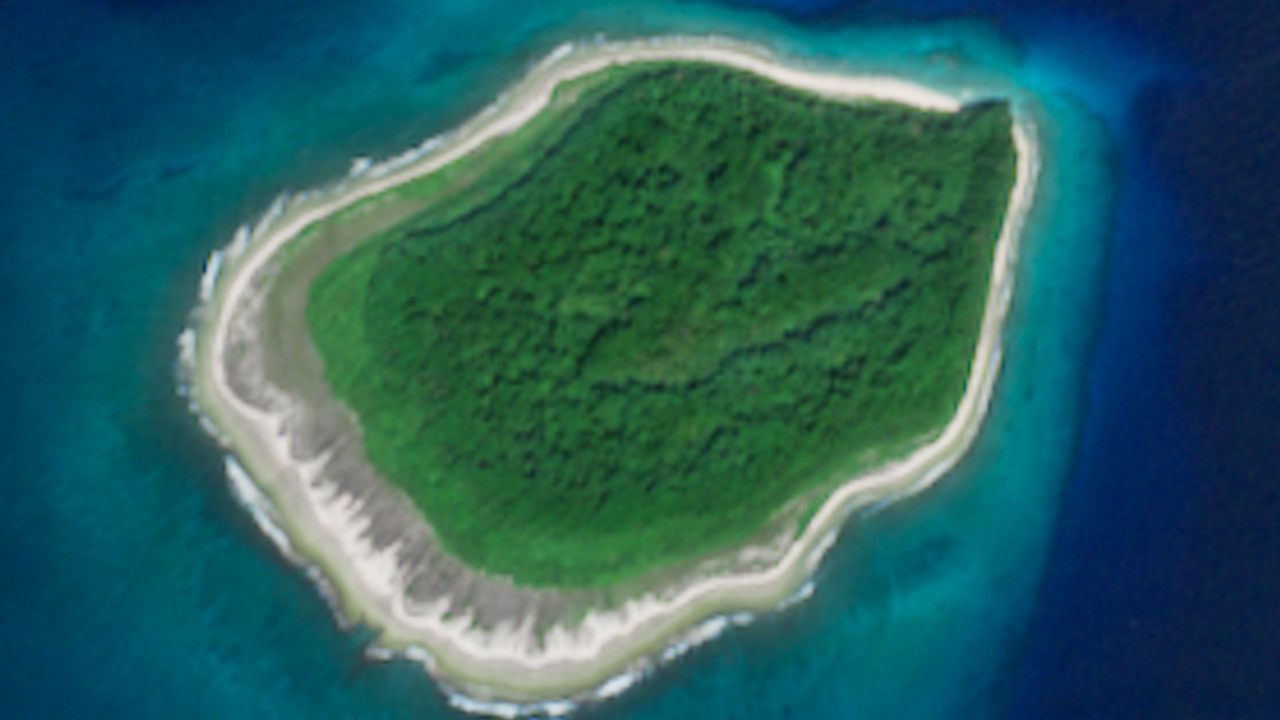
North Sentinel Island is one of the most well-known restricted islands in the world. It is home to the Sentinelese people, an Indigenous group that has remained isolated for thousands of years. The Indian government enforces a strict no-contact policy to protect both the tribe and outsiders.
Attempts to approach the island have historically ended in hostility, which is why it remains completely off-limits today. Authorities argue that outside contact could expose the Sentinelese to diseases they have no immunity against, making even well-meaning visits potentially deadly.
North Brother Island (United States)
North Brother Island sits in New York City’s East River, but it is completely closed to the public. It was once used as a quarantine site for diseases like smallpox and later became a rehabilitation center for drug treatment programs before being abandoned.
Today, the island is restricted mainly because of unsafe, decaying structures and its protected status as a bird sanctuary. Even though it is close to one of the busiest cities in the world, entry is tightly controlled by local authorities.
Poveglia Island (Italy)
Poveglia Island in Italy has a dark history tied to quarantine camps during plague outbreaks. Over time, it developed a reputation for disease, mass graves, and later a mental hospital that was eventually shut down. These layers of history have turned it into one of Europe’s most infamous restricted sites.
The Italian government has kept it closed due to safety risks and structural decay. While there have been discussions about redevelopment, the island remains largely abandoned and inaccessible to the public.
Gruinard Island (Scotland)
Gruinard Island was used for biological weapons testing during World War II, specifically anthrax experiments. Because of contamination concerns, it was declared unsafe for decades and effectively quarantined from the rest of the country.
Although cleanup efforts in the late 20th century reduced the risk, the island still carries strict restrictions. It remains uninhabited, and access is controlled to prevent any potential health hazards from lingering contamination.
Ilha da Queimada Grande (Brazil)
Also known as Snake Island, Ilha da Queimada Grande is home to one of the highest concentrations of venomous snakes in the world. The golden lancehead viper, found only on this island, makes stepping on land extremely dangerous.
Because of the risk to human life and the need to protect the endangered species, the Brazilian government bans public entry. Only approved researchers are allowed to visit, and even they must take strict safety precautions.

Leo’s been tracking game and tuning gear since he could stand upright. He’s sharp, driven, and knows how to keep things running when conditions turn.