13 U.S. cities where coyotes are starting to outnumber cats
Across much of urban America, the nighttime soundtrack has shifted from meows to yips. As coyotes push deeper into cities and suburbs, residents in some neighborhoods now report seeing more wild canids than free-roaming cats. The change is reshaping backyard ecology, pet safety and the way city dwellers think about wildlife on their doorsteps.
How coyotes became the new city predator
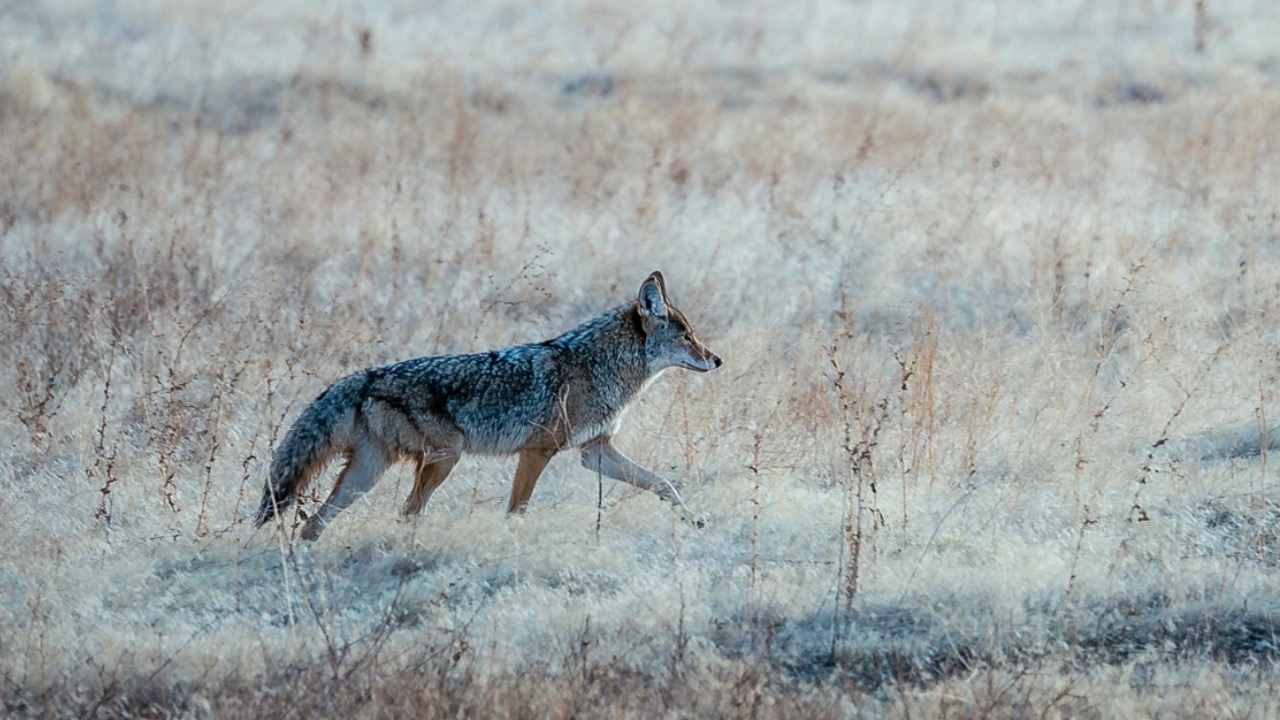
Coyotes, or Canis latrans, have expanded their range to 49 states and become practically ubiquitous in North American cities. Researchers describe them as habitat generalists that can live on rodents, fruit, garbage and even outdoor pets. As urban sprawl pushes into former open space, encounters with native carnivores such as coyotes have increased, a trend highlighted in the United States and discussion from animal welfare advocates.
Studies of urban coyotes show that they use city greenbelts, drainage corridors and park systems as travel routes, then step into residential streets at night to hunt. One camera-trap project across six states found that areas with coyotes had sharply reduced cat activity, while coyote-free zones had 300 times more cat detections. The pattern suggests that where coyotes become established, outdoor cats either die, retreat indoors or simply stop using those spaces.
What the science says about coyotes and cats
Researchers tracking scat and GPS collars have documented how often urban coyotes prey on domestic animals. A study in Thousand Oaks, California, described in a National Park Service, used two different techniques to analyze coyote diets and found that garbage, ornamental fruit and domestic cats all appeared in their samples. In some neighborhoods, cats were a significant part of the menu.
Biologists also point out that outdoor cats themselves are major predators of birds and small mammals. A social media post from But framed outdoor cats as one of the biggest threats to native wildlife and argued that fewer free-roaming felines might benefit native rodents and songbirds. Ecologists studying coyotes in cities have echoed that tension: coyotes can protect some native species by suppressing cats and rats, yet they also create real risks for pets.
Los Angeles, California: ground zero for coyote conflict
In Los Angeles, coyotes have become a routine sight from the Hollywood Hills to the San Fernando Valley. Earlier reporting on wildlife conflicts found that in Los Angeles there were 16 coyote attacks on humans in 2016, up from two in 2011, a sharp rise that reflects how comfortable the animals have become in dense neighborhoods. For small pets, the danger is even greater, with coyotes frequently targeting cats and small dogs left unattended in yards.
Media coverage in the region has grown increasingly intense. An analysis of In Los Angeles news framing found that in Los Angeles, where coyote conflict is long-running and political, coverage is the most unfriendly and focuses heavily on threats to pets and people. Residents in hillside neighborhoods now commonly report that they see more coyotes than free-roaming cats on evening walks, a reversal from a generation ago when outdoor cats were ubiquitous.
Research on coyote survival also suggests that these animals actually live longer in densely populated human areas. One scientist told Anecdotally that they see really high densities of coyotes in nature preserves and urban parks, and that in surrounding neighborhoods people may not see them at all. In Los Angeles, those preserves and parks sit next to residential blocks, which concentrates coyotes where cats once roamed freely.
Chicago, Illinois: the best-studied urban coyote population
Few cities have been studied as closely as Chicago, where biologists have tracked hundreds of coyotes with radio collars for decades. The long-running urban coyote research project has documented how family groups use rail corridors, riverbanks and golf courses as core territory, then venture into residential streets at night. Researchers have recorded coyotes denning in industrial sites and beneath highway ramps, often within sight of downtown.
In many of the neighborhoods that fringe the city’s expressways and forest preserves, residents now report that they rarely see stray cats, while coyote sightings have become routine. A second data snapshot for Chicago, Illinois confirms that the metropolitan area covers a broad patchwork of parks and suburbs that offer ideal coyote habitat. Scientists working there have found that coyote survival rates in the city can exceed those in rural areas, in part because hunting and trapping pressure is lower.
Diet studies from Chicago echo the Thousand Oaks findings. Coyotes eat mostly small mammals and fruit, but scat analysis still turns up domestic cats. Combined with camera-trap data that show far fewer cats where coyotes are present, the evidence suggests that in large parts of metropolitan Chicago, urban coyotes have effectively replaced free-roaming cats as the dominant mid-sized predator.
San Francisco and the Bay Area
On the West Coast, San Francisco offers another clear example. Coyotes have recolonized city parks such as Golden Gate Park and the Presidio, where they patrol trails used heavily by joggers and dog walkers. The surrounding region, captured in a second snapshot for San Francisco, includes a network of coastal bluffs and open space that lets coyotes move between the city and neighboring counties.
Local wildlife cameras in the Bay Area have recorded the same pattern seen in national studies: where coyotes patrol, cat detections plummet. Residents in hilly districts report that outdoor cats that once lounged on stoops now stay inside, either because owners have changed their habits or because coyotes have thinned the population. For many blocks near major parks, it is no longer unusual to see multiple coyotes in a week and no loose cats at all.
Denver, Colorado and the Mountain West
The Front Range around Denver has long been coyote country, but suburban growth has brought the animals into closer contact with people. A second profile of Denver, Colorado highlights a metropolitan area that sprawls along grassland and foothills, ideal habitat for rodents and rabbits that support coyote packs. As new subdivisions fill in those spaces, coyotes adapt by hunting along greenbelts and drainage ditches.
Residents along the city’s trail system frequently report seeing coyotes trotting along bike paths at dawn while cats are rarely visible. Wildlife officers in the region have warned that free-roaming cats are at high risk and urge owners to keep them indoors, echoing similar warnings from community groups elsewhere that tell people, in all caps, to MAKE THEM INDOORS.
New York City and the Northeast corridor
Coyotes have also reached New York City, with individuals documented in the Bronx, Queens and even Manhattan. One account described how From New York City, a daring coyote hopped onto a roof in Queens, a vivid example of how far into the urban core these animals now roam. A parallel search snapshot for New York City underscores just how dense and built-out that habitat is.
In parks along the Bronx River and in parts of Queens, residents have reported that stray and outdoor cats have almost vanished in recent years while coyote sightings have increased. Similar patterns are emerging in nearby Washington, D.C., where Researchers with the Smithsonian Conservation Biology Institute documented coyotes breeding in a Fairfax County park and found that the local animals share ancestry with the wolves of the Great Lakes. Those packs now patrol suburbs where cats once dominated backyard ecosystems.
St. Louis, Detroit and Boston
Midwestern and Northeastern cities that once had few large predators are now part of the same pattern. In St. Louis, coyotes move along the Mississippi River corridor and through a network of urban parks. A second profile of St. Louis, Missouri shows a metro region where those green spaces thread directly into residential blocks, bringing coyotes within a short trot of backyard bird feeders and outdoor pet bowls.
In Detroit, abandoned lots and rail lines provide cover for coyotes that now hunt rodents and stray cats among vacant houses. A second look at Detroit, Michigan highlights a patchwork of industrial and residential land that functions much like a wildland edge. Residents in some districts say they now see more coyotes than feral cats on nighttime streets.
Farther east, Boston has seen coyotes spread along the Charles River and through wooded suburbs. A second search profile for Boston, Massachusetts captures a metro area where coyotes can move from forested outer towns into city neighborhoods in a single night. Reports from local residents echo the Smithsonian camera-trap findings: where coyotes establish territories, outdoor cats become scarce.
Tucson and the desert cities
In the Southwest, heat and drought are driving coyotes into backyards in search of water. In Tucson, local coverage has warned that Triple digits are not the only thing Tucson summers bring. The hot, dry weather may bring coyotes into neighborhoods too, as they roam through yards seeking water wherever they can find it, according to Triple digit heat coverage.
A second snapshot for Tucson, Arizona shows a city ringed by desert and mountains, with washes and golf courses that serve as coyote corridors. Residents in foothill neighborhoods report that outdoor cats disappear quickly if allowed to roam. Wildlife officials in Arizona have urged people to remove outdoor food and water sources that might attract coyotes, a step that also discourages cats from lingering outside at night.
Why coyotes thrive where cats vanish
Several factors help explain why coyotes appear to be outnumbering cats in these cities. First, they reproduce efficiently and their populations can rebound quickly even if some individuals are removed. Second, urban infrastructure inadvertently favors them. Urban environments change the behavior of predator species, and coyotes in particular learn to use human food sources and to move confidently through the largest city in America.
Public attitudes are also shifting. Some conservation voices argue that coyotes are here to stay and that cities should learn to appreciate them from a distance. One analysis noted that Coyotes have become practically ubiquitous and can bring some benefits to cities by controlling rodents and other small animals. That argument resonates with bird advocates who see outdoor cats as a serious problem and who share viral posts that include hashtags such as #SaveTheBirds and #OutdoorCats.
Finally, coyotes often live longer in cities than in rural areas, which allows packs to stabilize and expand. As one researcher put it, people may only rarely see them, but camera traps and scat surveys reveal that they are abundant in urban parks and preserves. In those same spaces, the Smithsonian study that found 300 times more cat activity in coyote-free zones suggests that as coyotes settle in, cats either die or stay indoors.
Thirteen cities where coyotes now dominate the night
A viral social media post titled Apr highlighted 13 U.S. cities where coyotes reportedly now outnumber cats. While the post itself is not a peer-reviewed study, its list lines up closely with the places where scientific and community data show coyotes firmly established and outdoor cats in retreat. Those cities include:
- Los Angeles, California
- Chicago, Illinois
- San Francisco, California
- Denver, Colorado
- New York City, New York
- Washington, D.C.
- St. Louis, Missouri
- Detroit, Michigan
- Boston, Massachusetts
- Tucson, Arizona
- and several other large metro areas where coyotes have become permanent residents

Leo’s been tracking game and tuning gear since he could stand upright. He’s sharp, driven, and knows how to keep things running when conditions turn.