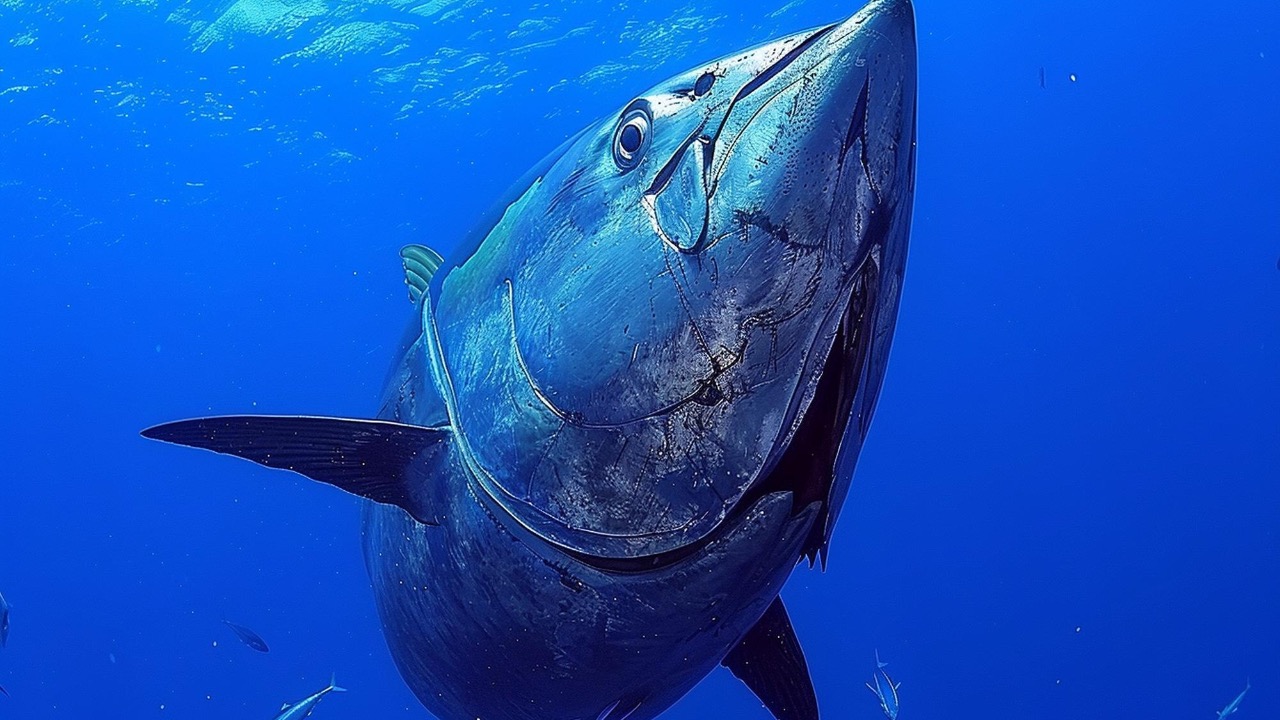
The largest tuna ever caught in U.S. waters
If you’ve spent any time offshore chasing pelagics, you already know tuna have a way of rewriting your expectations. They’re muscle wrapped in chrome, built for speed and distance, and when you hook a true giant, you feel it all the way down to your boots. In U.S. waters, a handful of fish have stretched scales to their limits and tested crews to exhaustion.
The biggest of them all still stands as a benchmark for what’s possible off our coasts. But the story doesn’t stop with one record. Different species, different oceans, and different eras have all produced tuna that changed how you think about size. Here are the heaviest confirmed tuna ever landed in U.S. waters, and what makes each one matter.
The 1,496-Pound Atlantic Bluefin Caught off Massachusetts
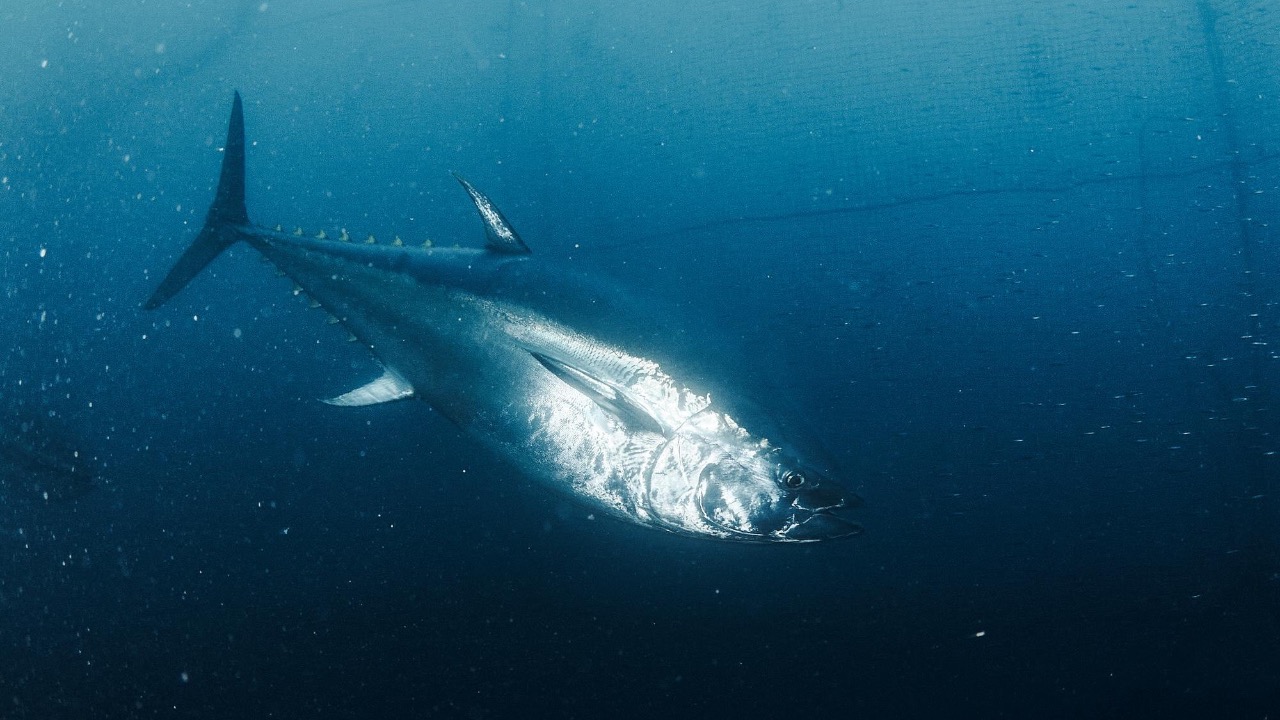
The heaviest tuna ever recorded in U.S. waters weighed 1,496 pounds. It was a giant Atlantic bluefin caught off Massachusetts in 1979 by commercial fisherman Ken Fraser. The fish measured over 13 feet long and required serious equipment and teamwork to land and secure.
That fish still stands as the all-tackle world record for Atlantic bluefin recognized by the International Game Fish Association. When you picture a tuna that can outweigh a small car, this is the benchmark. It wasn’t luck. It was being in the right water during the right migration window, with heavy commercial gear capable of handling a fish that size.
The 1,298-Pound Pacific Bluefin from Southern California
While Atlantic giants get much of the attention, Pacific bluefin in U.S. waters have produced staggering weights of their own. A 1,298-pound Pacific bluefin was landed off California, showing what the eastern Pacific fishery is capable of producing.
Pacific bluefin don’t always reach the extreme sizes seen in the Atlantic, but when conditions line up, they grow massive. These fish roam widely, crossing the Pacific multiple times during their lives. When you hook one over 1,000 pounds off the West Coast, you’re tied to a migratory athlete that may have traveled thousands of miles before it ever touched your bait.
The 907-Pound Yellowfin from Louisiana Waters
Yellowfin tuna don’t usually match bluefin for sheer mass, but in the Gulf they can still reach jaw-dropping proportions. A 907-pound yellowfin was taken in waters off Louisiana, setting the U.S. all-tackle mark for the species.
That fish stands as the U.S. record recognized by the International Game Fish Association. Gulf yellowfin benefit from warm water and abundant forage around offshore rigs and deepwater structure. When you hook one approaching 1,000 pounds, you’re in for a long fight. It’s a different kind of power than bluefin, more vertical and stubborn, and it proves that the Gulf can produce giants when everything aligns.
The 1,061-Pound Atlantic Bluefin from North Carolina
Another massive Atlantic bluefin tipped scales at 1,061 pounds off North Carolina. While it doesn’t eclipse the Massachusetts record, it shows that giant-class bluefin aren’t limited to New England waters.
The Outer Banks sit along a key migration corridor. When cold currents and bait converge, the area can hold true heavyweights. For you as an angler, it’s a reminder that timing matters as much as tackle. These fish follow food and temperature breaks, and when you intersect that path, you could be staring at a tuna that weighs more than half a ton.
The 808-Pound Bigeye from New Jersey
Bigeye tuna are known for their deep-running habits and large eyes adapted to low light. In 1982, an 808-pound bigeye was landed off New Jersey, setting a benchmark for the species in U.S. waters.
Bigeye don’t often get the same spotlight as bluefin, but pound for pound they’re brutal fighters. When you hook one pushing 800 pounds, it’s a drawn-out battle that tests drag systems and endurance. They spend much of their time deep, so bringing one to gaff requires steady pressure and patience. That New Jersey fish still stands as proof that the Mid-Atlantic can produce tuna that rival any offshore fishery.
The 574-Pound Albacore from Oregon
Albacore are typically associated with smaller sizes, especially compared to bluefin and bigeye. But in 2003, a 574-pound albacore was taken off Oregon, setting a remarkable U.S. record for the species.
Most albacore you encounter off the West Coast run far smaller, often under 50 pounds. A fish pushing past 500 is an extreme outlier. It shows the growth potential within the species when conditions are right. For West Coast anglers trolling offshore temperature breaks, that record fish stands as a reminder that even a species known for school-sized action can, on rare occasions, produce a true heavyweight.

Asher was raised in the woods and on the water, and it shows. He’s logged more hours behind a rifle and under a heavy pack than most men twice his age.