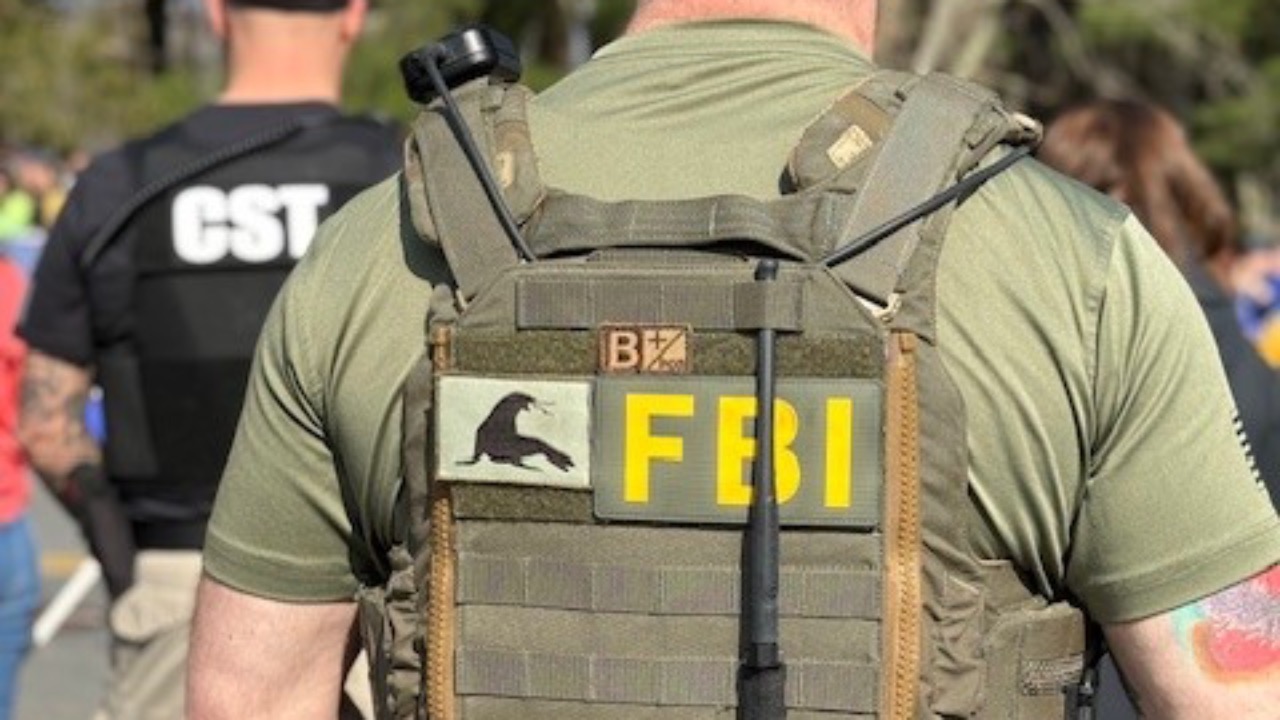
F.B.I. Arrests Suspected Leaker of Information on Downed Fighter Jet Over Iran
You’ve probably seen the headline by now—another leak, another arrest, and a story that reaches well beyond one person in handcuffs. When the Federal Bureau of Investigation steps in on a case tied to a downed fighter jet and sensitive military details, it’s not small-time stuff.
What matters here isn’t only who got arrested. It’s what was exposed, how it got out, and what it says about the way information moves today. If you’re paying attention, this kind of case tells you a lot about the pressure points inside the system.
The Arrest Centers on Classified Military Information
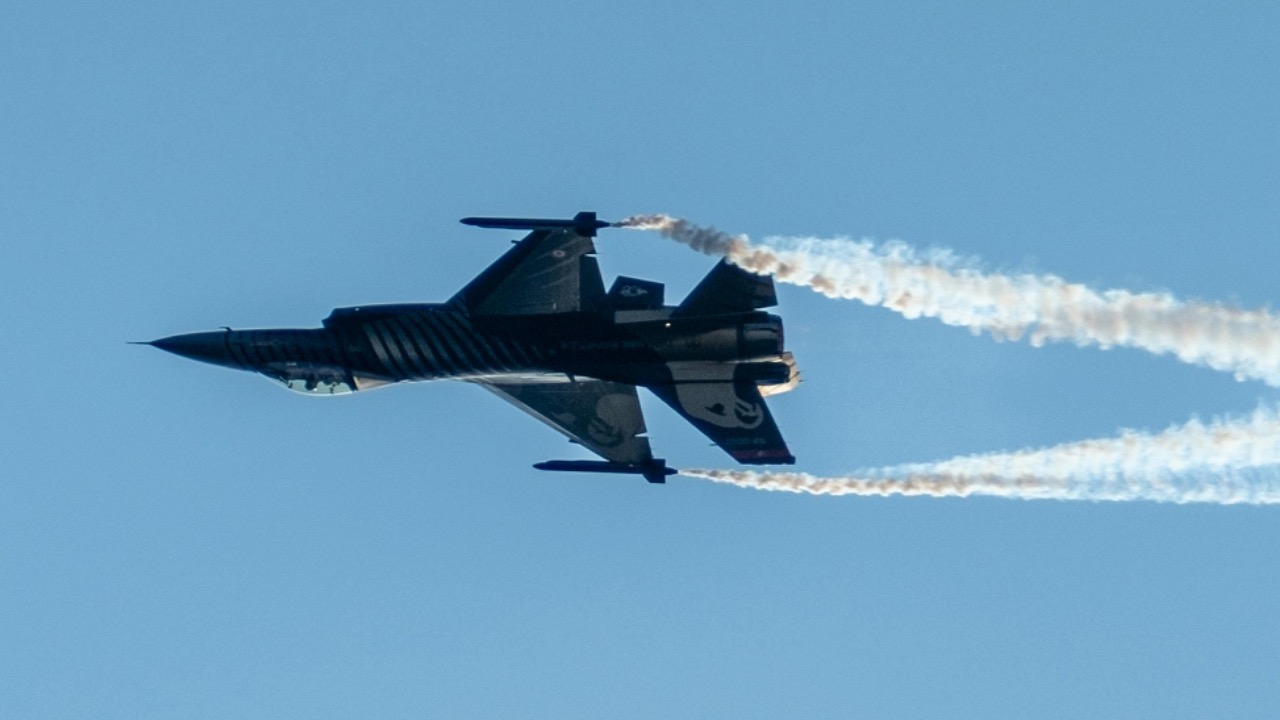
At the core of the case is a leak involving details tied to a U.S. fighter jet reportedly downed over Iran. The suspect is accused of sharing information that wasn’t meant to leave secure channels.
That kind of material doesn’t sit in open files. You’re talking about restricted data—operational details, possibly technical capabilities, maybe even response timelines. When something like that leaks, it doesn’t stay contained. It moves fast, and once it’s out, you can’t pull it back. That’s why cases like this draw immediate federal attention.
Investigators Followed a Digital Trail
Leaks today don’t happen the way they did decades ago. You’re not looking at paper copies passed hand to hand. It’s emails, encrypted messages, file transfers—things that leave a trail whether the person realizes it or not.
Investigators typically build these cases step by step. Access logs, timestamps, communication patterns—they all stack up. Even attempts to cover tracks often create more signals to follow. When the FBI makes an arrest in a case like this, it usually means they’ve already mapped out how the information moved and who handled it along the way.
The Downed Jet Raises Bigger Strategic Questions
A fighter jet going down in or near Iranian territory isn’t an isolated incident. It pulls in questions about surveillance, airspace boundaries, and military posture in a tense region.
Details tied to that event carry weight. They can reveal how missions are conducted, what went wrong, and how forces respond under pressure. If those details become public through a leak instead of official channels, it complicates things. Allies, adversaries, and analysts all start working off the same information, whether it’s complete or not.
Insider Access Is Still the Weak Point
For all the talk about cybersecurity, most leaks still trace back to someone with authorized access. That’s the hard truth. Systems can be locked down tight, but once a person inside decides to share information, the risk changes.
You’re dealing with trust at that point. Background checks, clearance levels, monitoring—they help, but they’re not foolproof. Every major leak case reinforces the same lesson: the biggest vulnerability isn’t always the system itself. It’s the person sitting at the keyboard.
The Legal Stakes Are High
Cases involving classified material don’t get treated lightly. Charges can fall under laws tied to national defense information, and penalties can be severe if a conviction sticks.
You’re not looking at a slap on the wrist. Prison time, fines, and a permanent mark on someone’s record are all on the table. Beyond that, there’s the broader impact. A case like this sends a message across agencies and contractors that mishandling sensitive information carries real consequences.
Public Information Moves Faster Than Official Statements
Once a leak hits, it doesn’t wait for a press briefing. Social media, foreign outlets, and independent analysts start picking it apart right away.
That creates a gap. Official sources move carefully, confirming details before releasing anything. Meanwhile, the public conversation is already underway. Some of it is accurate, some of it isn’t, but it all shapes perception. By the time a formal statement comes out, the story has already taken on a life of its own.
Cases Like This Don’t End With One Arrest
An arrest is a step, not the finish line. Investigators often keep digging to see if anyone else was involved or if the information traveled further than first believed.
You can expect follow-up—additional charges, more scrutiny on who had access, and internal reviews across agencies. These cases tend to ripple outward. Even if it started with one person, the response spreads wider as officials try to understand how the breach happened and how to prevent the next one.
When you step back, this isn’t only about a leak or a single suspect. It’s a look at how fragile control over sensitive information can be, even inside systems built to protect it. And once that line gets crossed, there’s no clean way to walk it back.

Asher was raised in the woods and on the water, and it shows. He’s logged more hours behind a rifle and under a heavy pack than most men twice his age.