Cartridges that hit harder than their recoil suggests
Rifle shooters talk endlessly about power, trajectory, and terminal performance, but the cartridges that quietly win seasons are often the ones that deliver more downrange authority than their recoil would suggest. Modern case design, efficient bullets, and smart load choices now let hunters and target shooters hit harder while staying behind rifles they can actually practice with. I focus here on cartridges that punch above their kick, drawing on recent reporting and long-running debates to separate reputation from real-world performance.
From classic .308-based rounds to newer 6.5 and 7 mm designs, the pattern is clear: smart engineering can turn modest recoil into serious reach and lethality. When I compare these options, I look at how they balance energy, trajectory, and shootability, then weigh that against what experienced hunters and competitive shooters are actually seeing in the field.
How “more punch than kick” really works
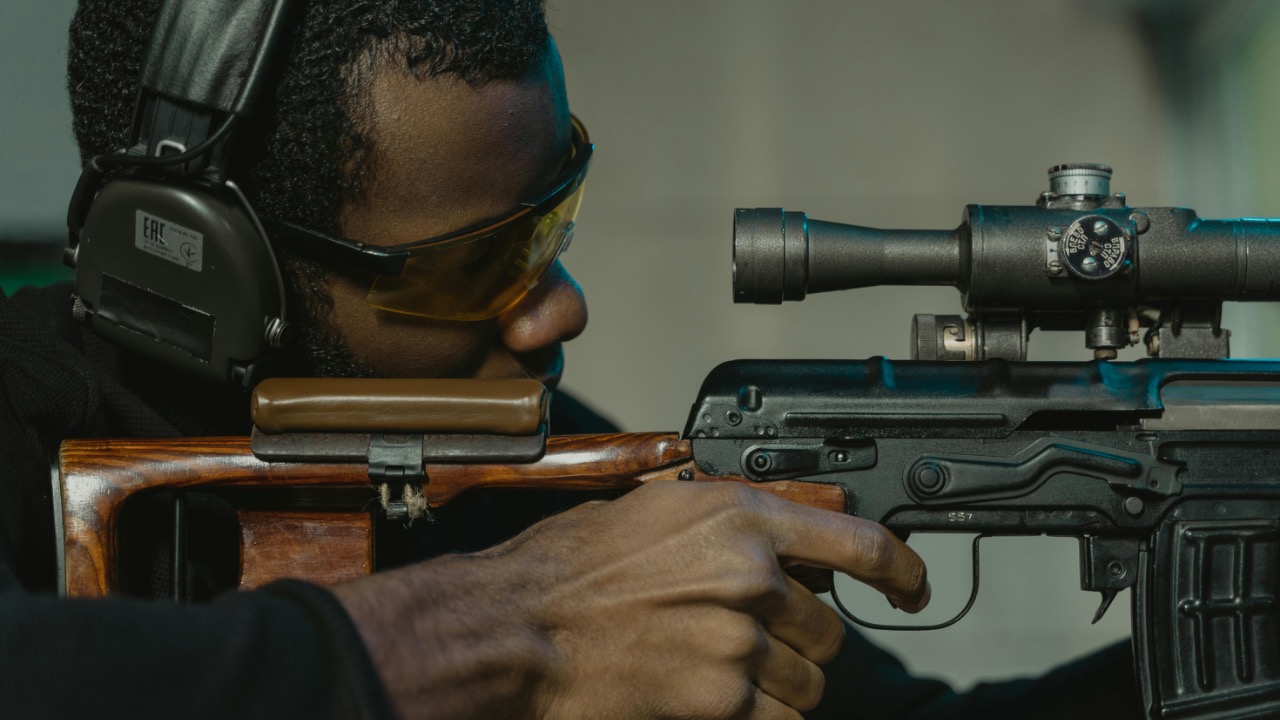
When I say a cartridge hits harder than its recoil suggests, I am talking about efficiency. The goal is to turn a given amount of powder and pressure into as much useful downrange performance as possible, without punishing the shooter on every trigger pull. That balance depends on case capacity, bullet weight, velocity, and how well the projectile holds its speed in flight. Modern long range rounds built around sleek bullets show how far this has come, with some 6.5 mm loads carrying energy like older .30 caliber standards while generating less recoil in similar rifle weights.
One clear example is the way high ballistic coefficient bullets let a relatively light projectile behave like a heavier one at distance. A detailed look at modern long range options notes that a 147-grain 6.5 Creedmoor Match load from Hornadycan shoot flatter than a traditional 308 load using a 168-grain Match bullet, while also carrying more energy at long range. That kind of performance from a 6.5 mm bore shows why so many shooters now look beyond raw bullet weight and start with external ballistics and recoil in the same conversation.
6.5 Creedmoor, from target darling to mild recoiling hammer
The 6.5 Creedmoor started life as a precision target round, built to keep recoil manageable so competitors could shoot accurately through long strings without fatigue. Designers focused on a case that would feed smoothly, burn powder efficiently, and launch long, slender bullets that stayed supersonic far downrange. Over time, hunters noticed that the same traits that made it a match winner also made it a forgiving field cartridge, especially for shooters who wanted to spot their own hits and misses through the scope.
In detailed long range testing, a 147-grain 6.5 Creedmoor Match load from Hornady has been shown to shoot flatter than a 308 load using a 168-grain Match bullet, while still carrying more energy at distance, a combination that explains why this Creedmoor Match recipe became so popular with both competitors and hunters who value reach without heavy recoil, as outlined in a focused analysis. In a separate breakdown of cartridges that challenge Creedmoor’s dominance, a Dec discussion of “better” 6.5 and 7 mm options still acknowledges that the original 6.5 formula was built so shooters could “shoot accurately” with a “darn good” balance of recoil and performance, a point that comes through clearly in a video breakdown of Creedmoor’s design goals.
.308 Winchester, the classic that still “runs lean and hits hard”
Among traditional .30 caliber hunting rounds, the 308 Winchester has long been the benchmark for getting a lot of work done without brutal recoil. Its shorter case and efficient powder column let it come close to the performance of the 30-06 in many field scenarios, while typically kicking a bit less in rifles of similar weight. That balance has kept it in deer camps and match ranges for generations, even as newer cartridges crowd the shelves.
One detailed discussion of mid caliber hunting rounds describes how the 308 “runs lean and hits hard,” nearly matching the 30-06 with less recoil, a point that has resonated with hunters who want a flatter shooting round that still fits in compact rifles, as highlighted in a post shared by Gregory Jones. In a separate comment on the same debate, another hunter notes that “Perfect for me is the 150 and 165 g grain in the 308 and 30-06 respective in the Winchester round,” emphasizing that with 150 and 165 g bullets the 308 delivers the terminal ballistics and pass through performance they want from a Winchester based hunting rifle, as described in a detailed Winchester discussion.
Low recoil deer rounds that still carry authority
For many hunters, especially newer shooters or those with shoulder issues, the search starts with cartridges that are explicitly billed as low recoil options. The surprise is how many of these lighter kicking rounds still deliver more than enough punch for deer sized game when paired with modern bullets. The key is matching impact velocity and construction to the target, rather than assuming only big .30 calibers can be ethical choices.
A detailed rundown of The Best Cartridges for Low Recoil Deer Rifles lists the 223 Remington, 224 Valkyrie, 243 Winchester, and 257 Roberts among the standouts, noting that each combines modest recoil with proven field performance on deer when used within sensible ranges, as laid out in a comprehensive overview. A second look at the same list reinforces how these 223, 224, 243, and 257 class rounds, from Remington, Valkyrie, Winchester, and Roberts lineages, give recoil sensitive shooters a menu of options that still meet ethical standards for deer when bullets and shot placement are chosen carefully, a point underscored in a follow up analysis of recoil sensitive choices.
7mm-08 Remington, the youth friendly elk round
Among mid caliber cartridges that quietly over deliver, the 7mm-08 Remington has built a reputation as a soft shooting round that still has the legs for elk and larger deer. Built by necking down the 308 case to 7 mm, it combines the efficiency of that parent design with high sectional density bullets that penetrate deeply without needing magnum velocities. In practical terms, that means a cartridge many youth hunters can handle that still gives guides confidence when the shot angle is less than perfect.
A focused look at elk hunting options for younger shooters singles out the 7mm-08 Remington as the best choice in that role, citing its blend of manageable recoil, flat trajectory, and reliable penetration on big bodied animals, a conclusion that reflects years of field experience with this Remington branded round, as detailed in a youth oriented guide. A second evaluation of elk cartridges for youth hunters again names the 7mm-08 Remington as the best option, reinforcing the idea that this 308 based case, when necked to 7 mm, offers a rare combination of shootability and authority that lets smaller framed shooters step into serious big game hunting, as emphasized in a follow up assessment.
.270 Winchester and the long running mid caliber argument
The .270 Winchester has been at the center of one of hunting’s longest running arguments, often compared head to head with the 30-06 and 308 in deer and elk camps. Its advocates point to flat trajectories and efficient 130 to 150 grain bullets that carry energy well without generating punishing recoil. Critics sometimes argue that modern 6.5 and 7 mm rounds have eclipsed it, but the cartridge’s staying power suggests that many shooters still find its balance hard to beat.
One social media debate framed as an argument that has “lasted longer than most hunting careers” pits 270 Winchester against its .30 caliber rivals, with one hunter explaining that “Perfect for me is the 150 and 165 g grain in the 308 and 30-06 respective in the Winchester round,” a comment that underscores how bullet weight choices in Winchester based cartridges shape both recoil and terminal ballistics, as captured in a detailed thread. A second look at that same discussion highlights how the 270 versus 30 caliber debate has become a kind of rite of passage for hunters, with the Winchester name and those 150 and 165 g bullet weights serving as shorthand for the tradeoffs between flatter shooting mid calibers and slightly heavier hitting .30s, as seen in a related discussion.
New challengers: 338 RPM and other modern experiments
While mid calibers dominate the conversation about efficient recoil, some newer large bore designs are trying to rewrite what is possible in bigger game cartridges. One example is the 338 RPM, a round that aims to deliver 338 class performance in a lighter rifle package, with a case and chambering tuned for modern actions. The idea is to give hunters magnum like authority without the traditional weight and recoil penalties that often come with older 338 designs.
In a Nov conversation about whether a newer cartridge is “better than the 30-06,” one shooter admits they have never fired the 338 RPM but still digs into what the designation means, joking that RPM stands for “revolutions per minute” as the bullet spins, before circling back to what the cartridge is supposed to solve, as seen in a detailed video segment. A broader look at that same discussion of whether this cartridge is better than the 30-06, featuring Tate talking through the 338 RPM concept, underscores how modern designers are trying to squeeze more performance into lighter rifles while keeping recoil in check, a trend that is explored further in a related discussion of RPM and recoil.
Creedmoor’s competition and the rise of “better” mild recoiling rounds
As successful as 6.5 Creedmoor has been, it has also inspired a wave of cartridges that try to do the same job slightly better, whether by adding a bit more velocity, tweaking case geometry, or shifting bullet diameter. The common thread is an attempt to keep recoil manageable while stretching effective range and improving terminal performance on game. That competition has sharpened the focus on what shooters really want from a “do it all” mild recoiling round.
In a Dec video that argues several cartridges are “better” than 6.5 Creedmoor, the host walks through how the original Creedmoor was built so shooters could “shoot accurately” with a “darn good formula,” then compares it to newer designs that promise more speed or energy without a big jump in kick, a contrast laid out in a detailed comparison. A broader look at that same discussion of Creedmoor’s competition reinforces how the search for “better” has less to do with abandoning 6.5 and more to do with fine tuning recoil and trajectory for specific roles, a nuance that comes through in the full Creedmoor discussion.
Choosing your own “hard hitter” with soft recoil
When I weigh all of this reporting and field experience, the pattern is clear. Cartridges like 6.5 Creedmoor, 308 Winchester, 7mm-08 Remington, and the low recoil 223, 224, 243, and 257 class rounds show that smart design and bullet choice can turn modest recoil into serious performance. The key is to be honest about the ranges and game you actually face, then pick a cartridge that lets you practice enough to place shots precisely, rather than chasing raw power you will never fully use.
Hunters and shooters who share their experiences, from Gregory Jones praising how the 308 “runs lean and hits hard” in a detailed commentary to those debating 270 Winchester bullet weights in long running threads, keep circling the same conclusion. The cartridges that truly “hit above their weight” are the ones that match recoil, trajectory, and terminal performance to the shooter behind the stock, turning every shot into a confident, controlled decision rather than a flinch inducing gamble.

Leo’s been tracking game and tuning gear since he could stand upright. He’s sharp, driven, and knows how to keep things running when conditions turn.