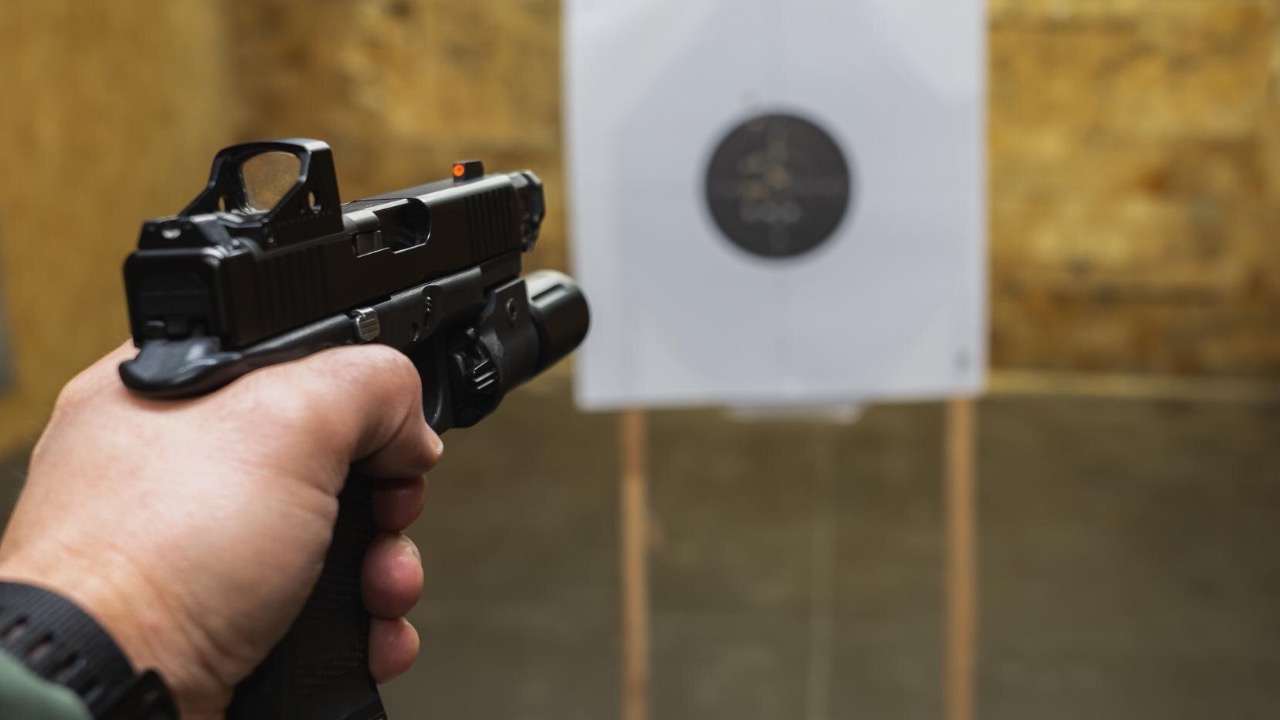
Handguns most shooters should experience owning at least once
Some handguns are so influential, so practical, or so instructive to shoot that they become milestones in a shooter’s life rather than just tools. Owning them, even briefly, teaches lessons about ergonomics, recoil, reliability, and design that no amount of reading can replace. The models below are not the only good pistols on the market, but they are the ones I consider almost mandatory experiences for anyone who wants a deeper understanding of handguns.
I focus on platforms that have shaped modern carry culture, military service, and civilian training, from classic steel single-actions to polymer workhorses. Each section looks at why a particular handgun matters, what it teaches, and how it fits into today’s mix of defensive and recreational shooting options.
The Glock 19 as the modern baseline
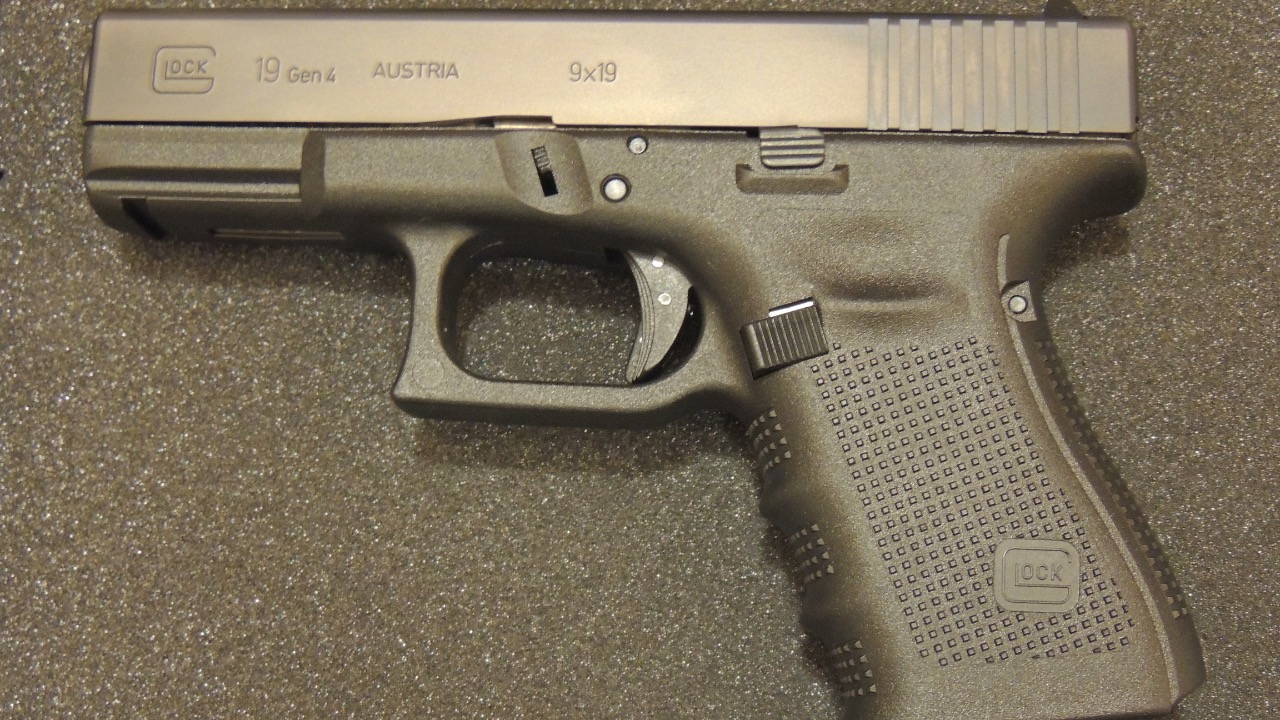
If there is a single handgun that defines the current era of practical shooting, it is the Glock 19. Compact enough to conceal yet large enough for duty use, it has become the default recommendation for a first serious defensive pistol. One detailed buying guide even labels the Glock 19 as “The Best Handgun” and pegs a typical street price at $500, underscoring how its blend of performance and affordability has made it a reference point for new buyers. For many shooters, learning to run a Glock 19 well is the foundation that later skills and preferences are built on.
The Glock 19’s ubiquity also makes it a practical “must-own” experience. Holsters, magazines, and spare parts are widely available, and its simple striker-fired mechanism is easy to maintain and understand. A separate concealed carry overview notes that it is no surprise the Glock 19 appears on short lists of top carry pistols, describing it as a “do everything” handgun with deep aftermarket support when it comes to parts and accessories. Owning one, even for a season, gives a shooter a clear sense of what a modern, duty-grade compact can and cannot do, which in turn makes it easier to evaluate every other pistol that follows.
The 1911 and the feel of single-action steel
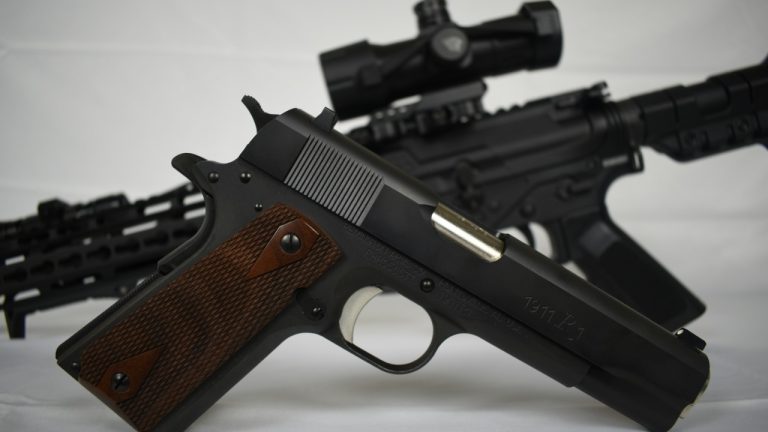
Long before polymer frames and striker-fired triggers, the 1911 set the standard for what a fighting handgun could be. Designed by John Browning, it served as the standard issue sidearm for the U.S. military for generations and still anchors many serious collections. A survey of essential firearms for enthusiasts highlights the 1911 as a semi-automatic pistol created by John Browning that became a defining military sidearm, a reminder that this is not just a nostalgic choice but a historically important design. Shooting a well-tuned 1911 introduces many people to the crisp break of a single-action trigger and the confidence that comes from a full-size steel frame soaking up recoil.
Owning a 1911, even briefly, also teaches practical lessons about trade-offs. The platform’s relatively low magazine capacity by modern standards, its weight, and its manual safety system all contrast sharply with a Glock 19 or similar polymer pistol. That contrast forces a shooter to think carefully about what matters most in their own use case: capacity, shootability, concealment, or mechanical simplicity. For many, the 1911 becomes the benchmark for trigger quality and ergonomics, even if they ultimately carry something lighter and higher capacity day to day.
Subcompact carry pistols and the reality of concealment
Once a shooter has lived with a mid-size pistol like the Glock 19, the next revelation usually comes from trying to carry something smaller. Subcompact handguns, whether in 9 mm or .380 ACP, show in a very immediate way how size and weight affect daily comfort and concealment. The same guide that praises the Glock 19 as “The Best Handgun” for general self-defense also stresses that self-defense starts with a handgun that can actually be carried on your person or in a vehicle, a point that becomes more urgent when someone experiments with truly compact options. The smaller grip and shorter sight radius of a subcompact make it harder to shoot well, but they also make it far more likely that the gun will be with you when you need it.
Owning a subcompact, even if only as a second pistol, forces a shooter to confront the compromises that come with deep concealment. Recoil can feel snappier, controls may be harder to manipulate under stress, and magazine capacity drops. Yet the trade-off is genuine discretion under light clothing and less fatigue over a long day of carry. Experiencing that balance firsthand is invaluable when deciding whether to prioritize shootability or concealability, and it often leads shooters to refine their holster choices, belt quality, and wardrobe in ways that a larger pistol never demanded.
Full-size duty pistols and training efficiency
At the other end of the spectrum from subcompacts sit full-size duty pistols, which many shooters first encounter in law enforcement or military contexts. These guns, often with 4.5 to 5 inch barrels and full-length grips, are built for maximum control, capacity, and durability. Spending time with a full-size platform reveals how much easier it can be to learn fundamentals like trigger control, sight alignment, and recoil management when the gun itself is not fighting you. The same concealed carry analysis that praises the Glock 19 as a “do everything” pistol implicitly acknowledges that larger models in the same family offer even more forgiving handling, especially for newer shooters.
Owning a full-size handgun also changes how range sessions feel. Longer sight radius and heavier weight make it easier to see incremental improvements in accuracy, which can be motivating during structured practice. Many shooters find that they progress faster when they train primarily with a full-size pistol, then translate those skills back to smaller carry guns. That experience can reshape how someone allocates their budget, often leading them to invest in a serious training pistol and quality ammunition first, then refine their concealed carry setup once their fundamentals are solid.
Revolvers and mechanical simplicity
In an era dominated by semi-automatic pistols, it is easy to overlook the value of owning a revolver. Yet the mechanical transparency of a double-action wheelgun teaches lessons that are hard to learn any other way. With each trigger pull rotating the cylinder and cocking the hammer, the shooter can feel the entire firing cycle in their hand, which encourages a smoother, more deliberate trigger press. Many collectors who prize classic semi-automatics like the 1911 also keep at least one revolver in the safe, recognizing that it represents a different branch of handgun evolution that is still relevant for defense and field use.
Revolvers also highlight the trade-off between capacity and reliability in a very concrete way. A typical defensive revolver holds five or six rounds, far fewer than a modern semi-automatic, but it is largely immune to issues like magazine failures or limp-wristing. For some shooters, especially those who value simplicity above all else, that trade-off is acceptable. For others, the limited capacity is a deal-breaker. Owning and shooting a revolver, even if it never becomes a primary carry gun, gives a shooter a grounded perspective on why some people still trust this older technology for serious purposes.
Budget-friendly workhorses and the value equation
Not every formative handgun experience comes from a flagship model. Budget-friendly pistols, often priced well below the $500 mark associated with the Glock 19, expose shooters to the realities of cost cutting and value engineering. When a guide to buying a first gun points to a $500 Glock 19 as a benchmark, it implicitly invites comparison with cheaper alternatives that promise similar features at a lower price. Owning one of those alternatives, even temporarily, can clarify whether the savings are worth potential compromises in trigger quality, finish, or long-term durability.
For many new shooters, a budget pistol is the only realistic entry point, and that is not inherently a problem. The key is to treat it as a learning tool rather than a final destination. After spending time with a lower-cost handgun, then shooting a more refined model like a 1911 or a well-sorted Glock, the differences in ergonomics, reliability, and aftermarket support become obvious. That contrast can inform future purchases and help shooters avoid chasing features that look attractive on paper but do not hold up under regular use.
Collector icons and historical context
Some handguns earn a place on the “must experience” list not because they are ideal for modern carry, but because they illuminate how handgun design has evolved. The 1911 is the clearest example, but it sits alongside other historically significant pistols that collectors seek out. A survey of essential firearms for enthusiasts singles out the 1911 as a semi-automatic pistol designed by John Browning that became a standard issue sidearm for the U.S. military, placing it in the same category as other iconic long guns and sidearms that shaped 20th century conflict. Owning such a pistol, even if it spends most of its life in a safe, connects a shooter to that broader story.
Experiencing a historically important handgun also sharpens a shooter’s appreciation for modern engineering. The weight, manual safeties, and sight designs of older pistols can feel dated compared with a contemporary Glock 19 or similar polymer gun, yet they often reveal thoughtful craftsmanship and design choices that still influence current models. That awareness can change how someone evaluates marketing claims about “revolutionary” new pistols, grounding their opinions in firsthand experience rather than advertising copy.
Aftermarket ecosystems and platform depth
One reason certain handguns become almost mandatory experiences is the ecosystem that grows up around them. The Glock 19 is a prime example, with a vast array of holsters, sights, triggers, and other accessories that allow owners to tailor the gun to their needs. A concealed carry overview that highlights the Glock 19 as a “do everything” pistol also notes how strong its support is when it comes to parts and accessories, a reminder that buying into a popular platform can pay dividends for years. Owning such a pistol teaches a shooter how to evaluate aftermarket parts, from night sights to upgraded connectors, and how to distinguish meaningful improvements from cosmetic changes.
By contrast, less common handguns may offer appealing features on paper but lack the same depth of support. That difference becomes clear only when a shooter tries to find a specific holster, replacement magazine, or upgraded sight and discovers limited options. Experiencing both sides of that equation, first with a widely supported platform and then with a niche model, helps shooters understand why some instructors and reviewers place so much emphasis on ecosystem. It is not just about convenience, but about ensuring that a defensive handgun can be maintained, repaired, and customized over a long service life.
Building a personal roadmap from these experiences
Owning the handguns described here at least once is less about checking boxes and more about building a personal frame of reference. A shooter who has lived with a Glock 19, a 1911, a subcompact carry pistol, a full-size duty gun, and a revolver will have a far richer understanding of their own preferences than someone who has only ever shot one platform. The guide that calls the Glock 19 “The Best Handgun” for many people also emphasizes that self-defense starts with a handgun that fits your life, a point that becomes clearer with each new platform you try. Those experiences reveal whether you prioritize trigger feel, capacity, concealment, or simplicity, and they often shift your thinking over time.
In the end, the most important handgun is the one you can carry consistently, shoot accurately, and maintain confidently. The models highlighted here are simply the most instructive stepping stones toward that goal. By deliberately seeking out these formative pistols, learning what they do well, and recognizing where they fall short for your needs, you can move beyond brand loyalty or internet consensus and build a collection, and a carry setup, that reflects real-world experience rather than theory.

Leo’s been tracking game and tuning gear since he could stand upright. He’s sharp, driven, and knows how to keep things running when conditions turn.