Why stockpiling gear matters less than knowing how to use it
When things go sideways, the gear you own matters a lot less than what you can actually do with your hands and your head. A loaded garage or basement looks impressive, but in a real emergency the people who stay calm, improvise, and move with purpose are the ones who usually come out ahead. The difference is not the size of their stockpile, it is the depth of their skills.
I have watched plenty of well equipped folks freeze the first time they had to light a fire in the rain or stop real bleeding. I have also watched people with a beat up pack and a few basic tools quietly solve problems that would wreck most households. That gap, between owning gear and knowing how to run it, is where survival is won or lost.
The core problem with gear-first prepping
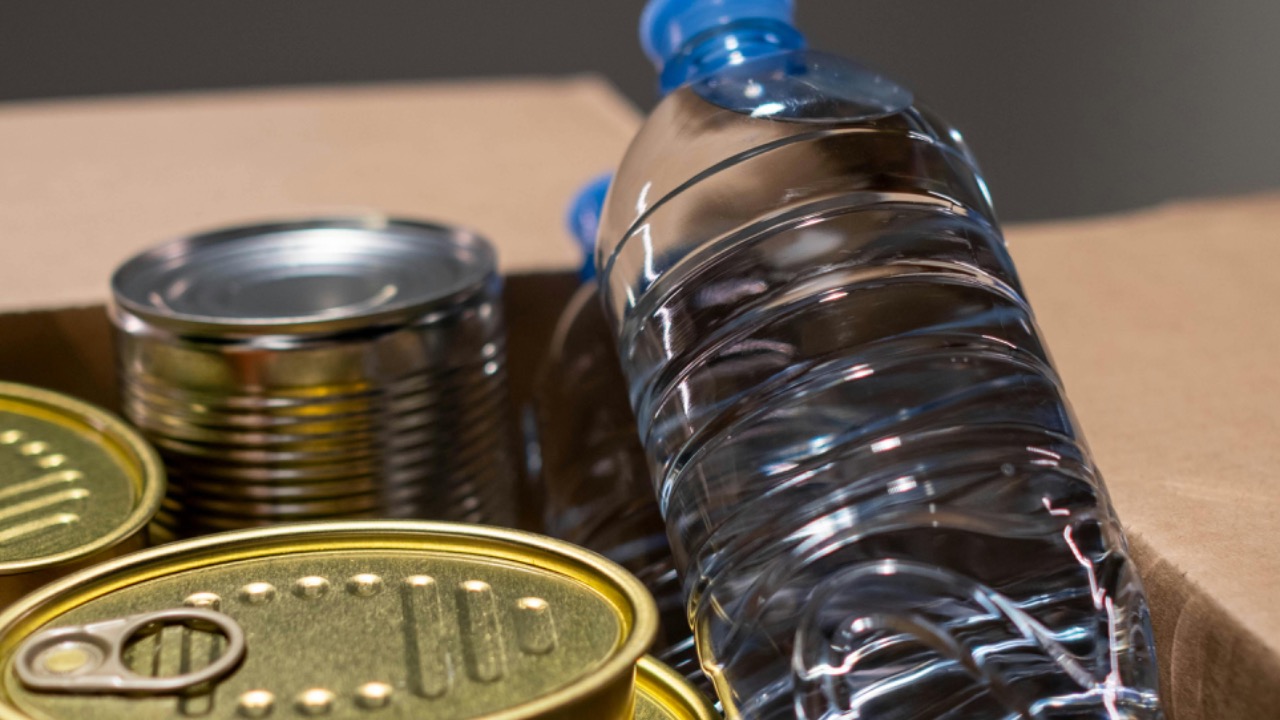
Most new preppers start by buying things, not by learning. It feels productive to click “add to cart” on another water filter or flashlight, and the pile of equipment becomes a kind of security blanket. The trouble is that gear is only potential, not performance. Without reps, you do not know how that stove behaves in wind, how long those batteries really last in the cold, or whether that fancy filter clogs after a weekend of muddy creek water.
Experienced instructors point out that gear is helpful, but it is no substitute for a trained brain. One training group spells it out bluntly, noting that “gear is helpful, but it is not a replacement for skill,” and urging people to start building practical knowledge long before they chase the next piece of equipment. When you treat gear as the answer, you stop asking better questions, like how you would handle the same problem with less, or what happens when that one critical item fails.
Why survival skills keep you alive when gear fails
In the field, skills are the only thing you truly own. Packs get lost, trucks roll, and expensive tools break at the worst possible time. What stays with you is the ability to find water, build a shelter, and manage your body temperature with whatever is on hand. That is why serious emergency educators hammer the basics of fire, shelter, water, and first aid long before they talk about brand names or loadouts.
One national training organization spells it out clearly, explaining that survival skills are essential because they preserve life when conditions turn ugly and help people stay calm and confident in the face of adversity. They highlight that knowing how to find water, build shelter, and stay warm is what keeps you alive until help arrives or conditions improve. Gear can support those tasks, but the underlying know how is what turns a cold, wet night into an uncomfortable story instead of a fatal mistake.
Lessons from the field: when stockpiles fall short
Anyone who has spent time around preparedness communities has seen the same pattern repeat. Someone posts a photo of a “bug out bag” stuffed with tools, weapons, and gadgets, then quietly admits they have never hiked more than a mile with it. Others brag about shelves of food and fuel, but have never cooked a full week of meals using only what is in their pantry and what their off grid stove can handle. The gap between the Instagram shot and real world use is wide.
On one popular prepping forum, a user in Jun laid it out plainly, saying they had seen many posts asking what should go into an emergency bag, but that people “miss the overall point” if they never practice with what they own. They reminded readers that gear is only as useful as your knowledge and skill set, and that you need to be good at using it as well. That is not theory. It is the voice of someone who has watched people fumble with unused tools when the power was already out.
Skills that matter more than another gadget
When you strip away the marketing, a short list of abilities does more for your odds than any catalog of gear. Firecraft, water sourcing and purification, shelter building, basic navigation, and medical care for trauma and illness all sit at the top. If you can keep yourself warm and dry, hydrate safely, avoid getting lost, and stop bleeding or treat shock, you have solved most of the problems that kill people in emergencies.
Emergency educators emphasize that survival skills are because they preserve life and build confidence in facing adversity. They highlight that knowing how to find water, build shelter, and stay warm is not a niche hobby, it is the foundation of staying alive when systems fail. Once those fundamentals are in place, gear becomes a force multiplier instead of a crutch.
Mindset and fitness: the “invisible” gear you always carry
There is another layer that does not fit in a pack at all. A calm, problem solving mindset and a reasonable level of fitness often matter more than the latest titanium tool. Under stress, people who have rehearsed scenarios, accepted that things can go wrong, and built a habit of taking the next right step are far less likely to panic. They also make better use of whatever tools they do have, because they are not burning energy on denial or indecision.
One survival training group notes that, in the ever evolving world of survival instruction, developing a survivalist mindset is critical, and that one of the best ways to build that mindset is through immersive training that exposes you to stress in a controlled way. On another prepping forum, a commenter in Jul argued that “Skills and FITNESS” are underrated, pointing out that if you are not physically capable of carrying your pack or swinging an axe for an hour, the best gear in the world will not help you. They reminded readers that skills do not require you to carry them and that if you cannot use a tool effectively, it will not help you.
Why experience beats unopened packaging
There is a big difference between owning a tool and owning the experience of using it. A ferro rod in the package is a promise. A ferro rod you have used to light a dozen fires in bad weather is a proven asset. The same goes for trauma kits, radios, chainsaws, and water filters. Until you have run them hard, maintained them, and seen what fails, you are betting your life on marketing copy and assumptions.
In one Oct discussion among preparedness enthusiasts, a member warned that you can buy all the gear, tools, and weapons you like, but if you are just stockpiling without using your investment in the actual field, you are missing the point. Others chimed in that they try everything at least once to decide what works, and that you should avoid buying dozens of units before you know how a tool behaves. Their blunt conclusion was that can buy all you want, but without field experience it is dead weight. That is not anti gear, it is a reminder that practice is what turns equipment into capability.
Finding the right balance between tools and training
None of this means gear is useless. The real answer to the old “skills or stuff” argument is that you need both, but in the right order. Skills are primary, gear extends what you can do. A sharp fixed blade knife, a reliable headlamp, and a solid water filter can make life much easier, but only if you already know how to process wood, manage light discipline, and choose safe water sources. Without that base, you are collecting toys, not building resilience.
One training company frames it as “Gear vs. Skill,” urging people not to let equipment become a crutch or skill become an excuse. They argue that finding the right in preparedness means recognizing that gear alone is not enough, but neither is knowledge without tools. Another group that focuses on medical and tactical training puts it even more bluntly, explaining that knowledge and skills and that equipment simply extends your capability. They note that the more you rely on complex gear, the more you increase your cognitive load, while mastering core skills with simpler tools streamlines decision making when it counts.
Common mistakes new preppers make with gear
Newcomers tend to repeat the same errors. They buy specialized tools they do not understand, duplicate items they will never carry, and skip maintenance because everything is still “new.” They also underestimate how quickly blades dull, batteries drain, and seals fail when gear finally comes out of storage. The first real test often exposes rust, dead cells, and missing parts that could have been caught with a single dry run.
In a Jan discussion of common mistakes, one off grid group pointed out that the fact is it takes both skills and stuff, but that buying supplies, equipment, and gear without knowing how to use it properly is a serious problem. They gave the example of people who buy a sharp knife and never learn how to sharpen it, so they have no idea what to do when it gets dull. Their warning was clear: buying gear is the easy part, but if you do not build the skills to maintain and operate it, you are setting yourself up for failure when you can least afford it.
How to train so your gear actually works for you
The fix is straightforward, but it takes humility and time. Start by listing the scenarios you actually face: winter power outages, wildfire evacuations, long term job loss, or getting stuck on a remote road in your 2015 Ford F 150. Then match each scenario with a short list of skills and tools, and commit to training those skills until they are boring. That might mean cooking three full days of meals on your camp stove, hiking ten miles with your bug out bag, or running a full family drill where you shut off the main breaker and live off stored water and lanterns for a weekend.
Seasoned instructors recommend structured practice, not random tinkering. One survival training group stresses that the best way to build a resilient mindset is through immersive scenarios that mimic real stress. Another outdoor gear company points out that debates over what is more important in survival, knowledge or equipment, miss the point, and that both matter when used together. They note that survival debates often pit “bushcraft” against “tactical,” but that the real question is how you combine knowledge and equipment so each supports the other. If you approach your own training with that mindset, your gear stops being a collection and starts becoming a system you can trust.

Asher was raised in the woods and on the water, and it shows. He’s logged more hours behind a rifle and under a heavy pack than most men twice his age.