The preparedness mistakes people only notice too late
When trouble hits, the gap between people who thought they were prepared and people who actually are can be brutally wide. The mistakes that matter most are usually invisible on a sunny day, then painfully obvious when the lights go out, the roads close, or the tap runs dry. I have seen again and again that the failures that hurt are less about gear and more about planning, mindset, and follow‑through.
The good news is that most of those failures are fixable if you are willing to look at your own setup with a critical eye. The patterns show up in big disasters and in small household emergencies: no plan, no practice, no redundancy, and no realistic sense of risk. The goal is not perfection, it is avoiding the kind of blind spots that only reveal themselves when it is too late to do anything about them.
1. Treating preparedness like a competition instead of a lifestyle
One of the quietest but most damaging mistakes is turning preparedness into a scoreboard. When people chase the biggest stockpile or the flashiest gear, they lose sight of the point, which is keeping their household alive and steady when things go sideways. A recent post framed it bluntly: Preparedness goals are deeply personal, and what feels attainable for one family may be unrealistic for another. When you try to “keep up” with someone else’s bunker or bug‑out rig, you end up spending money and energy on someone else’s risk profile instead of your own.
That same message was sharpened later in the reminder that Preparedness is not, it is part of how you live today. I have found that when people stop treating prepping like a contest, they start making better decisions: buying food they actually eat, choosing training that fits their bodies, and building plans that match their neighborhoods. The folks who ride out crises best are rarely the ones with the most gear; they are the ones whose preparations are woven into their daily routines so tightly that they barely notice they are doing it.
2. Ignoring the boring basics: plans, water, and sanitation
The mistake I see more than any other is people skipping the dull fundamentals. They buy radios and tactical flashlights, but they have no written family plan, no meeting points, and no idea who grabs the kids if the house has to be cleared in sixty seconds. One long‑running checklist of errors puts “Not Having an Emergency Plan” at the very top, and it is there for a reason. When the power fails or the wildfire jumps the highway, you will not have time to negotiate in the driveway about who is going where.
Water and waste are the other blind spots that only show themselves when it is far too late. A lot of people stack canned food and forget that toilets stop working when pumps lose power and that city water can be contaminated or shut off entirely. One detailed breakdown of household risk points out that What happens when the power goes out and water stops flowing for weeks is not theoretical, and that while most preppers focus on food storage, they neglect sanitation systems that keep disease from ripping through a family. Another guide on common errors notes that people underestimate how much clean water they need for drinking, cooking, and basic hygiene, even though short‑term emergencies are exactly when stored water is most essential.
3. Chasing fantasy threats instead of real risks
There is a particular kind of tunnel vision that shows up in preparedness circles: people obsess over cinematic scenarios and ignore the events that actually knock communities flat. One long discussion of common misconceptions calls out the paranoid fixation on TEOWAWKI, guns, ammo, body armor, and fighting or killing others. While anything can happen, the same thread points out that this focus crowds out planning for far more likely problems like job loss, regional storms, or a family medical crisis. When your mental model of disaster is a Hollywood firefight, you are less likely to think about insulin refills or backup heat.
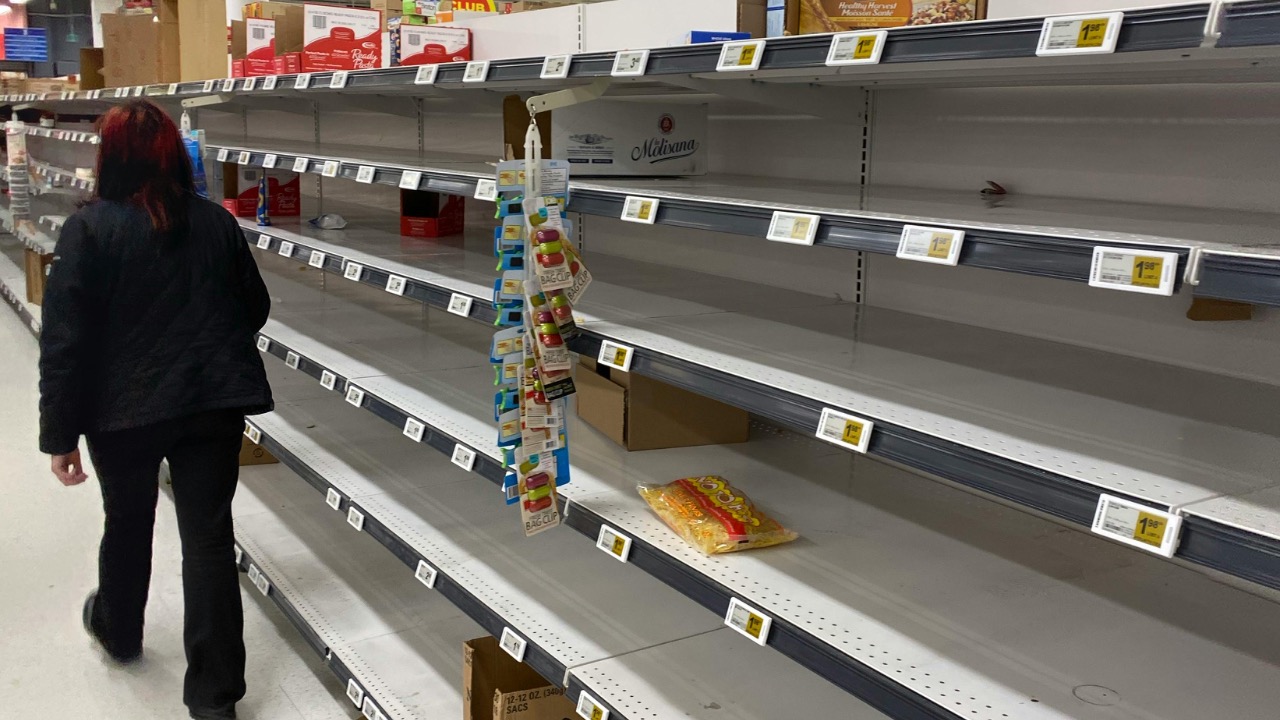
Several risk‑focused guides argue that Preparedness starts with knowledge and it starts at home, which means mapping the hazards that actually threaten your region. Floodplains, aging power grids, wildfire corridors, and chemical plants are not as dramatic as end‑of‑the‑world fantasies, but they are far more likely to shape what you and your neighbors face. Another overview of recent crises notes that Recent events such as large‑scale power outages, floods, and pandemics have already shown how quickly store shelves go empty, taps run dry, or heating fails. The people who did best in those events were not the ones gaming out movie plots; they were the ones who had quietly prepared for the boring, predictable failures of modern infrastructure.
4. Buying gear instead of building skills
Another mistake that only shows up under stress is treating equipment as a substitute for practice. I have walked into plenty of garages where the shelves are lined with vacuum‑sealed food, water filters, and trauma kits, and the owner has never opened half of it. A widely shared reminder framed it bluntly as a “Prepping Fact of the Day”: Gear Without Practice. Having the right tools is important, but knowing how to use them under pressure is what keeps you alive. A tourniquet you have never unwrapped or a camp stove you have never lit is a liability, not an asset, when the room is dark and your hands are shaking.
Some of the best training programs I have seen lean hard into this idea. One instructor’s school is described as inclusive, with female instructors and instructors with disabilities, and it is meant to be a comfortable place to learn how to handle stress, fire, water, and medical supplies in real time. The same profile notes that His students work directly with fire, water, and medical supplies instead of just talking about them. That kind of hands‑on repetition is what turns a theoretical plan into muscle memory. When I look at who performs well in real emergencies, it is almost always the person who has run the drill a dozen times, not the one with the newest gadget.
5. Underestimating how early you need to move
Timing is another trap that does not reveal itself until the window has closed. People wait to see if the storm really is that bad, if the fire really will cross the ridge, or if the supply chain really will seize up. A detailed analysis of decision‑making in crises lays out what it calls the tradeoff and the 4 possible outcomes when you choose between acting early and acting late. In that breakdown, early action has a clear asymmetry: if you move too soon, you might waste some time or money, but if you move too late, the cost can be your life. That logic holds across many types of risks, from evacuations to stocking up on critical medications, and it is why I tell people to lean toward early moves when the stakes are high.
The same piece notes that this pattern shows up again when you compare personal action to baseline government preparedness. If you assume that official systems will always catch you, you are betting that the late‑action costs will be manageable. A follow‑on section titled The tradeoff spells out that across many types of risks, the downside of acting early is capped, while the downside of waiting can be unbounded. In plain language, leaving town a day too early is an inconvenience; leaving a day too late can put you in a traffic jam with a fire at your back. The mistake is not seeing that asymmetry until you are already stuck in it.
6. Letting fear or perfectionism stall you out
Plenty of people never get started because they feel overwhelmed, or they burn out because they think they have to prepare for every possible scenario. A long look at anxiety and planning notes that Preparedness is about having a plan, staying organized, and building habits that support resilience, not about obsessing over every nightmare. When you have those systems in place, you are responding to life’s challenges and staying ahead of them instead of being dragged around by vague dread. I have watched people spin their wheels for years because they are chasing a feeling of total safety that does not exist.
On the other side, some preppers swing into a rigid hoarder mindset. One discussion of a “unique approach” to supplies argues that You should not touch your preps unless there is no other option, describing years worth of food and supplies stored with no intention of rotating them. That strategy might look impressive on paper, but in practice it leads to expired goods, unfamiliar foods, and a brittle mindset that treats any use of supplies as failure. The healthier pattern I see in experienced households is steady rotation and small, consistent upgrades. They accept that they will never be “done,” and that is exactly why they keep making progress.
7. Forgetting that emergencies are local and social
Another mistake that only shows up in the moment is assuming you will face crisis alone. In reality, emergencies are almost always local and social. Your neighbors, coworkers, and extended family will shape your odds more than any influencer on the internet. One community‑oriented guide on mistakes people make in an emergency points out that failing to communicate, panicking, and ignoring instructions from local responders are all common errors that make bad situations worse. It lists several mistakes you are making in an emergency, including not delegating tasks and not checking on vulnerable neighbors, and those are exactly the behaviors I have seen derail otherwise solid plans.
There is also a tendency, especially in cities and suburbs, to assume that preparedness is only for rural homesteads. A widely shared breakdown of Common Mistakes New, especially in the City or Suburbs, notes that most people want to be prepared but do not know where to start and that the best advice is to stay calm, with no doomsday thinking needed. It emphasizes planning for realistic events like getting hurt or a natural disaster, and it highlights the value of balancing saving and spending. In my experience, the apartment dweller with a few weeks of food, a water plan, and a tight network in their building is often in better shape than the isolated landowner who never talks to his neighbors.
8. Mismanaging money, supplies, and rotation
Money mistakes are another thing people only recognize after they have blown a few paychecks on the wrong items. A practical guide on budget‑minded prepping points out that Doomsday Prepping on a Budget can look expensive when you focus on high‑end gear, but there are affordable ways to Stay Prepared Let you build resilience over time. I have seen people sink thousands into night vision and plate carriers while their pantry could not handle a two‑week trucking strike. The smarter move is usually to shore up food, water, heat, and medical basics before chasing specialized gear.
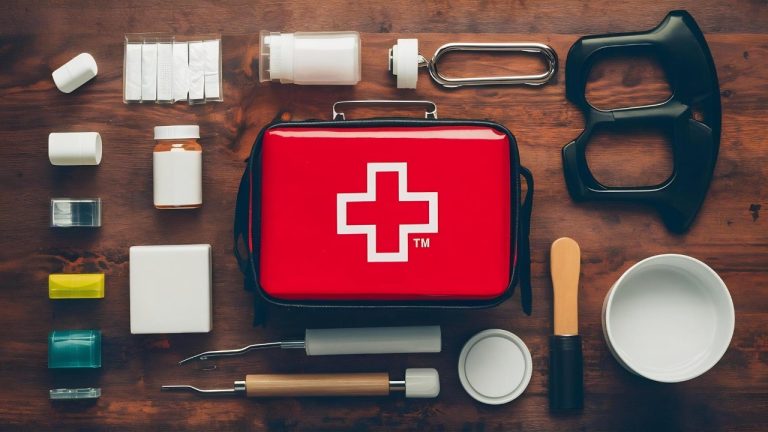
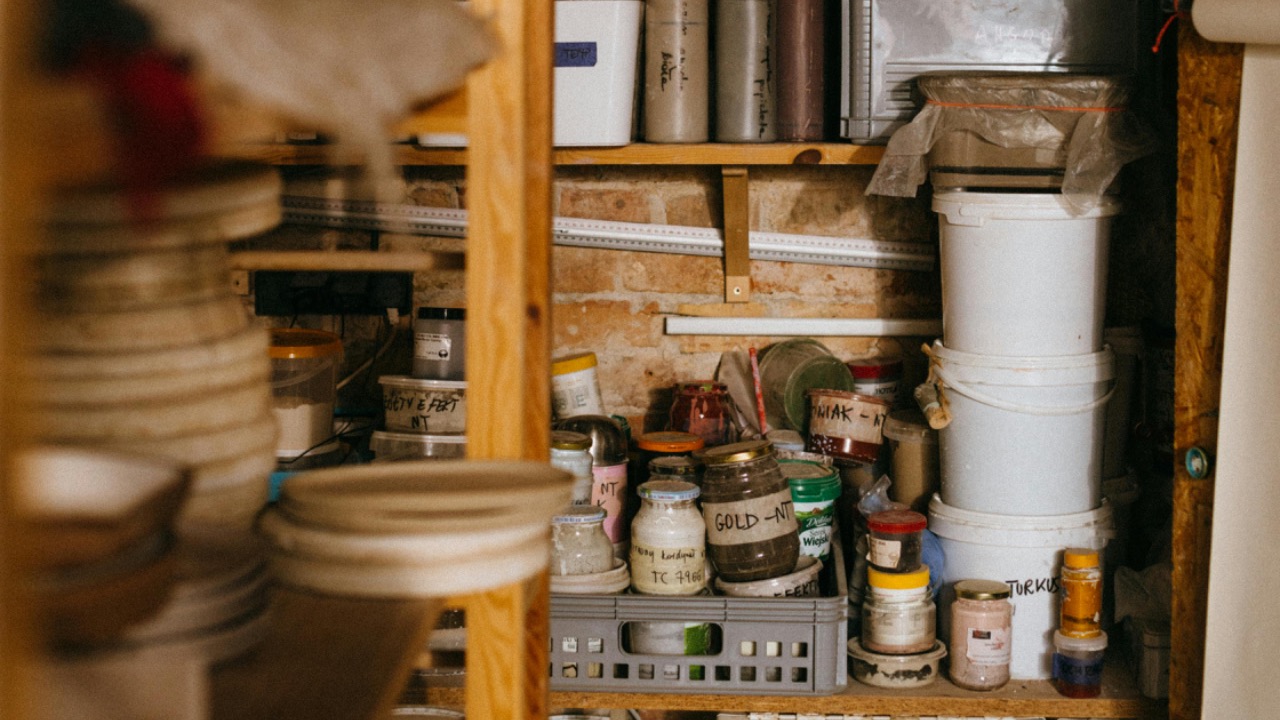
Once you have supplies, the next mistake is letting them sit until they are useless. One list of prepping mistakes notes that people often fail to rotate food, ignore expiration dates on medications, and stash gear in places they cannot reach quickly. A follow‑up section on learning from errors stresses that Identifying our weak areas and working to improve them is a lesson in itself. I tell people to treat their pantry like a living thing: eat from it, restock it, and keep a simple list taped to the inside of a cabinet door. The same goes for fuel, batteries, and first‑aid supplies. If you would not trust it on a normal day, you should not be betting your life on it in a crisis.

Asher was raised in the woods and on the water, and it shows. He’s logged more hours behind a rifle and under a heavy pack than most men twice his age.