Why pocket carry presents risks many concealed carriers don’t anticipate
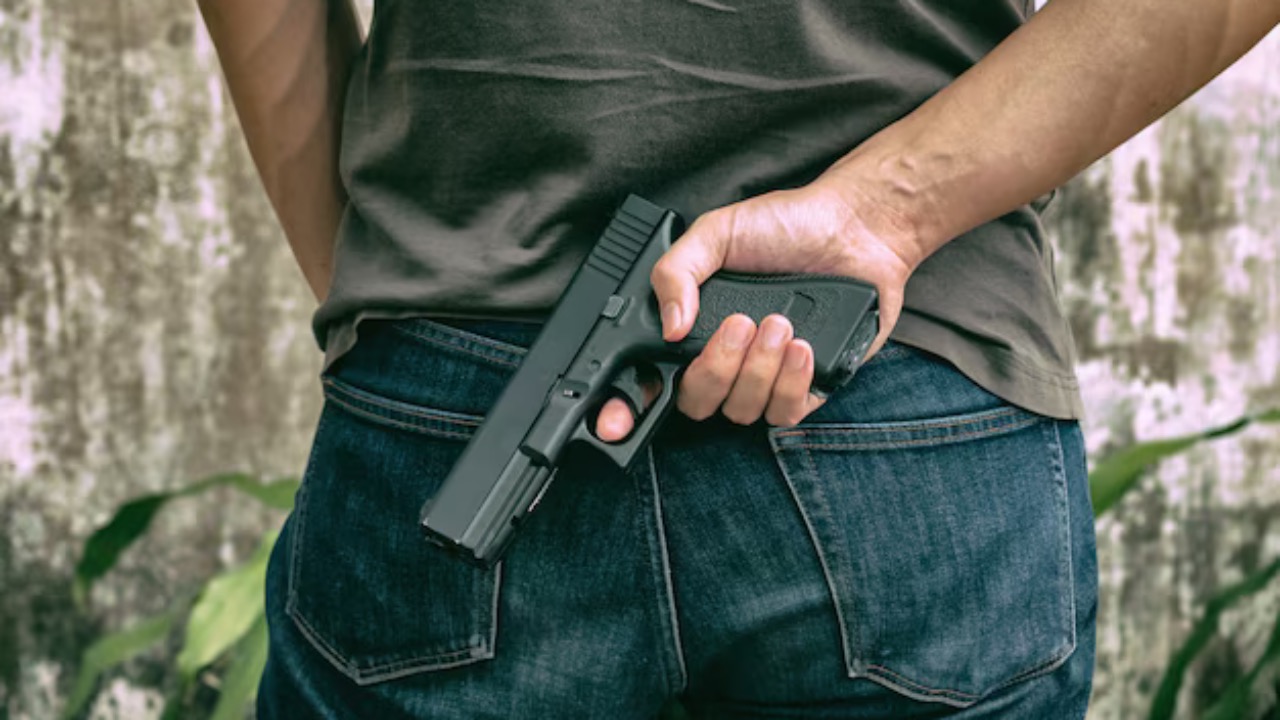
Pocket carry looks simple, but the apparent convenience hides a stack of safety, access, and performance tradeoffs that many concealed carriers only discover after a close call. The same jeans pocket that easily hides a small handgun can also foul the draw, expose the trigger, or slow you down at the exact moment you need the gun most. I want to unpack those hidden risks and the habits that can turn a casual shortcut into a disciplined method.
Handled correctly, pocket carry can be a legitimate option for specific guns, specific clothing, and specific situations. Handled casually, it invites negligent discharges, fumbled draws, and a false sense of readiness that serious self‑defense work cannot afford. The gap between those two outcomes is where the real story sits.
Why pocket carry feels safer than it is
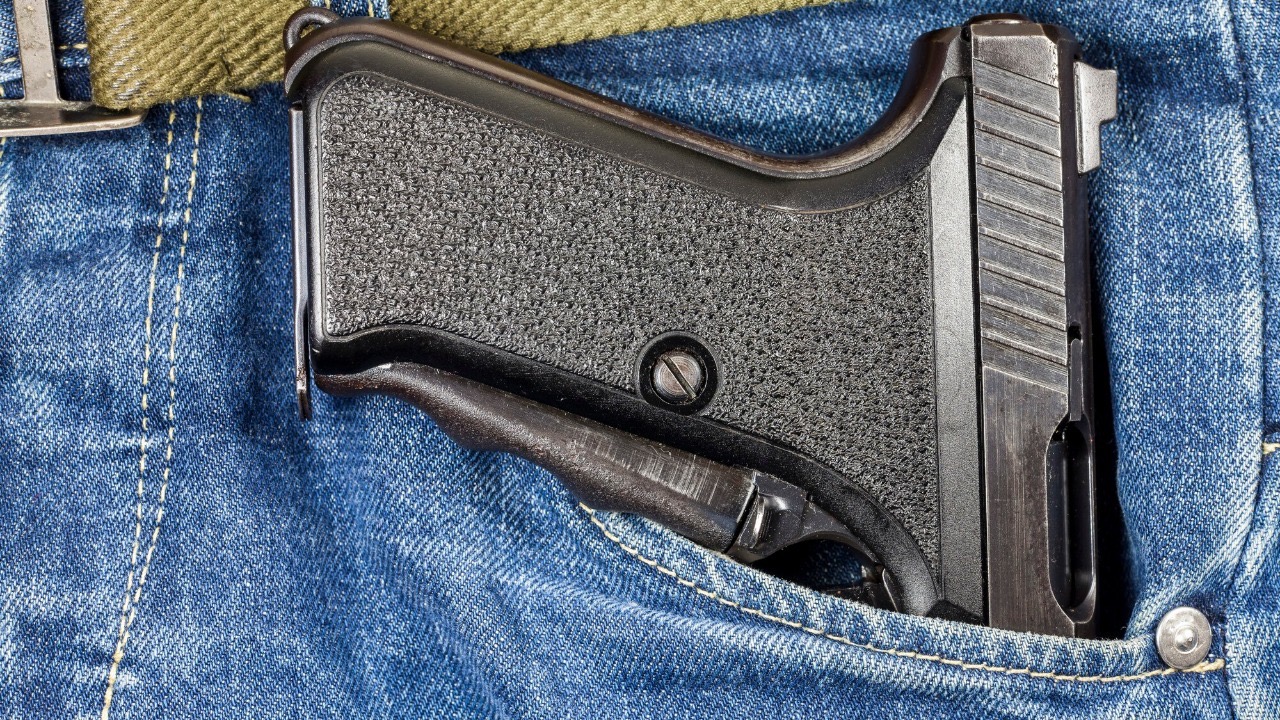
The first trap with pocket carry is psychological. Because the gun is buried in fabric instead of riding on a belt, many people subconsciously treat it more like a wallet than a weapon. The pocket itself starts to feel like a holster, even though it does not control orientation, does not shield the trigger from debris, and does not keep the gun in a consistent position when you sit, stand, or climb into a car. That illusion of containment is exactly what leads some carriers to skip a real holster and drop a loaded pistol straight into a front pocket.
Legal guidance acknowledges that in many states it is technically lawful to carry a gun in your pocket without a holster, but even those explanations stress that this is not recommended because the fabric does nothing to block the trigger or prevent an object from pressing it rearward. One detailed breakdown notes that a proper pocket holster covers the trigger and prevents accidental discharges, while simple pocket carry does not, which is why it flags holsterless pocket carry as a safety concern even where it is legal to do so in a pocket. When the law is more permissive than best practice, it is easy for new carriers to confuse what is allowed with what is wise.
The hidden dangers inside your pocket
Once a gun goes into a pocket, everything else in that pocket becomes a potential trigger manipulator. Keys, coins, a lighter, or even a USB drive can wedge into the trigger guard as you sit or move, especially with striker‑fired pistols that have relatively light triggers. Experienced instructors warn bluntly not to carry a pocket knife, keys, or anything else in the same pocket as the gun, because those items can interact with the trigger and defeat the mechanical safeties that are designed around an unobstructed trigger guard. One widely shared training piece spells this out directly, urging carriers not to try to carry a pocket knife, keys, or whatever else in the same pocket as the gun, and credits that advice to a seasoned instructor named Don.
Even if you keep the pocket otherwise empty, the pocket itself is a dirty environment. Lint, sand, and fabric fibers migrate into the muzzle, the action, and the trigger area, especially in looser pants. Another detailed guide points out that your pocket is as much a part of the carry system as the holster, and that a good pocket holster not only keeps the gun oriented correctly but also protects it from pocket gunk that can interfere with reliable operation. That same analysis urges carriers to forget about the pocket as a storage space once the gun is in it, and to treat the holster as the only thing that belongs there, a point driven home in a section that tells readers to forget about the pocket and notes that once the gun is in the pocket, the holster protects it from pocket gunk.
Size, fit, and the false promise of “any pants will do”
Another unanticipated risk is assuming that any small handgun will work in any pair of pants. In reality, pocket dimensions, fabric stiffness, and cut determine whether the gun prints, rotates, or binds on the draw. Detailed gear reviews emphasize that not every pair of pants will work well with pocket carry, and that carriers need to check that the pockets in their closet are deep enough and cut in a way that allows a clean grip. One widely cited breakdown notes that not every pair of pants will work with pocket carry and that you are generally limited to micro‑compacts and subcompacts, explicitly apologizing to Glock 19 fans while explaining that larger pistols are simply too big for most pockets, a point it makes while discussing how Glock 19 sized guns are not realistic pocket options.
Even within the micro‑compact category, pocket shape matters. Another section of the same analysis stresses that not every pair of pants will work, that carriers should focus on pockets that accommodate micro‑compacts and subcompacts, and that they must regularly clean both their pockets and their guns to keep lint from building up. It even suggests that those who need help cleaning should consult a dedicated guide, underscoring that pocket carry is a system that includes the garment, the holster, and the maintenance routine, not just the firearm itself, a point made explicitly in a segment that repeats that not every pair of pants will work and urges carriers to clean their pockets and gun.
Capacity, control, and the performance tradeoff
To fit a gun into a front pocket, most carriers end up choosing very small pistols or lightweight revolvers. That size reduction brings its own compromises. Smaller guns typically hold fewer rounds, have shorter sight radii, and can be harder to control under recoil, especially for newer shooters. One detailed pros and cons list notes that pocket carry typically limits the size and capacity of the firearm, and that most pocket‑sized guns have reduced magazine capacity compared with belt‑carried compacts, which can matter in a prolonged defensive encounter. It frames this as a core drawback under a section explicitly labeled Limited Capacity.
There is also a broader pattern in concealed carry culture of gravitating toward very small handguns simply because they are easy to hide, even when that choice undermines shootability. One influential training piece lists as its first major mistake the habit of CARRYING TOO SMALL A HANDGUN, warning that many people are attracted to small defensive handguns simply because they can be more easily concealed, instead of choosing a gun they can run well and then dressing around it. That critique, which literally capitalizes CARRYING, TOO, SMALL, and HANDGUN, is a reminder that shrinking the gun to fit a pocket can be a symptom of a larger mindset problem, one that prioritizes comfort over capability and that is called out in a section explaining that Many carriers pick guns that are too small.
Draw speed, awkward angles, and real‑world access
Even when the gun fits and the pocket is clean, access can be far slower and more awkward than belt carry. Drawing from a pocket requires clearing the opening, establishing a full firing grip, and lifting the gun past the pocket seam without snagging the front sight or the holster. Video instruction that walks through the pros and cons of pocket carry concedes that yes, you can carry in a pocket, but stresses that pocket carry brings limitations, especially in the size of the gun and the speed of the draw, and that you are limited to sub‑compact pistols if you want any hope of a clean presentation. That same segment emphasizes that you must choose the right holster and practice the draw stroke repeatedly, a point it makes while explaining that yes, you can pocket carry, but you are limited to sub‑compact guns and must use the right holster.
Seated positions magnify those problems. When you are in a car seat, a restaurant booth, or an office chair, your thigh angle can trap the gun in the pocket, making it extremely difficult to draw without standing or twisting. A detailed discussion of pocket carry’s value acknowledges that while pocket carry offers numerous advantages, it presents specific challenges when sitting, and devotes a section titled Seated Pocket Carry Challenges and Solutions to explaining how the draw can be compromised and how that can reduce effectiveness in some defensive scenarios. That same analysis notes that knowing these drawbacks is essential to using pocket carry responsibly, and it frames seated access as one of the key drawbacks.
Holsters, pockets, and the myth of “fire and forget” carry
One of the most persistent myths is that pocket carry is a low‑maintenance option. Drop the gun in a holster, drop the holster in a pocket, and forget about it until you need it. Seasoned trainers push back hard on that mindset. A detailed essay on pocket carry warns that whatever your reasoning, if you choose this mode of carry, it is not a fire and forget method, and that in fact it could be more demanding than belt carry because you must constantly check that the holster stays in place, that the pocket has not stretched, and that lint has not accumulated. It stresses that you must inspect the gun and its holster dutifully, a phrase it uses explicitly while explaining that Whatever your reason, pocket carry demands ongoing attention.
Holster choice is also more constrained than many realize. Pocket carry is often incompatible with autopistols that have prominent magazine buttons on the side of the frame, because the pressure of the pocket or the holster can depress the release and partially eject the magazine without the carrier noticing. A detailed revolver‑focused analysis notes that pocket carry is often incompatible with such designs and suggests that small revolvers or autos with recessed controls are better suited to this role. It also points out that smaller pocket holsters cannot distribute weight like larger belt rigs can, which affects comfort and stability, a point made in a section that explains that Pocket carry has unique compatibility issues.
Discipline, empty pockets, and the “dedicated pocket” rule
Among experienced carriers, one rule comes up repeatedly: the gun pocket must be dedicated to the gun and its holster, with absolutely nothing else inside. That is not a suggestion, it is a line in the sand. A widely circulated list of pocket carry tips spells this out under a heading that literally reads Pack In A Dedicated Pocket By a dedicated pocket, and then clarifies that absolutely nothing else goes in the same pocket as the pistol, ever. It emphasizes the word Ever to drive home that there are no exceptions for a single key or a folded receipt, because any extra object can interfere with the draw or press against the trigger, a warning that appears in a section that uses the phrases Pack In, Dedicated Pocket By, and Ever.
Holster veterans echo that strictness from long experience. One long‑time carrier, writing after decades of pocket carry experiance, explains that for decades he has carried his J frames in Uncle Mikes pocket holsters, and that those holsters protect the gun and keep it oriented correctly. He describes treating the use of a proper pocket holster as a required practice, not an optional accessory, and credits that habit with avoiding problems over years of daily carry. That perspective, which explicitly references Decades of pocket carry experiance and the use of Uncle Mikes pocket holsters, is a reminder that the people who have done this safely the longest are also the ones most insistent on a rigid, Decades of tested routine.

Leo’s been tracking game and tuning gear since he could stand upright. He’s sharp, driven, and knows how to keep things running when conditions turn.