5 States where jaguarundis have been documented
Jaguarundis, the wiry little cats also known as Otter Cats, have a long history in the southern United States, even if most modern records are thin and hotly debated. I have pulled together the five states where these animals have actually been documented, whether by formal wildlife agencies or by carefully recorded field observations, so hunters, trappers, and hikers know where a glimpse of Herpailurus yagouaroundi is at least within the realm of possibility.
1. Texas
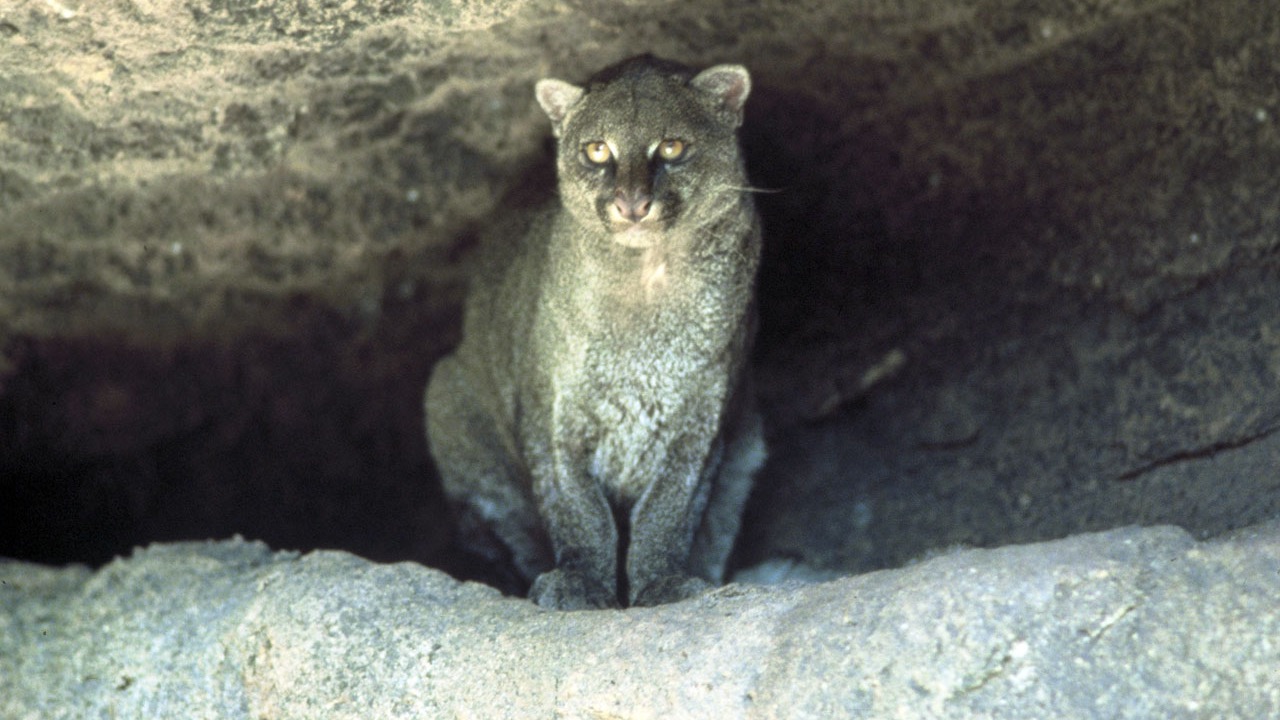
Texas is the only state where biologists have built a formal case that jaguarundis once bred north of the Rio Grande. The Texas Parks and Wildlife Department lists the cat as endangered, and a detailed status review notes that confirmed records cluster in the Lower Rio Grande Valley. A species account from Texas Tech describes the JAGUARUNDI, or Puma yagouaroundi, as a Small, slender-bodied cat that historically reached southern Texas.
That same research explains the scientific name was changed from Herpailurus to Puma, and that verified Texas animals matched the long-tailed, unspotted DESCRIPTION field biologists expect. A separate field report recounts how the Texas Parks and Wildlife Department has confirmed only five sightings, which is not enough to prove a current, reproducing population. For landowners and hunters, that means any odd, weasel-shaped cat in dense brush along the Rio Grande deserves a second look and a careful photograph.
2. Arizona
Arizona sits on the far western edge of the species’ North American range, and that fringe status shows in the records. A geographic summary notes that jaguarundis occur from southern Texas and Arizona south to northern Argentina, but it also stresses that Sightings in Arizona are sparse and controversial. One widely cited review even refuted earlier claims from the Huachuca Mountains in southeastern Arizona.
Another overview of the cat’s range explains that it is possibly extirpated in the United States and singles out those Huachuca Mountains reports as unconfirmed. A second reference to Arizona echoes that the state lies within the theoretical range but lacks solid modern evidence. For hunters glassing oak canyons or mesquite flats, the takeaway is straightforward: a jaguarundi would be an extreme rarity, and any claim needs hard proof like clear trail-camera images or a carcass examined by a qualified biologist.
3. Florida
Florida is where the jaguarundi story gets tangled. A broad range map that includes Florida has fueled decades of speculation that a nonnative population took hold in the state’s wetlands and pine flatwoods. One detailed account of Jaguarundis notes that animals reported in Alabama may represent a Florida population migrating northward, which only works if some cats were already established in Florida’s coastal counties.
On-the-ground reports are messy. A discussion among field observers points out that some people insist “no carcasses have been found in Florida,” while others describe seeing long-tailed, solid-colored cats in river swamps. Another account from Cedar Key describes “another unconfirmed sighting” near Dennis Cree, with the writer openly comparing jaguarundi reports to skunk ape stories. For anyone roaming Florida backroads, that mix of rumor and scattered detail means every supposed Otter Cat needs documentation, not campfire talk.
4. Alabama
Alabama has fewer jaguarundi stories, but they are specific enough that state biologists pay attention. The official carnivore account on Outdoor Alabama lists the SCIENTIFIC NAME as Herpailurus yagouaroundi and the OTHER NAMES entry as Otter Cat, then labels the species’ STATUS in the state as “Accidental.” That writeup notes rare sightings reported from southwestern Alabama, treating them as outliers rather than evidence of a resident population.
A broader summary of Jaguarundis adds that these cats have also been reported in the coastal area of Alabama since the 1980s, and suggests this may be evidence of the Florida population migrating northward. Google’s overview for Alabama shows how close those coastal marshes sit to Florida’s Panhandle, which makes the idea biologically plausible. For hunters and trappers in that corner of the state, the stakes are simple: any odd cat should be reported, photographed, and left alone, because even a single verified record would reshape Alabama’s small-carnivore list.
5. Georgia
Georgia rounds out the list with a handful of detailed field reports from its southern counties. One observer in a regional big-cat group wrote that there are “confirmed sightings in the river swamps of deep South Georgia just across the line from Florida,” describing a long-bodied, low-slung cat that did not match a bobcat. That same discussion ties those sightings to similar reports in Florida, hinting at a broader Gulf Coast cluster rather than isolated misidentifications.
Regional mapping for Georgia shows how those river swamps link directly into Florida’s wetlands, giving any dispersing Jaguarundis a natural travel corridor. A separate note on Jaguarundis in Alabama mentions coastal movements since the 1980s, which lines up with the idea that cats could slip into Georgia along the same coastal plain. For deer hunters and turkey hunters slogging through those swamps, that means an odd, otter-like cat on a log might be more than a trick of the light, but it still needs rock-solid proof before anyone calls it confirmed.

Asher was raised in the woods and on the water, and it shows. He’s logged more hours behind a rifle and under a heavy pack than most men twice his age.