
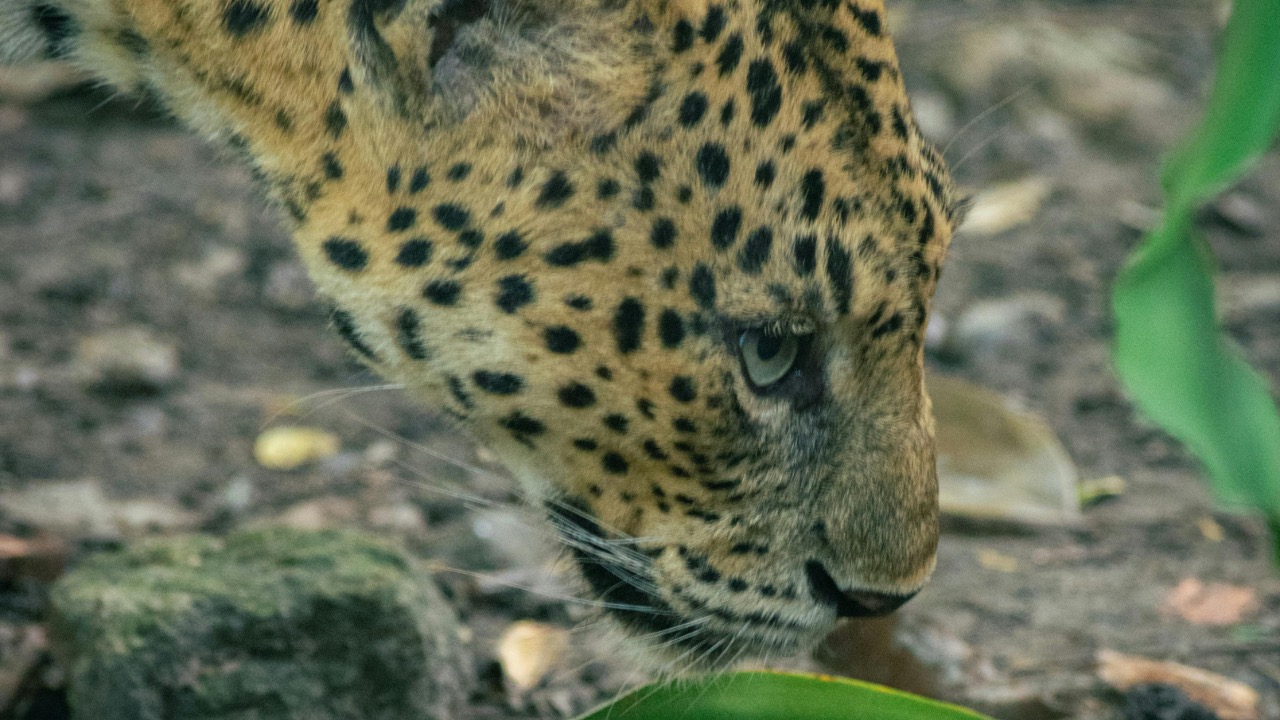
What predators can detect long before humans notice danger
Out in real country, the first sign of trouble usually is not what you see, it is what the animals around you are already reacting to. Long before a storm hits, a predator closes in, or the ground starts to move, wild creatures are picking up faint cues that our dulled city senses miss. If you learn what those cues are, and how different predators use them, you gain a second set of eyes and ears on the landscape that can keep you safer and make you a better hunter, angler, or backcountry traveler.
Predators live or die on their ability to read tiny changes in sound, scent, vibration, and light. I have watched that play out from bear country to big water, and the science backs up what every old-timer already knows: animals are wired to sense danger faster than we are, and they are constantly scanning for it even when everything looks calm.
The predator’s edge: senses tuned past our limits
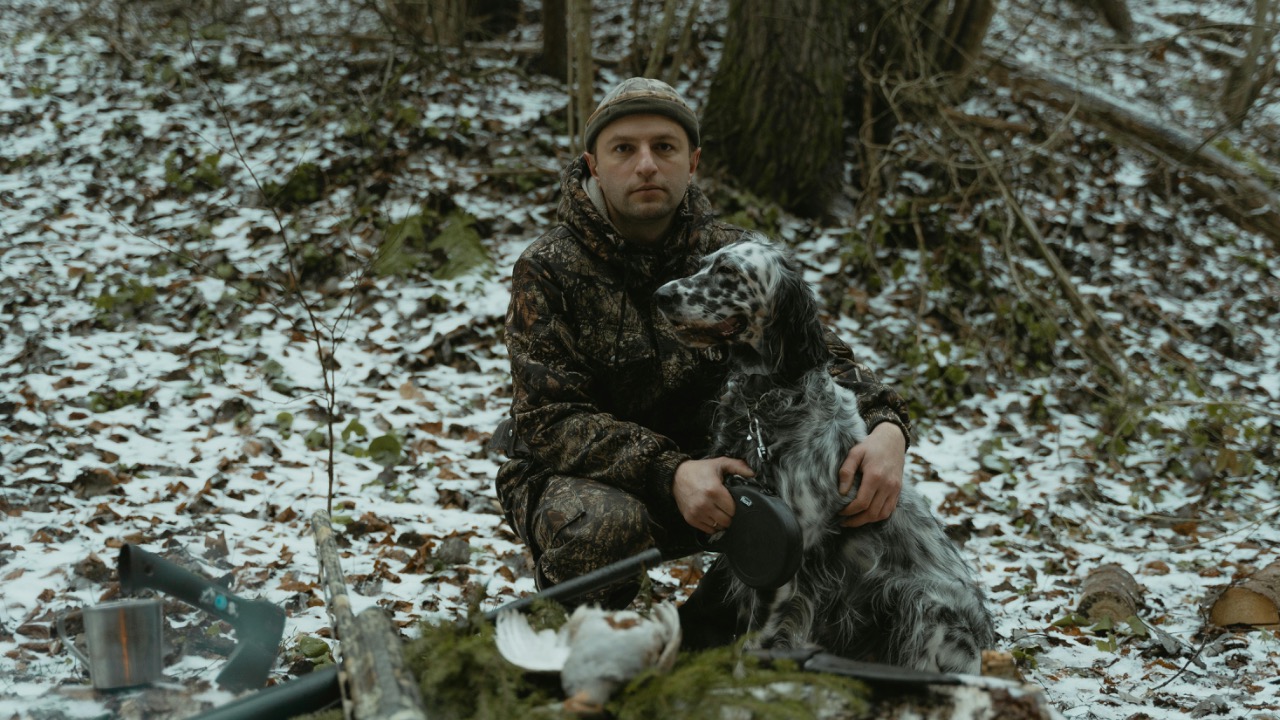
Humans like to think of ourselves as the top of the food chain, but in raw sensory terms we are badly outgunned. Many wild hunters rely on a full suite of sharpened tools, from low light vision to pressure-sensitive skin, to pick up threats and opportunities long before a person would notice anything wrong. Researchers who study Sensory systems in predators point out that the visual, olfactory, auditory, and somatosensory networks all work together, and some species lean mainly or entirely on a single one when they hunt or avoid being hunted themselves.
Field work on how Animals respond to tiny environmental shifts shows that Various species can detect changes in temperature, humidity, barometric pressure, and ground vibration that are far below what a human can consciously register. One research summary even describes using sensor networks to compare animal movement with physical instruments, and the animals often react first when subtle signals hint that a disaster is coming. That same hair-trigger sensitivity is what gives predators their edge when they are closing in on prey or steering clear of bigger trouble.
Reading the air: bears, scent, and the invisible warning system
If you spend any time in big bear country, you learn quickly that your nose is not the one that matters. A detailed breakdown of Black Bears notes that they have a keen sense of hearing and good vision, but their best sense by far is smell, and that they often detect humans before we ever see them. Another explanation of the same behavior, shared under the line JUST “DROP”PING IN TO BE NOSEY, points out that these animals constantly sample the air, swinging their heads and lifting their muzzles to scan scent plumes the way a radar dish sweeps the sky.
To put that into perspective, biologists estimate that a dog’s nose can outperform ours by a factor of 100, and the same report notes that a bear’s olfactory bulb is even more developed than a dog’s. That means a bear can pick up the faintest trace of blood, sweat, or garbage on the wind and sort out what is food, what is a rival, and what is a potential threat. When you see a boar suddenly lift his head and angle away from a drainage that looks fine to you, he may be reacting to a whiff of another predator, a camp, or even a wildfire you will not smell until the smoke is visible.
Eyes in the sky: raptors spotting danger and opportunity
Predatory birds live in a different visual world than we do. A description of Eagles explains that Their eyes are built to catch tiny details and small movements from far away, where a person might see only a blank hillside. Another post on the same theme notes that Where we might scan a valley and miss everything, an eagle circling high above can pick out a mouse, a wounded deer, or a hunter stepping from the timber, all by the slightest flicker of motion or flash of color.
Owls take that visual advantage and mix it with extreme hearing. Work on the Great gray owl shows that this bird can lock onto rodents moving under deep snow by listening for muffled sounds, then plunging straight down and punching through the crust with its legs to snag a meal. A separate account of the Night Hunter Great grey owl describes how it raises its claw, poised to attack a vole, and uses forward-facing eyes and facial discs to funnel sound, then employs this adaptation to its advantage in near darkness, long before a human would even suspect prey was present.
Hearing what we cannot: owls, infrasound, and low-frequency clues
Some predators and large mammals extend their hearing into ranges we never notice. A short explainer on why animals react to danger faster notes that elephants can detect infrasound, the kind of low-frequency rumble that travels through the ground for miles, and use it as an early warning system for storms or distant threats. That same principle applies to big cats and other hunters that key in on low, repetitive noises from herds or moving vehicles, long before the sound rises into the band we recognize as a problem.
Owls again are a good case study. A profile of Great Horned Owl notes that it hunts mainly at night, relying on extraordinary vision and hearing, and that While humans struggle to see in the dark, this bird can pinpoint a mouse under leaves or even beneath snow. When you are in timber at last light and the woods feel quiet, those owls are still tracking every rustle and squeak, and if they suddenly go silent or shift perches, that change can signal a larger predator moving through or a weather shift you have not yet felt on your skin.
Smelling storms and quakes: animals as disaster sensors
Stories about animals sensing earthquakes and storms ahead of time are not campfire myths, they show up in historical records and modern research. A review of animal behavior before earthquakes points back to Greece in 373 BC, when Rats, weasels, and other animals reportedly fled a city days before a major quake. Modern summaries of how While animals probably are not psychic suggest they may be picking up Vibrations and Infra low-frequency sounds, subtle ground movements, or even chemical changes in groundwater that our instruments and senses gloss over.
One overview of While scientists continue to study these triggers notes that many creatures respond to physical, electrical, or chemical changes long before humans do. Another piece on Animals that sense disasters highlights how cows could have a natural ability to detect changes in the Earth’s magnetic field and shift their behavior, and how their instinct to escape danger can show up as restless movement or bunching before a storm. When you see livestock or wild ungulates suddenly bunching, staring in one direction, or heading for higher ground under a blue sky, that is worth your attention.
Sharks and the sixth sense: electricity, pressure, and unseen prey
In the water, predators lean on senses that are almost alien to us. A profile of the oceanic whitetip explains that One of the shark’s key tools is the ability to detect vibrations and pressure in the water, and that They use a lateral line system to feel disturbances from struggling fish or approaching boats. Another breakdown of this ability notes that Sharks are believed to have the strongest electroreception of any animal on the planet, and that Primarily they rely on specialized organs to detect electrochemical fields emitted from paralyzed animals.
Those organs, the ampullae of Lorenzini, are described as jelly-filled canals that can detect minute electric fields from prey and even natural currents in the Earths crust. Another explanation notes that They have small black spots known as the of Lorenzini, Special electro receptor organs that allow them to detect electrical signals even in complete darkness or murky waters. A separate description adds that Every movement of a muscle, including a heartbeat, generates a small electrical field, and that Every one of those signals can be picked up by Specialized pores so sharks can home in on prey in nearly zero visibility. If the baitfish under your kayak suddenly vanish or a shark changes course toward something you cannot see, it is reacting to a world of signals you are blind to.
Always on watch: dolphins and nonstop vigilance
Some predators do not just have sharper senses, they keep them running almost around the clock. Marine biologists have documented that Dolphins can stay constantly alert for more than two weeks by sleeping with only half of their brains, researchers say. A related report on how Dolphins stay awake explains that they rest one hemisphere at a time so they can keep surfacing to breathe and continue scanning for predators or prey.
That kind of nonstop vigilance means a pod can react to danger almost instantly. If you watch how they behave around boats, you will see them shift formation, tighten up, or peel away from an area long before a person notices a change in swell, current, or the presence of a large shark. A video breakdown of how animals sense disasters points out that when your dog looks nervous you might want to pay attention, and the same logic applies offshore, where a sudden change in dolphin behavior can be an early clue that something is off in the water around you, as explained in one segment on marine animals and danger.
From barnyard to backcountry: everyday animals as early alarms
You do not have to be in a shark cage or a grizzly basin to benefit from animal early warnings. A rundown of Feb reports on 8 animals that sense natural disasters before humans do notes that Animals unique abilities to predict natural disasters have amazed scientists, and that cows, dogs, and birds often show restless or escape behavior before quakes, tsunamis, or storms. Another explainer on how How animals sense disasters paints the picture of a calm blue sky and still wind while your dog suddenly paces, whines, or refuses to settle, hinting at pressure changes or distant thunder you have not yet heard.
Even basic Q and A discussions on whether animals sense danger before humans do tend to land in the same place. One answer framed around Nov notes that Certainly many species can sense danger better and quicker than the human animal by way of their superior five senses. When you are glassing a valley and the songbirds all go quiet at once, or the barnyard goes from noisy to dead still, that is the kind of pattern seasoned hunters and farmers learn to respect, whether it signals a hawk overhead, a coyote slipping the fence, or a storm building over the ridge.
Turning wild instincts into human awareness
The real trick is not proving that animals sense danger early, it is learning how to read what they are telling you. A project that tracks collars and tags on wildlife notes that Evidence is mounting that animals perceive impending disasters earlier than humans with their measuring equipment, and that their movements could form a natural warning system. Another teaching resource on what unusual behavior indicates explains that What this behaviour indicates is Sensitivity to Environmental Changes, and that Animals can act as an Early Warn sign that a disaster might be imminent.
On the ground, that means paying attention when the woods or water feel “off.” If the squirrels vanish from a patch of timber, the crows start mobbing a single tree, or the deer you have been watching suddenly lock onto one direction and freeze, they may be picking up scent, sound, or vibration from a predator you have not yet noticed. Even casual posts about Untitled bear sightings in popular valleys remind hikers that those animals usually know we are there before we see them. If you treat every sudden shift in wild behavior as data instead of background noise, you start to tap into the same early warning network predators have relied on for a very long time.

Asher was raised in the woods and on the water, and it shows. He’s logged more hours behind a rifle and under a heavy pack than most men twice his age.


