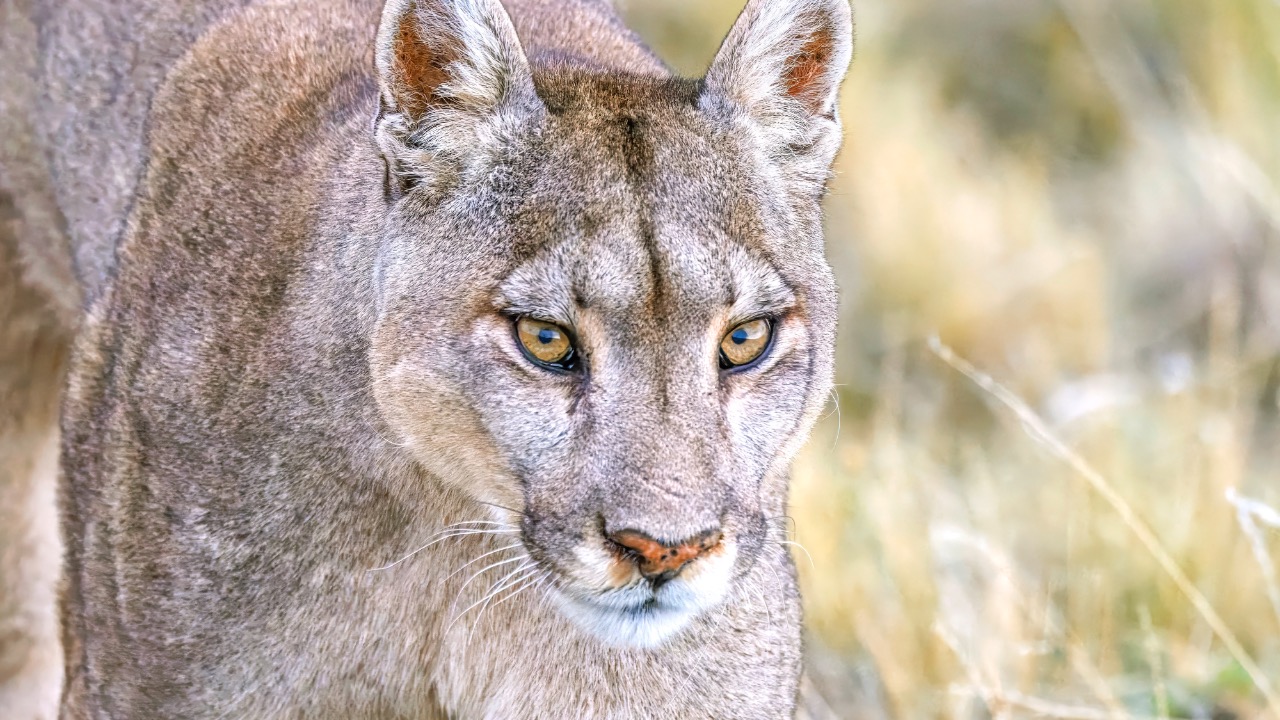
Big cats of North America and why their names confuse people
North America’s wild cats are relatively few in number, yet their names create a tangle of confusion that stretches from science labs to social media comment threads. The same animal can be called cougar, puma, mountain lion, panther, or catamount, while different species are casually lumped together as “lynx” or “panther” even when they are not. I want to untangle that naming mess, explain which big cats actually live on the continent, and show how history, language, and pop culture turned a small group of species into a surprisingly complicated vocabulary test.
How many “big cats” does North America really have?
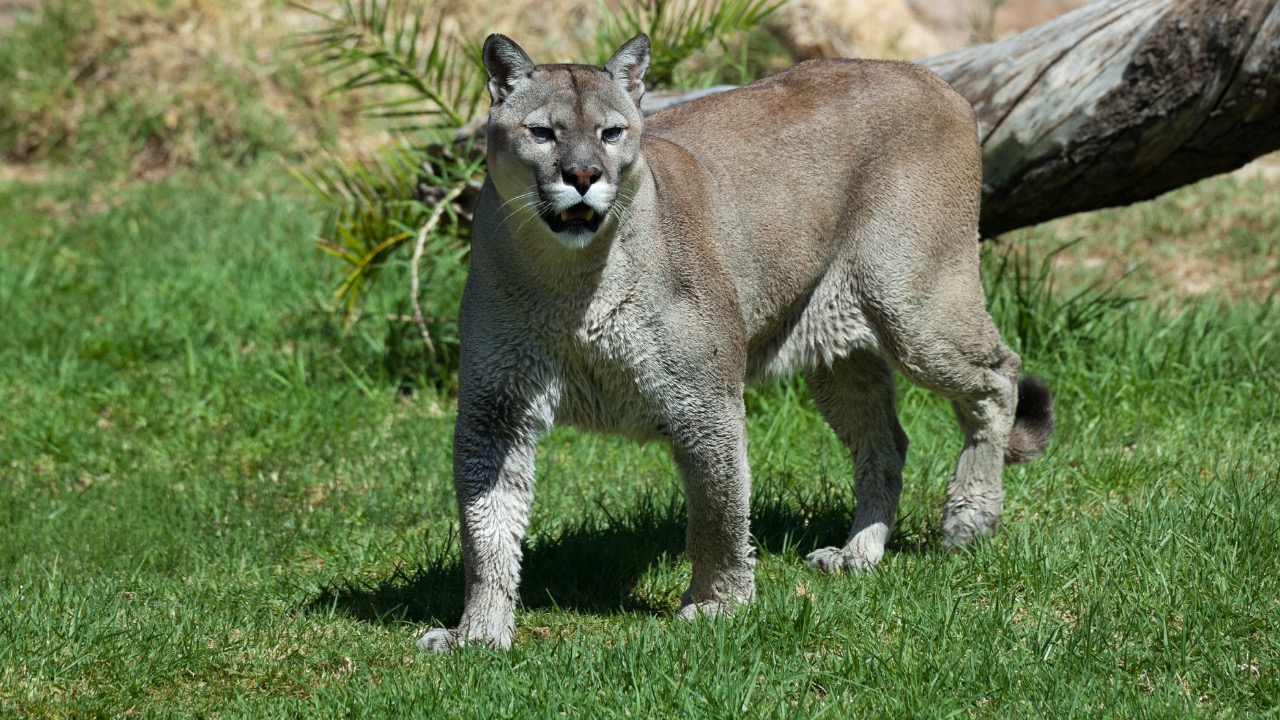
When people talk about “big cats” in North America, they often imagine a whole menagerie of lions, tigers, and mysterious black panthers lurking in the woods. In reality, the continent has a short list of native wild felines, and only one of them fits the classic biological definition of a big cat that can roar. Jaguars are the only big cat species in the New World, and they are found in South America, Central America, and parts of North America, where they are described as the largest cats on both continents and the only big cat species in this entire region of the globe, the New World and beyond.
Alongside jaguars, North America is home to several smaller wild cats that still loom large in public imagination. A detailed overview of regional species notes that the bobcat is the most abundant wild cat in the United States, and that these bobcats often get confused with lynxes because the two share similar tufted ears and short tails, even though they are distinct species, as explained in a guide to what wild cats live in North America that lists the bobcat and the Lynx separately. Add in the wide ranging mountain lion, which is biologically a large cat but not a roaring “big cat,” and the stage is set for a naming problem where size, taxonomy, and folklore all collide.
Cougar, puma, mountain lion: one cat, many labels
The most confusing player in this story is the animal scientists call Puma concolor, a single species that has accumulated a small dictionary of common names. Wildlife educators point out that this cat is known as mountain lion, puma, cougar, and panther, and that it carries more names than almost any other mammal in the Americas, a fact highlighted in an overview that asks “What’s in a name?” while describing how these labels all refer to the same animal, from rugged western ranges to southern Florida’s swamps where a local population is called the Florida panther, as noted in the ABOUT section on mountain lions.
That explosion of terminology is not just a modern quirk, it reflects the cat’s enormous geographic reach. One analysis of naming traditions notes that mountain lions have the largest geographic range of any wild land mammal in the Western Hemisphere, stretching from Canada to the tip of South America, and that this vast territory helped generate a long list of regional names, a point underscored in a discussion of the difference between cougars, pumas, panthers, and mountain lions that emphasizes how far these cats roam from the northern Rockies to Patagonia, as described in a piece that begins with the word Did. When one species spans so many cultures and languages, it is almost inevitable that people will keep inventing new names for the same animal.
Why “panther” might mean three different things
If there is one word that guarantees confusion in North American cat talk, it is “panther.” In some regions, especially in the Southeast, people use panther as a casual synonym for mountain lion, even though the animal in question is still Puma concolor. A language-focused analysis of this terminology notes that when English speakers first arrived and encountered familiar animals like Canis lupus, they immediately called it a wolf, but when they met unfamiliar cats they borrowed and adapted Indigenous and European words, which helped create a wealth of names for them, including panther, as described in a piece that opens with the phrase When English and goes on to explain how colonists handled Canis and other species.
Modern wildlife communicators still have to untangle that legacy. One detailed explainer notes that the term panther can refer to mountain lions in casual speech, but that “black panthers” are always leopards or jaguars with a dark coat, not cougars, and that this distinction matters when people report sightings or discuss conservation, as clarified in a breakdown of the difference between mountain lion, cougar, and panther that stresses how the word panther is used in different contexts and why black panthers are actually melanistic leopards or jaguars, a point made explicitly in an Apr feature. When one label can mean a Florida subspecies of cougar, a spotted jaguar, or a fictional black cat that does not exist in local forests, misunderstandings are almost guaranteed.
Florida panther: subspecies, symbol, and semantic trap
Nowhere is the naming tangle more visible than in Florida, where the term “Florida panther” has become both a scientific designation and a cultural emblem. In that state, the animal people call a panther is actually a regional subspecies of the mountain lion, and local observers emphasize that a Florida panther is a subspecies of the mountain lion that is simply called by a different name but has the same scientific identity, a point made directly in a discussion of mountain lion sightings where one commenter explains that the Florida panther label reflects geography rather than a separate species, as noted in a post that mentions Florida and the single true definition of a panther.
That same conversation highlights another layer of confusion, the difference between roaring big cats and the quieter mountain lion clan. The commenter stresses that there is one true definition of a panther as a big cat that can roar, and that if a cat cannot roar it is not a panther in the strict sense, which would exclude Puma concolor from the roaring big cat club even though it is often labeled a panther in Florida and beyond, as that same Chris Benedict comment explains. The result is a semantic trap where residents, scientists, and online commenters can all be “right” in different ways, depending on whether they are speaking the language of local tradition, formal taxonomy, or big cat vocal anatomy.
Cougar: the cat with dozens of English names
Even if we set panthers aside, the cougar’s naming story is unusually crowded. Wildlife educators and rescue groups describe the cougar as one of the most widely named animals in the world, and one outreach post notes that there are about 40 other names for a cougar in English alone, a figure that captures just how many regional nicknames and historical terms have attached themselves to this single species, as highlighted in a social media update titled “The Many Names of the Cougar” that emphasizes how often people rename this cat and tags the message with Many Names of.
That long list is not just trivia, it shapes how people perceive the animal. A separate educational piece on naming notes that cougars have a historical range covering the entire Western Hemisphere, and that this broad distribution helped generate names like cougar, mountain lion, puma, and catamount, each tied to different communities and languages, as explained in a reflection on why there are so many names for this cat that lists “Cougar. Mountain Lion. Puma.” in quick succession and then asks why the vocabulary is so crowded, a question posed in the Cat by any other name discussion. When a single species can be introduced to schoolchildren under one label, to hunters under another, and to hikers under a third, it is no surprise that the public often thinks these are three different cats.
Bobcat versus lynx: small cats, big misunderstandings
Confusion is not limited to the largest felines. At the smaller end of the spectrum, bobcats and lynxes are frequently mistaken for one another, even though they occupy different ecological niches and have distinct physical traits. A guide to North American wild cats explains that the bobcat is the most abundant wild cat in the United States and notes that these bobcats often get confused with lynxes because of their similar appearance, especially their tufted ears and short tails, even though the guide clearly separates the bobcat entry from the one labeled Bobcat and then “Lynx” as a different species.
Part of the problem is that “lynx” functions both as a specific species name and as a casual label for any tufted-eared wild cat. In some regions, people refer to any medium sized wild cat as a lynx, regardless of whether it is actually a Canada lynx or a bobcat, which blurs the line between species in public conversation. When field guides and educational materials have to spend their first paragraphs explaining that the bobcat is not simply a small lynx, it mirrors the same pattern seen with cougars and panthers, where overlapping common names obscure the underlying biology and make it harder for the public to track which animals are thriving and which are at risk.
Jaguars and the myth of the “American leopard”
Jaguars add another twist to the naming puzzle because they are sometimes misidentified as leopards in North American stories, even though leopards are not native to the Americas. Conservation messaging stresses that jaguars are the largest cats in North and South America and that they are the only big cat species in this part of the world, a point that directly contradicts the casual habit of calling any spotted big cat a leopard, as highlighted in a zoo update that describes how jaguars are the only big cat species in the New World and that they range across South America, Central America, and parts of North America, including the United States, where they are occasionally seen near the border, as noted in a post that begins with the word Jaguars.
The confusion deepens when people talk about black panthers, which in the Americas are actually melanistic jaguars, not a separate species. As other explainers on panther terminology note, black panthers are always leopards or jaguars with a dark coat, never cougars, which means that any report of a “black panther” in North America is either a jaguar, an escaped exotic cat, or a misidentified animal. When the public uses leopard, jaguar, and panther interchangeably, it becomes harder to communicate the specific conservation needs of jaguars, which face different threats and habitat pressures than the more adaptable mountain lion.
How colonists and languages multiplied cat names
The roots of today’s naming confusion stretch back to the first encounters between European colonists and North America’s wildlife. A linguistic analysis of these encounters notes that when English speaking colonists arrived and saw familiar animals like Canis lupus, they immediately labeled them “wolf,” but when they met unfamiliar cats they had no ready made English words, so they borrowed from Indigenous languages, Latin, and European terms, which produced a wealth of overlapping names for the same species, as described in a piece that traces how colonists handled Colonists, Canis, and the cats they met.
That historical layering helps explain why modern English speakers can talk about cougars, pumas, and mountain lions as if they were separate animals. A social media discussion of naming traditions points out that with its vast range across the length of the Americas, Puma concolor has dozens of names and various references in the mythology of different cultures, and that there are about 40 names in English alone for this one species, as emphasized in a post that notes the cat’s range across the Americas and the sheer number of English nicknames. When centuries of translation, folklore, and regional slang pile up on top of scientific Latin, the result is a naming system that feels more like a patchwork quilt than a tidy field guide.
Why the names matter for science, safety, and storytelling
It might be tempting to treat all of this as a harmless vocabulary game, but the stakes are higher than they look. When residents report a “panther” near a neighborhood, wildlife officers have to parse whether they are dealing with a mountain lion, a Florida panther subspecies, or a misidentified bobcat, and that distinction affects how they respond and what they tell the public. Educational resources that ask “What’s in a name?” when describing mountain lions, pumas, cougars, and panthers are not just being poetic, they are trying to make sure that people understand that these labels point to the same species and that conservation policies for one name apply to all of them, as the Mountain lion overview makes clear.
Clear naming also shapes how stories about these cats travel online. A blog that asks why cougars have so many names and lists “Cougar. Mountain Lion. Puma.” in quick succession is trying to correct the impression that these are three different animals, while a social media post that celebrates the many names of the cougar and mentions roughly 40 English nicknames is leaning into the same point from a more playful angle, as seen in the Mountain Lion and Did resources. When I look across these reports, I see a consistent message: the names may be confusing, but understanding them is essential if we want to keep North America’s big cats, and the smaller ones that share their landscapes, both accurately described and effectively protected.

Asher was raised in the woods and on the water, and it shows. He’s logged more hours behind a rifle and under a heavy pack than most men twice his age.