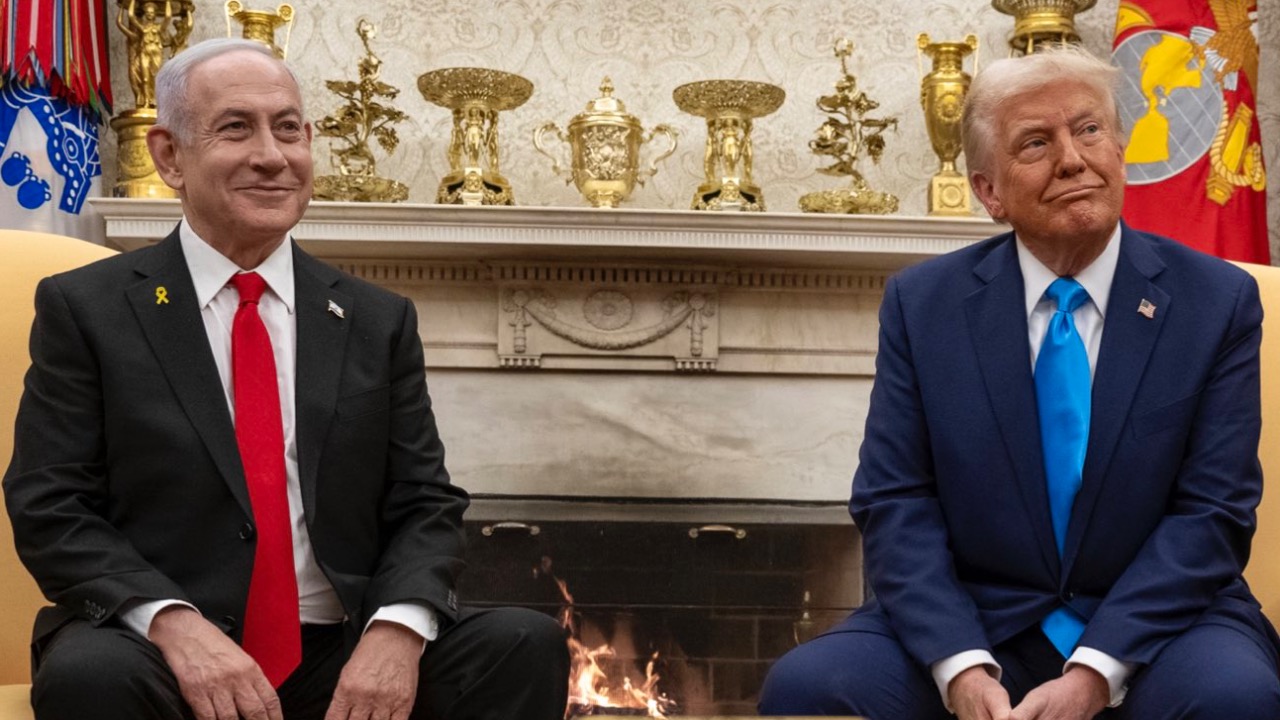
U.S. approves billions in new arms sales to Israel and Saudi Arabia
The Trump administration has signed off on a sweeping new round of weapons deals for Israel and Saudi Arabia, locking in a combined package worth roughly $15.7 billion and deepening U.S. involvement in two of the Middle East’s most combustible security relationships. The approvals cover advanced attack helicopters, air defense systems, and fighter sustainment, and they arrive as Washington leans harder into an “America First” approach that treats arms transfers as both a strategic tool and an industrial policy lever. Together, the moves signal that President Donald Trump is prepared to absorb political blowback at home in order to keep key partners heavily armed.
The scale and timing of the sales matter. Israel is still engaged in a grinding campaign against Hamas, while Saudi Arabia is trying to harden its air defenses and modernize its air force amid tensions with Iran. By greenlighting billions of dollars in new hardware, the United States is not only reinforcing long standing alliances, it is also shaping the region’s military balance for years to come and testing the limits of congressional oversight.
How the $15.7 billion package breaks down
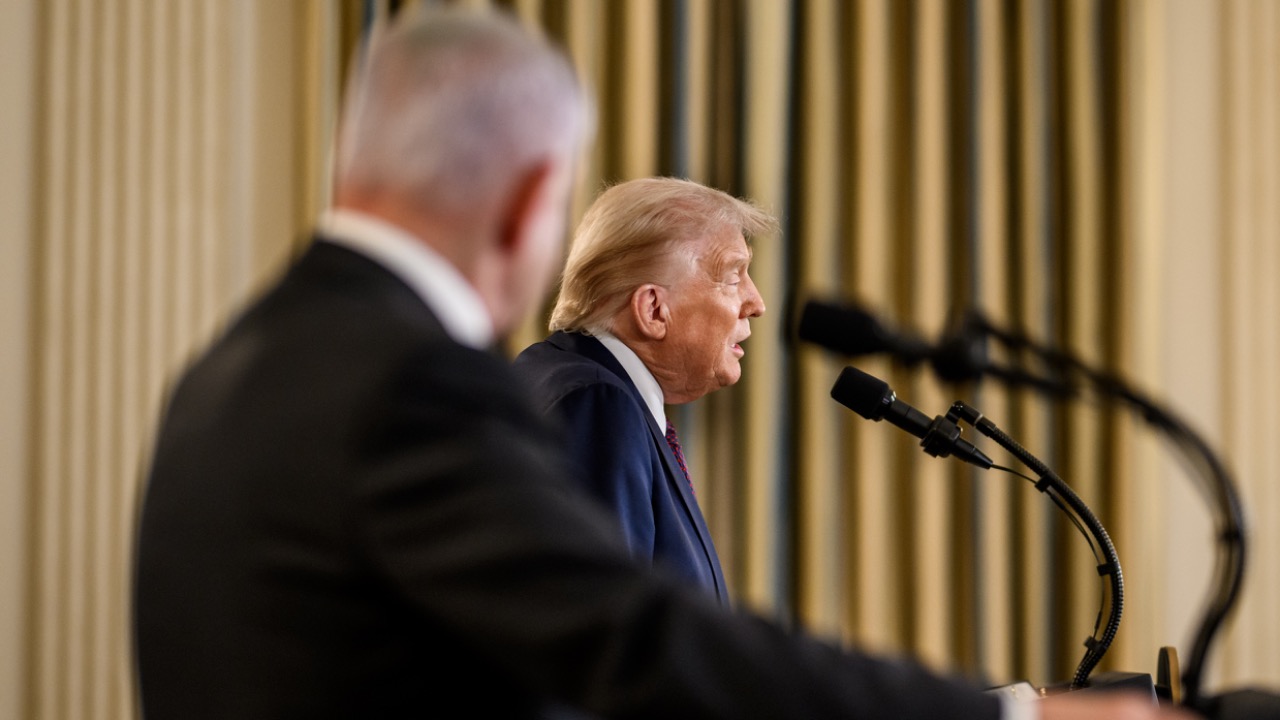
At the core of the latest decisions is a set of proposed Foreign Military Sales that U.S. officials value at $15.7 billion for Saudi Arabia and Israe combined, a figure that underscores how central both countries remain to American security planning in the Gulf and the Levant. The State Department’s notifications describe a cluster of separate cases, including a multibillion dollar air defense upgrade for Riyadh and a major expansion of Israel’s rotary wing and ground mobility fleets, all bundled into a single wave of approvals that landed on Capitol Hill within days of each other. That total, which officials have presented as part of a broader regional strategy, reflects not only the hardware itself but also training, support, and long term sustainment baked into the contracts, according to a Quick Summary.
On the procedural side, the approvals flow through the Defense Security Cooperation Agency, which publicly lists each major notification once The State Department has made a determination that a proposed Foreign Military Sale to a partner Gov is consistent with U.S. interests. In late January, DSCA notices out of WASHINGTON detailed the new cases for Israel and Saudi Arabia, signaling that the administration had completed its internal review and sent the required certification notifying Congress of its intent to proceed. The agency’s major sales page and a more detailed notice that begins “WASHINGTON, January 30, 2026” both frame the deals as part of a routine process, even as the political context around them is anything but routine, as reflected in the language of Foreign Military Sale notifications.
Inside Israel’s $6.7 billion wish list
For Israel, the centerpiece of the new approvals is a package valued at $6.7 billion that significantly expands its attack helicopter and tactical vehicle fleets, reinforcing its ability to conduct high intensity operations in Gaza and prepare for potential escalation with Hezbollah. The Israeli request includes 30 AH 64E Apache helicopters, associated munitions, and a large batch of Joint Light Tactical Vehicles, along with training and logistics support that will tie the Israel Defense Forces even more tightly into U.S. supply chains. Analysts note that the Apache fleet in particular is central to Israel’s doctrine for close air support and deep strike missions, and the new aircraft will replace older airframes while adding capacity, according to detailed breakdowns of $6.7 billion in new weapon sales.
U.S. officials have framed the Israeli package as a way to ensure that The Israeli military maintains its qualitative edge over regional adversaries, a long standing pillar of American policy. The State Departmen has already notified Congress of the $6.7 billion arms sale, and Israeli media have highlighted that the deal sits alongside a separate $9 billion Patriot missile arrangement for Saudis as part of a broader regional calculus. Domestic debate in the United States has been intense, with some lawmakers arguing that the scale of support risks entangling Washington more deeply in Israel’s current campaign, even as others insist that Israel must have what it needs to defeat Hamas, as reflected in coverage by Times of Israel.
Saudi Arabia’s Patriot upgrade and air force sustainment
On the Saudi side, the headline item is a potential $9 billion sale of Patriot missiles that would significantly bolster the kingdom’s ability to intercept ballistic and cruise threats. The State Department has approved the prospective transfer of Patriot PAC 3 Missile Segment Enhancement interceptors, launchers, and associated equipment to Saudi Arabia, describing it as a move that will improve the country’s air and missile defense readiness against regional adversaries. The notification stresses that the sale will not alter the basic military balance in the region, but it will replenish and modernize a system that has been heavily used in recent years, according to a detailed $9 billion breakdown.
Beyond air defense, Washington has also cleared a separate sustainment package for The Royal Saudi Air Force’s F 15 fleet, a deal worth roughly $3 billion that covers maintenance, spare parts, and technical support. U.S. officials argue that keeping Saudi Arabia’s F 15s fully mission capable is essential to regional deterrence and to joint operations with American forces, particularly as Riyadh continues to modernize its air arm. Reporting on the sustainment case notes that it fits into a pattern of recent arms procurement by the kingdom, with Christine Casimiro’s coverage highlighting how the F 15 support dovetails with other modernization efforts described in F 15 sustainment and follow on details about The Royal fleet in a related Recent Arms summary.
Patriot PAC-3 missiles and the air defense race
The Patriot component of the Saudi package is particularly significant because it plugs directly into a broader regional race to field more capable air and missile defenses. The State Department’s notification describes the transfer of Patriot PAC 3 Missile Segment Enhancement rounds, launchers, and support gear to Saudi Arabia, emphasizing that the system is designed to counter advanced ballistic threats. Analysts point out that the PAC 3 MSE variant offers improved range and hit to kill performance compared with earlier versions, which is why Riyadh has prioritized it as part of its response to Iranian missile and drone capabilities, a point underscored in technical reporting on the PAC 3 sale.
U.S. officials have been careful to stress that the Patriot sale is defensive in nature, with The Pentagon explicitly stating that the transfer would not alter the military balance of power in the region and would not have any adverse impact on U.S. defense readiness. That language is meant to reassure both Congress and neighboring states that the deal is about protecting Saudi cities and infrastructure rather than enabling offensive operations. Detailed accounts of the notification process note that the State Department’s approval came in late January and that the package includes training and support for Saudi operators, as described in overlapping coverage by Reuters, a more granular technical note from The Defen, and a follow on analysis that notes how the U.S. State Department approved the potential $9 billion sale of Patriot missiles to Saudi Arabia in late January 2026 and highlighted the PAC 3 MSE missiles in a separate State Department focused brief.
Trump’s America First arms transfer strategy
The timing of the Israel and Saudi approvals is not accidental, it aligns with President Donald Trump’s decision to formalize an “America First” approach to arms exports. Earlier this month, The White House announced that Trump had signed an Executive Order titled REINDUSTRIALIZING AMERICA THROUGH ARMS TRANSFERS, which explicitly links U.S. weapons sales to domestic manufacturing jobs and the broader National Security Strategy. The fact sheet describes ARMS TRANSFERS as a tool for both strengthening allies and reindustrializing the American defense base, signaling that the administration sees foreign military sales as a pillar of economic policy as much as foreign policy, according to the language laid out in the new Arms Transfer strategy.
That framing helps explain why the administration has been willing to push aggressively on controversial transfers, even when they draw criticism from human rights advocates and some members of Congress. The America First doctrine treats arms deals as a way to cement long term relationships with key partners like Israel and Saudi Arabia while also driving production at U.S. factories that build systems such as Patriot, Apache helicopters, and advanced munitions. In that sense, the $15.7 billion in proposed sales are not just about shoring up allies in the face of Iran and other threats, they are also a test case for how far the White House can go in using export policy to execute the National Security Strategy, as spelled out in the broader The White House guidance.
Bypassing and pressuring Congress on Israel aid
The Israel portion of the package has also become a flashpoint in the long running tug of war between the executive branch and Congress over who controls U.S. arms exports. Trump Officials Bypass Congress has become a recurring theme in this administration’s approach to Weapons Aid for Israel, with the latest move described as the third time Trump has used emergency or expedited authorities to Push Billions in support without going through the usual full review process. Reporting on the internal deliberations suggests that Trump and his advisers see the current conflict as justification for moving quickly, even if that means sidelining lawmakers who want more say over which systems are transferred and under what conditions, as detailed in accounts of how officials chose to bypass Congress.
In parallel, a more detailed account of the same episode, framed under the banner Trump Officials Bypass Congress to Push Billions in Weapons Aid to Israel, notes that the administration has bundled the $6.7 billion helicopter and vehicle package with other support, including AH 64E helicopters valued at $3.8 billion, to maximize the impact of the emergency move. Critics in Congress argue that this pattern undermines the legislature’s constitutional role and risks entrenching U.S. complicity in operations that have drawn international scrutiny, while supporters counter that Israel’s security needs are too urgent for procedural delays. The tension is captured in the way some lawmakers describe the administration’s decision to Push Billions in aid as both strategically understandable and procedurally troubling, a duality that runs through the more expansive Trump Officials Bypass narrative.
Domestic backlash and support in Washington
Reactions in WASHINGTON to the new sales have been sharply divided, especially around the $6.7 billion in additional weapons for Israel. The Trump administration has moved to approve $6.7 billion in new arms sales to Israel at a moment when images from Gaza are fueling protests on U.S. streets and on college campuses, and that timing has intensified scrutiny. Some Democrats, including Representative Gregory Meeks, the ranking member on the House Foreign Affairs Committee, have warned that Congress risks being seen as simply a rubber stamp if it does not more aggressively question the transfers, even as senior figures like Senate Majority Leader Chuck Schumer publicly defend the policy of arming Israel, as reflected in coverage that notes how The Trump team is pressing ahead despite criticism from Meeks and others in The Trump debate.
On the Saudi side, the political reaction has been somewhat more muted but still contentious, with critics pointing to Riyadh’s human rights record and its past conduct in Yemen. The Pentagon has tried to blunt that criticism by emphasizing that the Patriot and F 15 sustainment deals are defensive and will not alter the regional balance, language that appears in multiple official notifications. A detailed account of the Saudi equipment sale notes that The Pentagon explicitly stated that the sale would not alter the military balance of power in the region, nor would it have any adverse impact on U.S. defense readiness, a formulation clearly designed to reassure skeptical lawmakers and the public, as described in a focused Pentagon summary.

Asher was raised in the woods and on the water, and it shows. He’s logged more hours behind a rifle and under a heavy pack than most men twice his age.