Why some pocket knives earn lifelong loyalty
Pocket knives are among the few tools that routinely outlast the phones, cars and even jobs that surround them. For many owners, one folder becomes a constant in a shifting life, a small piece of steel and handle material that earns a permanent place in the pocket. I want to understand why certain designs and brands inspire that kind of lifelong loyalty, and how materials, history, psychology and customer service all converge to turn a simple cutting tool into a trusted companion.
From century old French folders to modern titanium frame locks, the knives that people refuse to give up tend to share a few traits. They work every time, they feel personal, and they connect the owner to a wider culture of self reliance and craft. The reporting and community voices around the knife world show how durability, design innovation and even warranty policies quietly shape which blades become heirlooms and which end up forgotten in a drawer.
The everyday carry promise that hooks people early
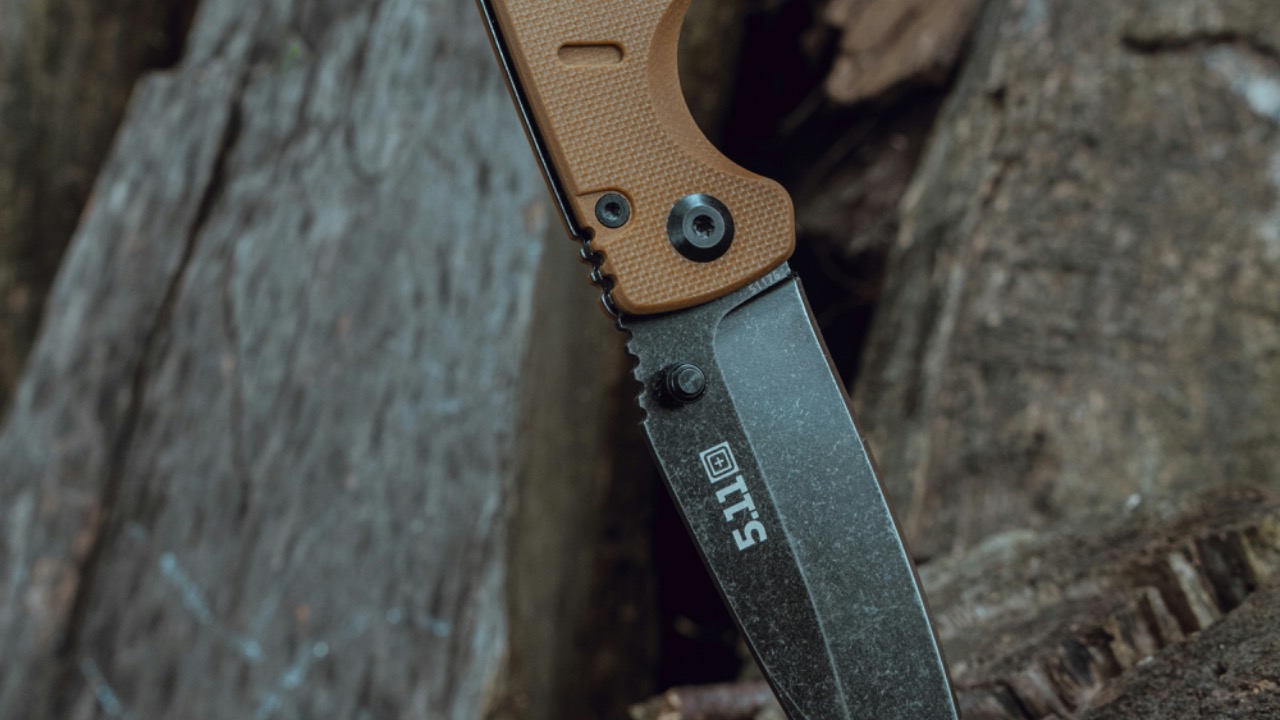
For many modern users, loyalty starts with the idea of everyday carry, or EDC, the belief that a small set of tools can make daily life smoother and more self sufficient. Advocates describe EDC as a philosophy of being prepared for small tasks, from opening packages to cutting loose threads, and they explicitly frame a pocket knife as central to that mindset, a point that The Philosophy of one prominent gear blog leans on. When a knife is used dozens of times a week for these mundane jobs, it stops feeling like an accessory and starts to feel like part of how a person moves through the world.
That constant presence is why some owners describe their knife as a faithful companion slipped into their pocket or clipped to a belt, a tool that does far more than cut food and instead follows them through work, travel and family life, as one maker of everyday eating knives puts it in its description of a faithful companion. Once a knife is woven into that daily rhythm, replacing it feels less like upgrading a tool and more like disrupting a habit, which is a powerful foundation for long term brand and model loyalty.
Durability and materials that justify trust
Durability is the most obvious reason a pocket knife can stay in service for decades, and it is not just marketing language. Guides to everyday carry tools emphasize that high quality pocket knives made from durable materials can literally last for generations, arguing that a well made blade will hold up to years of cutting tasks without failing, a claim backed by one manufacturer that highlights Durability as a core benefit. When a knife survives hard use without loosening, chipping or rusting, the owner’s confidence grows with every task, and that confidence is hard to transfer to a new purchase.
Steel choice is central to that equation. Technical breakdowns of folding knives point out that high quality folding knives are typically made from premium steel, listing D2 Steel as one example that is Known for excellent edge retention, while other alloys prioritize corrosion resistance and toughness. Some makers of Sandvik based blades go further and say that in every knife they create, their goal is to blend innovation with tradition, resulting in tools that exceed expectations, a philosophy they spell out in their discussion of In every knife. When owners see that a blade keeps cutting cleanly year after year, the steel spec on the box becomes a shorthand for reliability, and they often stick with that recipe.
Design icons that become cultural touchstones
Some pocket knives earn loyalty not just through performance but by becoming design icons in their own right. Histories of the category note that certain silhouettes and mechanisms have become instantly recognizable, with automated machining and laser cutting technology helping makers produce consistent, high quality finishes that allow the Pocket Knife to become a cultural reference point in different societies, a trend traced in one analysis of Automated production. When a knife’s outline is enough to signal a certain lifestyle or set of values, owners often feel they are carrying a small piece of that story.
One of the clearest examples is Opinel. Historical overviews point out that Opinel, Founded in 1890, began producing its now famous folding knives in France that year, turning a simple peasant tool into a national symbol, a timeline laid out in a history that notes Opinel and its origins In France. The company itself describes the iconic Opinel No.08 as Both smart and simple, composed of five elements, including a rotating ferrule that was added in 1955, a detail it highlights in its breakdown of Both. When a design remains essentially unchanged for generations yet still feels relevant, owners often treat it less like gear and more like a small piece of industrial heritage.
Innovation that solves real problems
While tradition matters, many of the most beloved pocket knives earned their following by solving specific functional problems in new ways. Spyderco is a textbook case. Histories of the brand explain how Spyderco introduced a distinctive round opening hole in the blade, known as the Spyderhole, to allow easy one handed opening, a feature that turned out to be transformative for working users, as described in a buyer’s guide that calls Spyderco an iconic innovator. A separate historical profile reinforces that narrative by tracing the history of Spyderco and its role in pushing modern folding knife design forward, a story captured in a piece focused on Spyderco. When a feature like the Spyderhole becomes synonymous with speed and convenience, users often stick with it because switching means retraining muscle memory.
Innovation is not limited to opening methods. Some brands focus on monolithic handle construction or unique locking systems that feel more solid in hand. One example is Lionsteel Knives, whose SR1 series uses a green textured monolithic aluminum frame and a satin finished blade, and whose commitment to this kind of engineering has produced a loyal following of knife collectors and users around the world, according to a product description that credits Lionsteel Knives. When a design feels mechanically superior and distinct, owners often become evangelists, recommending the same mechanism to friends and returning to it when they buy their next knife.
Brands that build reputations over generations
Beyond individual models, entire brands earn loyalty by delivering consistent quality and cultivating a clear identity over decades. Retail listings of mainstream pocket knives highlight that Gerber, Kobalt and Case Cutlery are among the most popular Pocket Knife brands, a snapshot of the mass market that appears in a big box store’s overview of Gerber, Kobalt and. At the enthusiast end, Buck Knives is often cited as an American legacy, with profiles describing Buck Knives as an American legacy brand that helped define the modern hunting and folding knife market, language that appears in a feature on Buck Knives. When a name has been on belt sheaths and in tackle boxes for multiple generations, buyers often default to it out of a sense of continuity.
Some companies lean into that heritage by turning their products into keepsakes. One retailer offers Wholesale memory forge personalized keepsake Buck knife options, explicitly positioning a Buck folder as a functional memento that can be engraved and gifted, a pitch spelled out in its description of a Wholesale Buck keepsake. Other makers, like the Australian firm behind the Magpie, Crow and Kookaburra pocket knives, emphasize Longevity and Durability, noting that these models are built to last a lifetime with blades crafted from 14C steel to make them as durable as possible, a claim they make in a discussion of Longevity and Durability. When a brand’s story is intertwined with ideas of legacy and gifting, owners often feel they are part of something larger than a single purchase.
Customer service and warranties that turn buyers into lifers
Even the best made knives occasionally fail, and how a company responds can cement or destroy loyalty. Warranty policies are one of the clearest signals. TOPS Folding Knives, for instance, are guaranteed to be free from defects in materials and workmanship for a period of five years from the date of original purchase, a promise spelled out in the company’s warranty for TOPS Folding Knives. That kind of explicit commitment reassures buyers that the company will stand behind its products, which makes it easier to justify spending more on a knife that might otherwise feel like a luxury.
Real world stories show how service can convert a satisfied customer into a lifelong advocate. In one widely shared account, a knife owner describes how TOPS Knives handled a problem so well that he told them they already had a customer for life in him, and that after how well they took care of his situation, he was even more committed, a sentiment captured in a Reddit post about how TOPS earned a lifetime loyal customer. Another profile of the brand frames TOPS Knives as a company that has shaped the lives and experiences of countless individuals and expresses the hope that it will continue to innovate and inspire for generations to come, a tribute that closes with a toast of Here is to TOPS Knives and the wish that they May the brand keep pushing forward, language that appears in a celebratory piece on Here. When owners see a company respond quickly and generously, they often repay that respect with repeat purchases and word of mouth recommendations.
The psychology of attachment and identity
Beyond steel and service, there is a psychological dimension to why some pocket knives become irreplaceable. Commenters in enthusiast spaces admit that part of the appeal is simply aesthetic, with one Comments Section joking that Shiny nice. Must have shiny. More shiny more happy. Some shiny different colour. Shiny nice, while others talk about Tinkering and the pleasure of adjusting and customizing a knife, sentiments captured in a Reddit thread whose Comments Section revels in Shiny and the urge that one Must indulge in More and Some variations. That mix of visual appeal and mechanical play turns a knife into a hobby object, not just a tool.
Psychological analyses of knife ownership go further, arguing that this emotional connection can evoke nostalgia, making the knife a treasured possession, and that pocket knives function as a Symbol of Self reliance in a world increasingly defined by convenience, with the tool symbolizing self sufficiency and preparedness, a framing laid out in a discussion of Symbol of Self Reliance In modern life. When a knife is tied to memories of a first camping trip, a relative who gifted it, or a personal commitment to being prepared, it becomes part of the owner’s identity, which makes switching brands feel like more than a simple transaction.
Communities that reinforce brand loyalty
Knife culture does not exist in a vacuum, and the communities that form around certain brands and models play a major role in cementing loyalty. One manufacturer notes that those who like pocket knives create a vibrant, passionate community beyond mere tool appreciation, with Online forums, social media groups and meetups where people share photos, modifications and stories, a dynamic described in its look at Online knife culture. When a person buys into a brand that already has a strong community, they gain not just a tool but a network of peers who validate their choice.
That social reinforcement can be seen in discussions of multitool loyalty as well. One essay on brand loyalty argues that Being loyal to any brand involves a certain degree of trust, and that this trust is not obtained through gimmicks and tricks but is earned through consistent performance and honest communication, a point made in a reflection on Being loyal to a toolmaker. When owners see others praising the same knife for years, posting photos of well worn blades and swapping maintenance tips, they are more likely to stick with that model and brand, because leaving it would mean stepping away from a shared language and set of stories.

Leo’s been tracking game and tuning gear since he could stand upright. He’s sharp, driven, and knows how to keep things running when conditions turn.