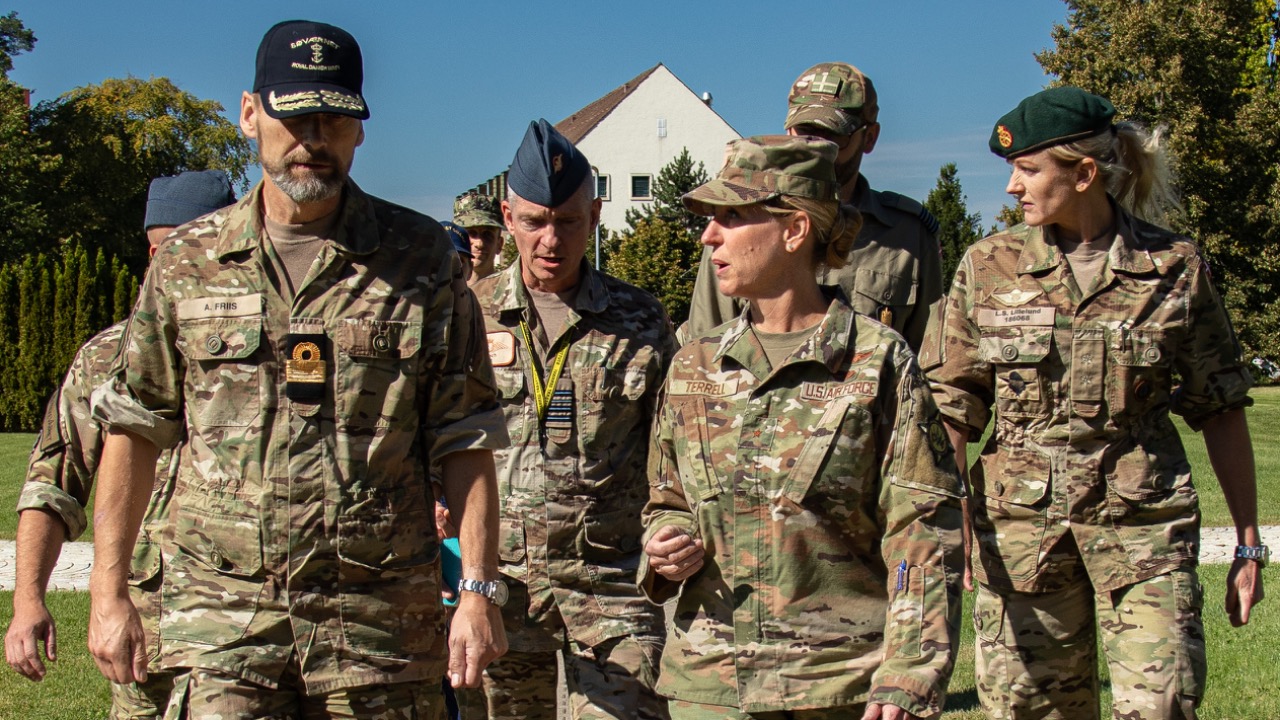
Military officials outline next steps as regional risks increase
Regional flashpoints from the Middle East to the U.S. southern border are converging into a single test of American strategy, forcing military leaders to spell out how they intend to deter adversaries while avoiding a wider war. As threats multiply, officials are pairing new deployments and command changes with diplomacy and updated planning guidance to keep crises from spiraling out of control.
Those moves are unfolding under President Donald Trump, whose team has framed homeland defense and competition with rivals as the organizing principles for U.S. force posture. The result is a moment in which generals and civilians alike are trying to show that the United States can surge power abroad, harden its own frontiers, and still leave room for negotiation.
Middle East buildup meets fragile diplomacy with Iran
Senior officers describe the Persian Gulf as the most immediate arena where miscalculation could trigger a broader conflict, even as U.S. envoys sit down with Iranian counterparts. Nuclear talks in Oman are proceeding at the same time that a massive American military presence is being assembled in the region under President Donald Trum, a dual track that is meant to reassure partners while signaling to Tehran that Washington is prepared for escalation if diplomacy fails, according to reporting on the nuclear talks.
Iranian leaders are sending their own mixed messages, with senior officials publicly warning of the risk of a regional war even as they acknowledge ongoing dialogue between the two foreign ministers and other channels. One influential figure used the Ten-Day Dawn celebrations to stress that recent diplomatic exchanges show communication is still possible, while also hinting at a change in Iran’s defense doctrine that could harden its posture if it feels cornered, a stance reflected in Iranian commentary.
Force posture adjustments and lessons from earlier deployments
To manage these risks, Pentagon planners are leaning on experience from earlier surges that were designed to deter Iran and its proxy forces across the Middle East. In one prominent example, Secretary of Defense Lloyd J. Austin III outlined steps to increase U.S. forces after consultations with President Biden, describing how additional air defenses, fighter squadrons, and naval assets were intended to give commanders the ability to quickly respond as required, according to his detailed force posture statement.
Military officials now say those deployments offer a template for balancing deterrence with restraint, particularly when adversaries test red lines through proxy attacks rather than direct confrontation. Austin emphasized that the goal was to protect U.S. personnel and partners while avoiding unnecessary escalation, a theme that continues to shape current planning as commanders weigh how much firepower to keep forward deployed in the Middl region in light of ongoing threats from Iran and its network of militias, as described in the same Copy Link release.
Warnings from Tehran and the risk of miscalculation
From the Iranian side, the rhetoric around a possible regional war is not just bluster, it is part of a calibrated effort to shape how Washington and its allies interpret Tehran’s red lines. Senior figures have publicly warned that continued pressure could force a shift in Iran’s defense doctrine, suggesting a move toward more preemptive or asymmetric responses if they judge that deterrence is failing, a message captured in official remarks.
At the same time, those same officials have pointed to recent contacts between foreign ministers as proof that channels remain open, underscoring the paradox at the heart of the current standoff. U.S. commanders must plan for the possibility that a single misread signal, a rocket attack by a proxy group, or a miscalculated airstrike could derail the nuclear talks in Oman and trigger the very regional war that both sides claim to want to avoid, a tension that hangs over the diplomatic push.
Border deployments and the new Western Hemisphere focus
While the Middle East absorbs much of the attention, the Pentagon is also shifting resources toward the U.S. southern border and the broader Western Hemisphere, reflecting President Trump’s emphasis on defending the homeland above all. Earlier this year, the Department of Defense ordered 1,500 troops and additional assets to the southern border to support the Department of Homeland Security, a move that included aviation, engineering, and logistics units as part of a broader mission set described in the official border announcement.
Officials later clarified that DOD is also providing intelligence analyst support at the border and is in the process of sourcing those requirements, underscoring how the mission has evolved beyond simple physical reinforcement. The statement noted that these efforts are being coordinated with border leadership to ensure that military capabilities complement civilian law enforcement rather than replace it, according to the same Jan briefing.
Debating direct action against drug cartels
Behind the scenes, planners are also gaming out scenarios in which U.S. forces could be used more aggressively against drug cartels in Mexico, a prospect that has drawn both political support and deep concern. One detailed analysis describes how a campaign of raids and precision strikes could be designed to overwhelm cartel forces and eliminate high-value targets, using special operations units and advanced surveillance to disrupt leadership networks and logistics hubs, as outlined in a concept paper.
Advocates argue that such an approach could reduce the flow of fentanyl and other drugs that fuel the U.S. overdose crisis, but military officials warn that cross-border operations would carry serious risks for civilians and bilateral relations. The same analysis notes that any campaign would have to account for the safety of Mexican security forces, journalists, and innocent civilians who live in cartel-dominated areas, and that even limited strikes could trigger retaliation or destabilize local governance, concerns highlighted in its discussion of operational risks.
Regional expectations and pressure on Latin American militaries
Any move toward more assertive U.S. action in the hemisphere would land in a region already feeling pressure from Washington to align with its security agenda. Human rights advocates have noted that the Trump administration expects the militaries of the region to respond to U.S. priorities, which include fighting drugs and organized crime and avoiding association with China, Iran, and possibly Russia, according to a detailed post by regional monitors.
One analyst, Adam, has argued that this approach risks blurring the line between legitimate security cooperation and political pressure, especially when governments are asked to distance themselves from major economic partners. In a follow-on commentary, Adam notes the priorities include not only counter narcotics but also steering partners away from deeper ties with China, Iran, and Russia, a set of expectations that could complicate domestic civil-military relations in countries where the armed forces already wield significant influence, as described in the Jan analysis.
Command reorganization and the Western Hemisphere Command
Inside the Pentagon, these regional priorities are being translated into structural changes that will shape how forces are commanded and deployed. A major planning effort has examined new command arrangements, with Senior military officials considering about two dozen concepts for reorganizing responsibilities among combatant commands, including proposals that would shift focus and resources to better address threats from Iran, Russia, and China, according to a detailed planning account.
One concrete outcome is the formation of the Western Hemisphere Command, which is intended to bolster the Administration’s military priorities in the Americas. Reporting on the new structure notes that its mission set includes border security, maritime interdiction, and targeting suspected drug cartels in the Caribbean, reflecting a view that the hemisphere’s security challenges are interconnected and require a unified operational approach, as described in coverage of the Western Hemisphere Command.
Balancing Middle East commitments with ties to Israel
Even as planners reorient some attention toward the Western Hemisphere, the Middle East remains a central theater, not least because of the close security relationship with Israel. Analysts have warned that a Pentagon plan to shift resources away from the region could complicate coordination with Jerusalem at a time when Iran, Russia, and China are all seeking greater influence, a concern that has surfaced in debates over how to prioritize limited assets, according to one regional assessment.
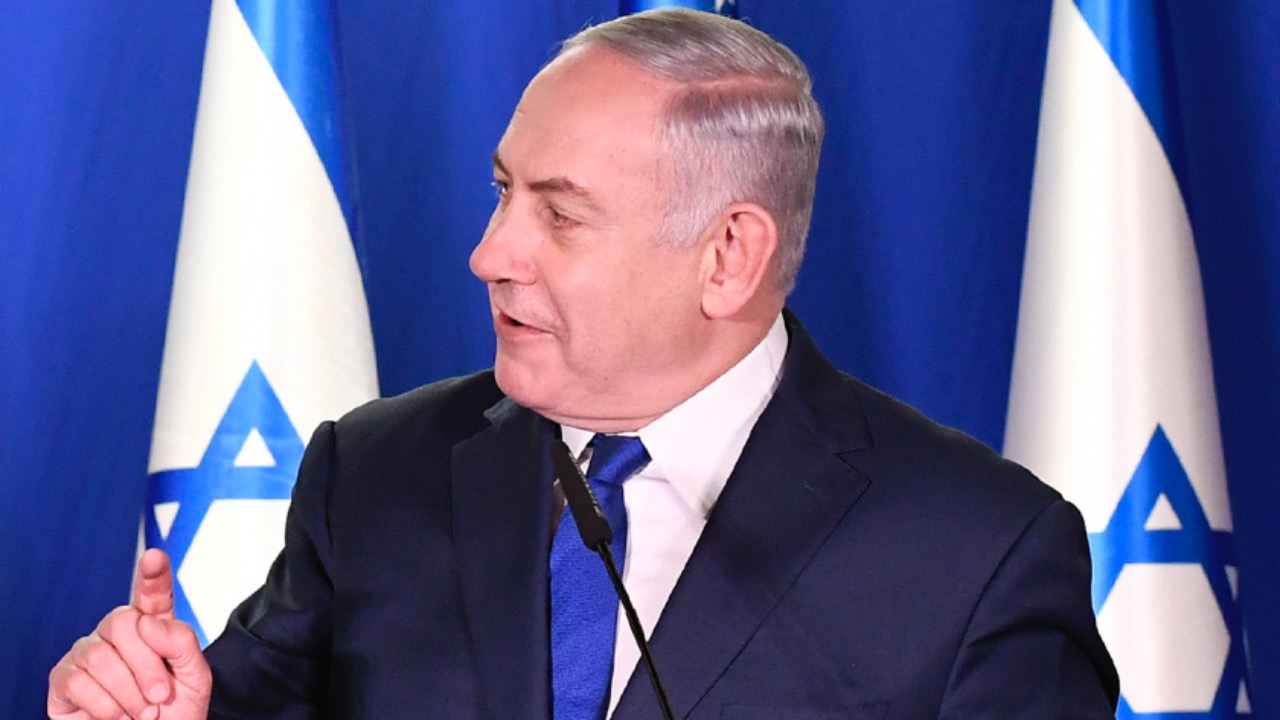
That same analysis notes that a lot of the U.S.-Israel relationship is being managed personally between President Donald Trump and Prime Minister Benjamin Netanyahu, including sensitive issues such as ceasefires in Lebanon and Gaza. For military officials, this highly personalized diplomacy adds another layer of complexity, since operational plans must account not only for formal defense agreements but also for the political dynamics between Trump and Prime Minister Benjamin, which can shape expectations about U.S. support in a crisis, as highlighted in the Israel commentary.
The 2026 National Defense Strategy and what comes next
All of these moves are being framed by the 2026 National Defense Strategy, which codifies the administration’s view of how to balance global commitments with domestic security. The NDS builds upon President Trump’s 2025 NSS, which prioritizes defending the United States homeland above all and emphasizes deterring major powers, enhancing allied contributions, and revitalizing the defense industrial base, according to a legal and policy analysis of the NDS.
For military leaders, that guidance translates into concrete next steps: sustaining a credible buildup around Iran while keeping diplomatic doors open, reinforcing the southern border without militarizing domestic law enforcement, and standing up new commands like the Western Hemisphere Command to better integrate operations close to home. As regional risks increase, the test will be whether these structural and doctrinal changes can deliver the deterrence and flexibility that the strategy promises, or whether the United States finds itself stretched thin across too many fronts at once, a question that will define how the NSS and NDS are judged in the years ahead.

Asher was raised in the woods and on the water, and it shows. He’s logged more hours behind a rifle and under a heavy pack than most men twice his age.