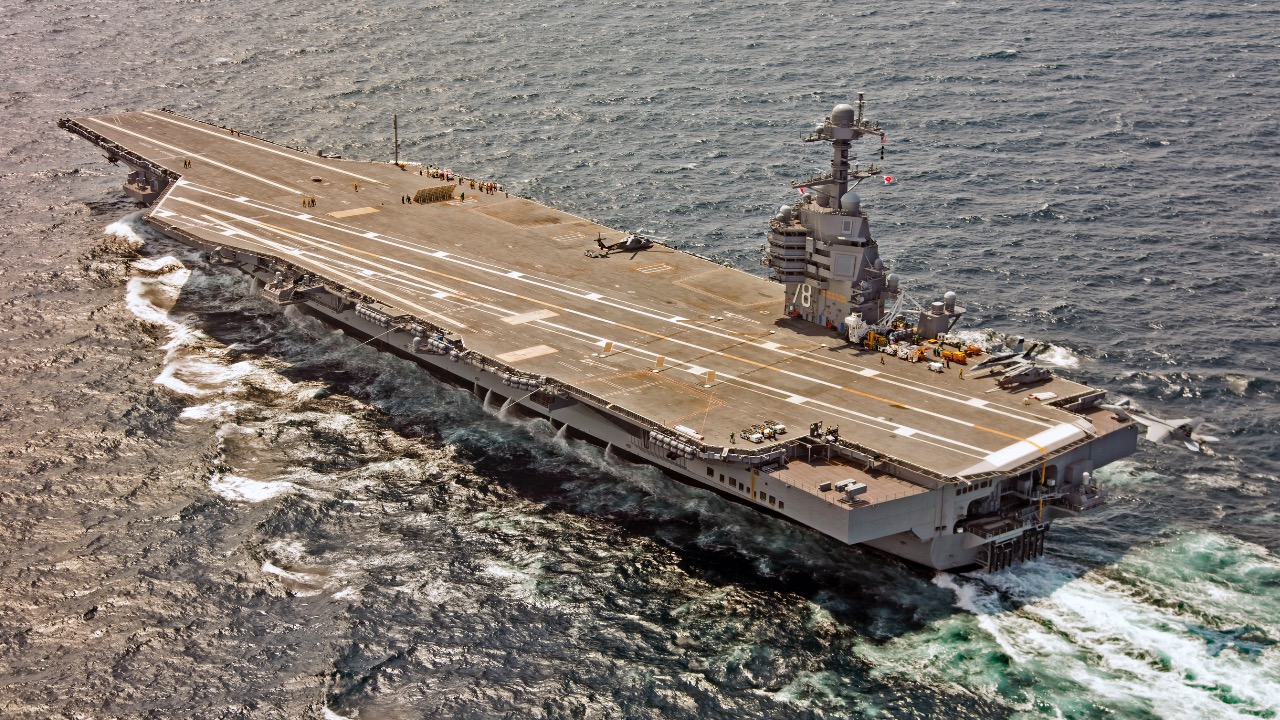
USS Gerald R. Ford marks major operational milestone
For years, the USS Gerald R. Ford has been a lightning rod for debate. Cost overruns, new systems, and a long testing phase gave critics plenty to chew on. But big-deck carriers aren’t judged on dockside promises. They’re judged at sea, under pressure, moving aircraft, people, and power nonstop. That’s where this ship is finally starting to separate itself from the noise. What matters now isn’t what went wrong early, but what’s working today—and what that means for how the Navy fights, deploys, and sustains carrier power going forward. These milestones don’t grab headlines, but they’re the ones professionals actually care about.
Sustained Flight Operations at Sea
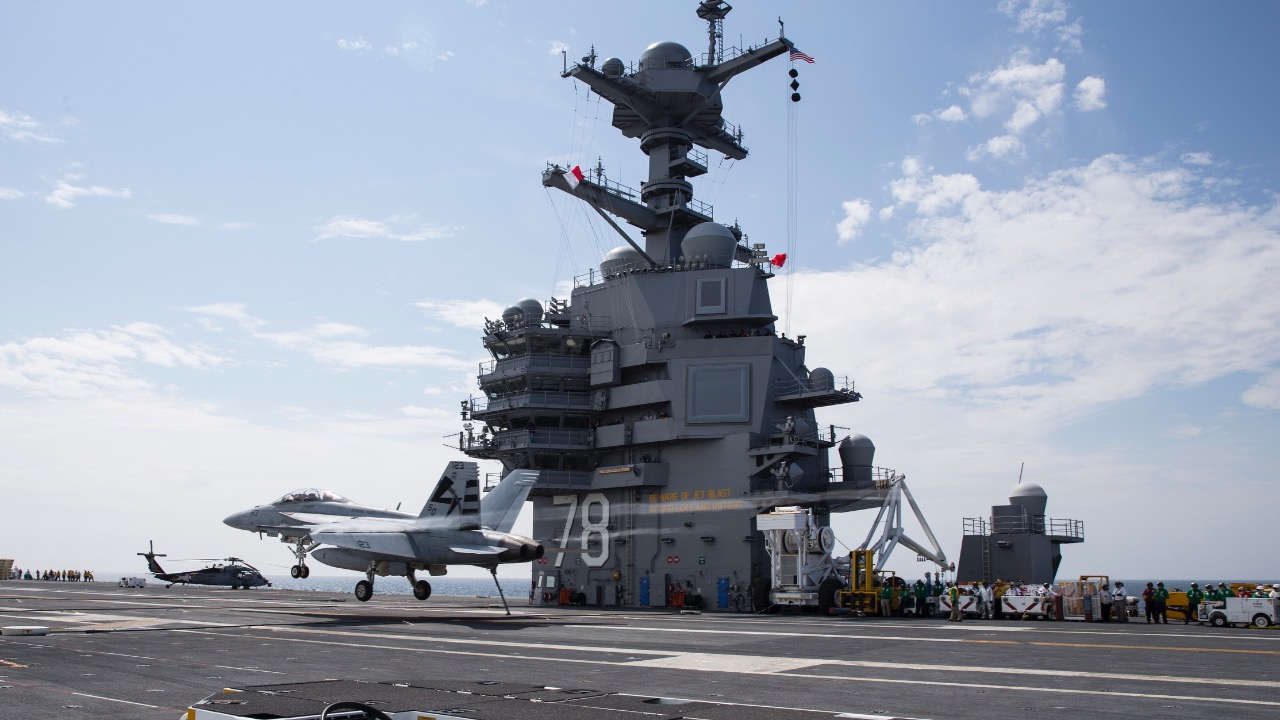
One of the quiet breakthroughs for the Ford has been its ability to sustain long, uninterrupted flight operations. Early attention fixated on whether the new launch and recovery systems worked at all. What matters more is that they now work repeatedly, day after day, without grinding the ship into a maintenance cycle.
During extended operations, the flight deck has shown it can support a steady tempo that matches real-world demands, not test schedules. Aircraft movement flows better, deck crews move with fewer workarounds, and recovery windows stay predictable. For you as an observer, that means the ship is finally behaving like a carrier should—launching, recovering, and turning jets without drama becoming the headline.
Electromagnetic Launch Systems Settling Into Rhythm
The electromagnetic launch system was always going to be controversial. Replacing steam wasn’t about flash—it was about control and wear reduction. What’s changed is how consistently the system now performs across aircraft types.
Instead of constant recalibration and pauses, launches are happening with fewer interruptions and more predictable power profiles. That matters because it reduces stress on airframes and keeps sortie rates steady. From an operational standpoint, the system no longer feels experimental. It feels like infrastructure. When a launch system fades into the background, that’s a sign it’s doing its job, not stealing attention from the mission.
Advanced Arresting Gear Proving Reliability Over Time
Arresting gear doesn’t get much love until it fails. On the Ford, early concerns focused on whether recoveries could happen safely at scale. What’s changed is the cumulative confidence built through repetition.
The advanced arresting gear has now logged enough cycles to show it can handle real-world use, not controlled demonstrations. Recoveries are smoother, reset times are shorter, and maintenance crews are seeing fewer surprises between checks. For carrier aviation, that reliability is everything. You can plan operations when you trust the wires, and that trust only comes from seeing them work again and again.
Crew Workflows Finally Matching the Ship
New ships don’t just challenge hardware. They challenge people. The Ford’s crew had to learn systems that didn’t behave like anything before them. That learning curve is finally flattening out.
Watch how departments coordinate now and you see fewer manual patches and fewer verbal workarounds. Digital systems that once slowed decision-making are now speeding it up because sailors understand how to use them together. Manning efficiencies start to show up here—not as talking points, but as smoother watches and less fatigue. When a crew stops fighting the ship, the ship starts earning its keep.
Power Generation Supporting Real Combat Loads
The Ford’s electrical capacity was designed for the future, but future-proofing only matters if the system performs today. Recent operations have shown the ship can support simultaneous high-demand systems without sacrificing stability.
Radar, sensors, launch systems, and hotel services are drawing power without forcing trade-offs. That’s a big deal because older carriers often had to prioritize systems during peak operations. Here, the ship absorbs the load and keeps moving. For you, it means the Ford isn’t waiting on tomorrow’s tech to justify its design. It’s already using that capacity to support current missions.
Aircraft Handling Below Deck Improving Turnaround
A lot of attention stays topside, but the Ford’s internal aircraft movement is one of its most important gains. Elevators and hangar workflows were a sore spot early on. They’re now becoming a strength.
Aircraft move between spaces with less congestion, fewer pauses, and better coordination between deck and hangar crews. That efficiency shows up in faster turnarounds and fewer bottlenecks during surge periods. It’s not flashy, but it’s critical. You don’t win tempo battles on the flight deck alone—you win them in how fast you can reset for the next cycle.
Integration Into Carrier Strike Group Operations
A carrier doesn’t operate alone, and one milestone that matters is how well the Ford fits into a full strike group. Recent operations show smoother coordination with escorts, air wings, and command elements.
Data-sharing, timing, and tasking align more naturally now that the ship’s systems are being used as intended. That reduces friction across the group and tightens response windows. For you, this signals that the Ford is no longer an outlier needing special handling. It’s operating as a central node, which is exactly what a carrier is supposed to be.
Transition From Evaluation to Trust
The biggest milestone isn’t a system or a stat. It’s a shift in mindset. The Ford is moving out of constant evaluation mode and into trust-based operations.
That doesn’t mean perfection. It means commanders are willing to plan around the ship instead of planning around its limitations. Exercises treat it less like a prototype and more like a deployable asset. For a ship that’s spent years under scrutiny, that change matters. When trust replaces testing, you’re no longer proving the concept—you’re executing the mission for the United States Navy.

Asher was raised in the woods and on the water, and it shows. He’s logged more hours behind a rifle and under a heavy pack than most men twice his age.