Ten common animal skulls found in the wild and how to identify them
Animal skulls on a trail or riverbank are not just eerie ornaments. They are three-dimensional field guides that reveal diet, behavior, and even how an animal sensed the world. When I identify ten of the most common skulls people stumble across, I rely on a few repeatable checks so a bleached bone in the grass turns into a clear story about the creature that left it behind.
I focus on features that hold up even when a skull is weathered or incomplete: tooth patterns, eye socket position, and a handful of quirks that are almost like fingerprints. With those basics, plus a few trusted references, I can usually sort a mystery skull into one of ten familiar species long before I ever reach for a formal key.
How I read any skull: teeth, eyes, and basic keys
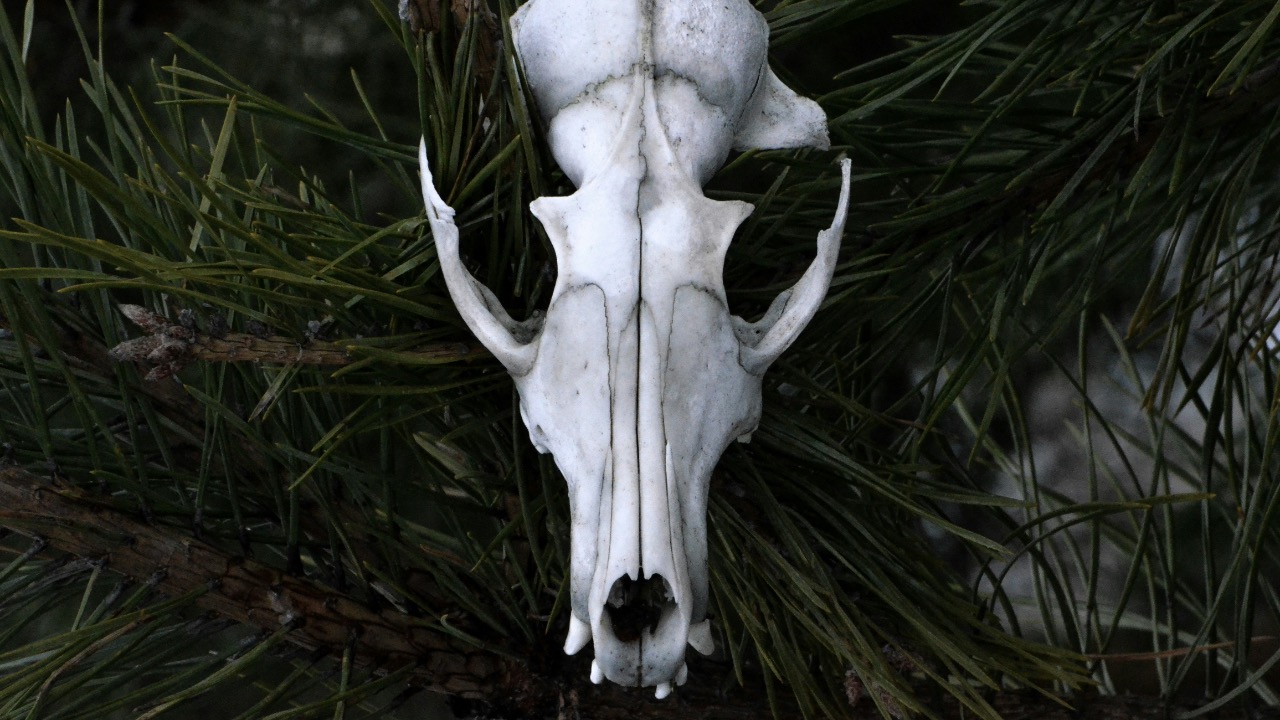
I start every identification by asking what the teeth say about diet. Carnivores carry sharp, blade like carnassial teeth for slicing flesh, herbivores build broad, ridged molars for grinding plants, and omnivores such as raccoons sit in the middle with a mix of cutting and crushing surfaces. Guides to carnivore, herbivore, or omnivore skulls point out that those tooth shapes are reliable even when the rest of the bone is damaged, so I treat them as my first filter rather than a detail to check later in the process. Once I know the feeding strategy, I already have a much shorter list of suspects.
Next I look at the layout of the skull. Forward facing eyes usually indicate a predator that relies on depth perception, while eyes set to the side suggest a prey animal that needs a wide field of view, a distinction that basic keys to common mammal skull emphasize. I also check the zygomatic arches, the sagittal crest, and the relative length of the snout, then compare what I see to structured identification steps that ask simple yes or no questions about incisors, jaw shape, and horn cores. By moving in that order, I can approach any skull methodically instead of guessing from overall size or color.
Raccoon: the backyard omnivore with a long palate
Raccoons are so common around campsites, dumpsters, and creek banks that I treat their skull as a baseline for medium sized omnivores. The key feature I look for is a hard palate on the roof of the mouth that extends noticeably past the last molar, a trait highlighted in anatomical descriptions of Raccoon skulls. The skull lacks a pronounced sagittal crest, and the snout is shorter than that of a fox or coyote, which helps me separate it from canids even when the jaw is missing. I also watch for a relatively broad braincase and a compact, rounded overall shape.
Dental patterns confirm the ID. Raccoons carry prominent canines for seizing food, but their premolars and molars are flattened enough to handle fruit, nuts, and invertebrates, a mix that matches their reputation as adaptable omnivores in sources that describe how Raccoons use canine. When I compare a raccoon cranium to images of typical omnivore skulls that place raccoons alongside beavers and bobcats, the moderate snout length and thick, sturdy bone stand out as recurring cues. That combination of extended palate, mixed dentition, and rounded profile makes raccoon one of the easiest medium skulls to recognize once I have seen it a few times.
Red fox: long, narrow and delicately built
When I find a slender skull with a pointed snout in a hedgerow or field margin, I often start by asking whether it is a fox. Red fox skulls are relatively small, around 14 centimeters in length, with long, narrow muzzles that look almost delicate compared with those of domestic dogs. Wildlife identification guides describe how a Fox skull has and a lightly built braincase, and I use that mental picture when I pick up a skull that feels surprisingly light in the hand. The zygomatic arches are thin, and any sagittal crest that is present tends to be modest rather than towering.
The teeth reinforce the diagnosis. Foxes are carnivores, so their molars and premolars are shaped into sharp shearing blades, with well developed carnassials that line up tightly when the jaws close. The incisors are small and neat, and the canines are long but not as thick as those of a wolf or large dog, which fits the fox’s role as a mid sized predator. When I compare fox skulls to informal charts that line them up with coyotes and domestic dogs, such as one shared by the user Legendguard who notes that Coyotes are bigger, the fox always comes across as the most refined and tapered of the three.
White tailed deer: tooth rows and missing upper incisors
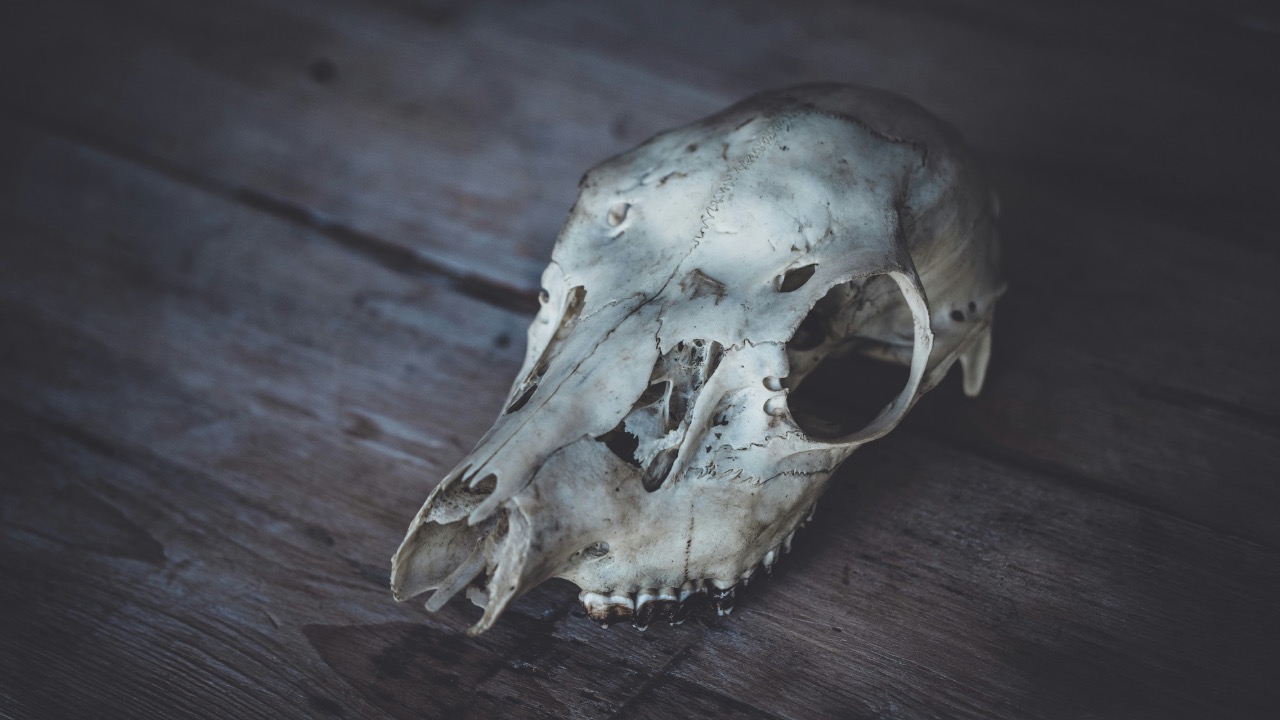
Deer skulls turn up in woods, ditches, and along roads where collisions are common, and they are some of the easiest herbivore skulls to recognize. The giveaway for me is the complete absence of upper incisors. If the entire upper jaw is present and there are no incisors in the front, then I am almost certainly looking at a member of the deer family rather than a horse or other grazer, a rule of thumb that practical field keys summarize as upper jaw lacks. The lower jaw carries a row of chisel like incisors and a large gap before the premolars and molars, and the cheek teeth are broad with complex ridges for grinding vegetation.
In white tailed deer, which are widespread across North America, the skull is relatively elongated with a long nasal region and large, side facing orbits that support a wide field of view. Antler pedicles on adult males leave clear bony bases on the frontal bones, even when the antlers themselves are gone. When I compare deer skull fragments to other ungulates, I also pay attention to the shape of the nasal opening and the way the maxilla meets the frontal bone, but the combination of absent upper incisors and selenodont, crescent shaped molar cusps usually settles the question well before I need to worry about those finer points.
Elk: a larger deer with distinctive canines
Elk skulls share the same basic deer family blueprint, so I again look for the lack of upper incisors and the heavy grinding molars in the back of the jaw. The difference is scale and a few special features. Elk skulls are significantly larger and more massive than those of white tailed deer, with a broader forehead and more robust bones at the base of the antlers. In online identification discussions, people often mislabel elk skulls as generic deer until someone points to the key clue that separates them.
That clue is the presence of upper canine teeth, sometimes called ivories, which are a distinctive feature of elk. In one widely shared example, a user asked whether a skull was elk, and another commenter responded that the canine tooth is. When I handle an elk skull, I look for those small but unmistakable canines set behind the missing upper incisors, combined with the sheer size of the cranium and the thick, rough pedicles where the antlers once attached. Together, those traits confirm that I am dealing with a larger cervid rather than a domestic goat or cow.
Gray squirrel and other rodents: chisels up front, no canines
Rodent skulls show up under raptor perches, in owl pellets, and scattered in leaf litter, and they are some of the most distinctive bones I encounter. The front of the jaw carries a single pair of large, ever growing incisors on the top and bottom, enamelled in bright orange or yellow and honed into sharp chisels. There are no canines at all, and a wide diastema separates those incisors from the cheek teeth, a pattern that technical guides describe when they group Rodent Skulls Rodents as a category with small, lightweight crania and oversized incisors. That dental layout instantly tells me I am looking at a rodent even if the rest of the skull is badly weathered.
For common backyard species such as gray squirrels, I refine the ID by size and proportions. Squirrel skulls are relatively small, with a short rostrum and a rounded braincase, and they often show signs of heavy incisor wear because the animals gnaw through nuts, bark, and even bones. Science educators point out that the squirrel wears its constantly, but the teeth keep growing to compensate, which explains why those front teeth are so prominent in skulls. When I line up squirrel, rat, and mouse skulls, the squirrel usually sits in the middle in both size and robustness, with a slightly more arched profile than the others.
Beaver: heavy rodent with a flattened profile
Beavers leave behind some of the most striking skulls in North American wetlands. Like all rodents, they have that single pair of large incisors on each jaw and no canines, but the scale and shape are very different from a squirrel. The incisors are massive, deeply orange, and strongly curved, built to chew through trees and branches. Educational comparisons of typical herbivore skulls often place beaver alongside deer and rabbits, and they highlight how the beaver’s front teeth dominate the face while the molars remain relatively modest in size.
The rest of the skull is broad and somewhat flattened, reflecting the beaver’s semi aquatic lifestyle and powerful jaw muscles. The zygomatic arches are thick and sturdy, and the braincase is low compared with the length of the snout. In skull identification exercises that classify animals by diet and cranial features, beavers are used as a standard example of a herbivore with specialized gnawing teeth, and I find that image useful when I compare a heavy, low slung rodent skull to the lighter, more domed cranium of a squirrel or rat. The combination of weight, huge incisors, and a wide, flattened profile makes beaver skulls stand out even when they are partially buried in mud near old dams or lodges.
Virginia opossum: a mouthful of teeth and a narrow braincase
Virginia opossums are the only marsupials in much of North America, and their skulls look different from the placental mammals around them. The first thing I notice is the sheer number of teeth. Opossums have more teeth than most local species, with a long, narrow jaw packed with small incisors, prominent canines, and many premolars and molars. When I see a skull with an almost crowded dental arcade and a pointed snout, opossum jumps high on my list of candidates.
The cranium itself is relatively small compared with the length of the face, giving the skull a distinctive proportion that field educators highlight when they line up opossum, bobcat, beaver, deer, gray fox, and raccoon skulls side by side. In that comparison, the opossum stands out for its elongated rostrum and its slender, somewhat fragile looking braincase. I also pay attention to the sagittal crest, which can be quite sharp and raised in adult opossums, and to the way the zygomatic arches form a narrow, almost delicate frame around the orbits. Together, the crowded teeth and stretched proportions make opossum one of the easier small to medium carnivore or omnivore skulls to pick out of a mixed pile.
Gray fox and coyote: separating similar canid skulls
Gray foxes and coyotes share the same basic canid blueprint, so I rely on size and a few subtle features to tell their skulls apart. Gray fox skulls are smaller, with shorter overall length and more delicate construction, while coyote skulls are closer in size to many domestic dogs. Informal comparison charts created by enthusiasts point out that Coyotes are biggerthan foxes, and that matches what I see when I line up real specimens. The coyote’s snout is broader, the sagittal crest more pronounced, and the zygomatic arches thicker.

Leo’s been tracking game and tuning gear since he could stand upright. He’s sharp, driven, and knows how to keep things running when conditions turn.