Admiral Warns of U.S. War Readiness Challenges in Stark Terms
When a senior admiral steps up to a microphone and starts talking about readiness, you’d be wise to listen. These aren’t offhand comments. They’re assessments built on fleet reports, maintenance logs, deployment schedules, and hard lessons learned at sea. In recent testimony and public remarks, top Navy leaders have spoken plainly about strain across the force — from shipyards running behind schedule to munitions stockpiles that would be tested in any prolonged fight.
You don’t hear panic in their tone. You hear concern rooted in math, manpower, and material reality. War readiness isn’t measured in speeches. It’s measured in ships that sail, aircraft that fly, and crews that are trained and rested. And by that yardstick, there are challenges that can’t be ignored.
Shipyard Backlogs Are Slowing the Fleet
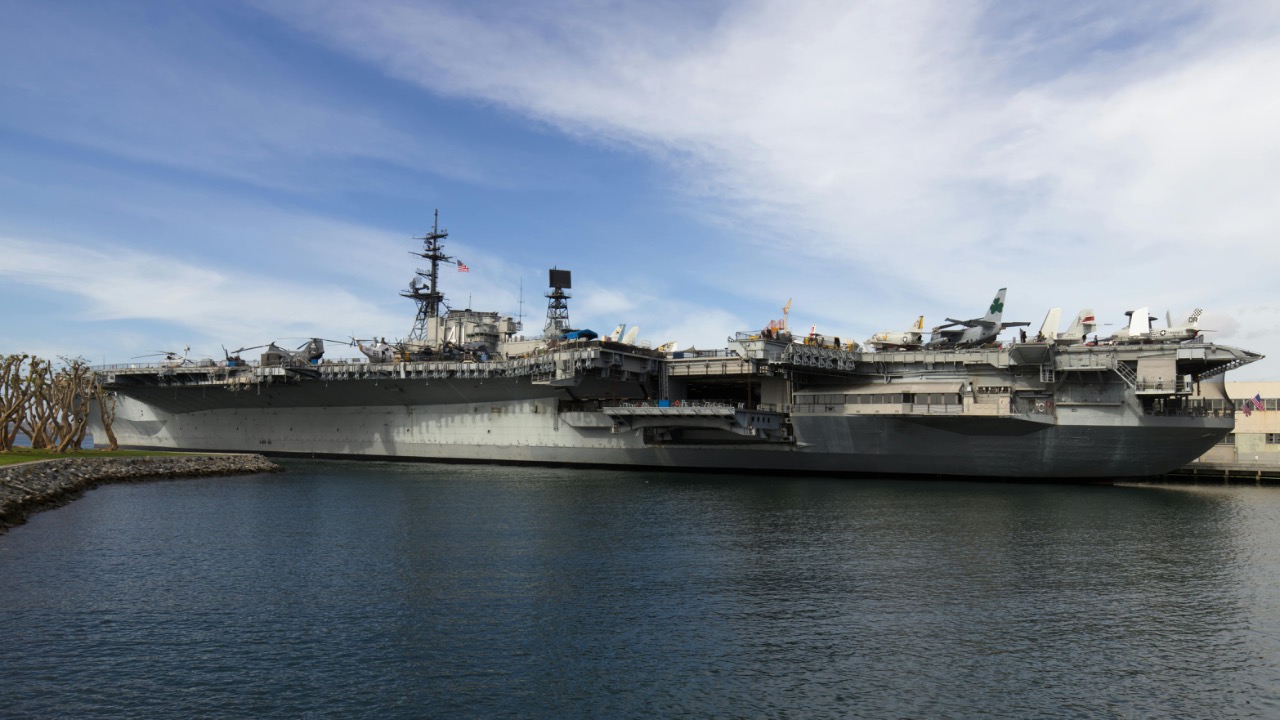
If you look at the numbers, a significant portion of U.S. Navy submarines and surface ships have faced maintenance delays in public shipyards. Attack submarines in particular have spent extended periods waiting for overhaul work. That directly affects deployment cycles and presence in key theaters.
When a submarine sits pierside instead of underway, you lose more than hull availability. You lose training time, crew proficiency at sea, and deterrence value. An admiral warning about readiness isn’t speaking in abstractions. He’s talking about dry docks that can’t keep pace with demand and industrial capacity that hasn’t caught up with operational requirements.
Munitions Stockpiles Are Under Pressure
Modern naval warfare burns through precision weapons quickly. Recent global conflicts have highlighted how fast advanced munitions can be expended. Senior leaders have acknowledged that replenishing certain missile inventories takes time due to production constraints and supply chain limits.
You can’t surge complex weapons overnight. Many rely on specialized components and a narrow manufacturing base. In a prolonged conflict, consumption rates could outpace production. That gap is what keeps planners up at night. Readiness isn’t only about platforms — it’s about whether the magazines are full when it matters.
Recruiting and Retention Gaps
The services have faced recruiting shortfalls in recent years, and the Navy has not been immune. Meeting end-strength targets has become harder in a competitive labor market. Fewer accessions mean heavier workloads for those already in uniform.
Retention presents another challenge. Experienced sailors, especially in technical ratings, are highly marketable in the civilian sector. When skilled operators leave, institutional knowledge walks out with them. An admiral speaking candidly about readiness understands that a ship’s combat power depends as much on the crew as the hardware.
Maintenance on Aging Platforms
Many U.S. naval vessels have been extended beyond their original service life projections. While upgrades keep them relevant, aging hulls and systems require more intensive maintenance. That adds strain to shipyards already operating at capacity.
Aircraft fleets face similar realities. Airframes accumulate flight hours, and keeping them mission-capable demands time and parts. Deferred maintenance may solve short-term scheduling problems, but it compounds over time. Readiness erodes gradually when equipment reliability becomes unpredictable.
Industrial Base Constraints
The U.S. defense industrial base is far smaller than it was during the Cold War. Fewer shipyards build submarines and large surface combatants. Missile production lines are specialized and not easily expanded.
If you need to ramp up output quickly, there are limits to how fast facilities can hire, train, and certify workers. Supply chains for critical components often depend on single-source suppliers. Admirals warning about readiness frequently point to this structural issue. Deterrence rests not only on current strength, but on the ability to replace losses and sustain operations.
Operational Tempo and Crew Fatigue
High deployment rates take a toll. When ships spend long stretches underway with compressed maintenance windows, crews feel it. Training cycles get tighter. Personal time shrinks. Fatigue becomes a factor in performance and safety.
You can maintain a demanding tempo for a while, but it’s hard to sustain indefinitely without consequences. Admirals who’ve commanded fleets understand that readiness isn’t measured by how hard you push today, but by how well you preserve capability for tomorrow.
Cyber and Electronic Warfare Vulnerabilities
Modern naval forces rely heavily on networks, sensors, and satellite links. That connectivity enables precision and coordination, but it also creates exposure. Senior leaders have acknowledged the constant pressure of cyber threats and electronic interference.
Readiness now includes defending digital infrastructure as aggressively as physical assets. If networks are degraded or disrupted, combat effectiveness suffers. An admiral speaking bluntly about readiness is factoring in threats that don’t show up on a traditional order of battle but can shape the fight just as decisively.
Competing Global Commitments
The Navy operates globally, maintaining presence in the Indo-Pacific, the Middle East, Europe, and beyond. Each theater demands ships, aircraft, and trained crews. Balancing those commitments stretches finite resources.
When forces are distributed widely, surge capacity narrows. If a major contingency erupts, shifting assets isn’t always immediate. That tension between steady-state presence and wartime concentration is a constant planning challenge. The admiral’s warning reflects that strategic reality: you can’t be everywhere at full strength all the time.
War readiness is never a fixed condition. It’s a moving target shaped by budgets, industry, training, and global events. When a senior naval leader speaks plainly about shortfalls, it’s not theater. It’s an assessment meant to sharpen focus. And if you care about national defense, it’s worth paying attention.

Asher was raised in the woods and on the water, and it shows. He’s logged more hours behind a rifle and under a heavy pack than most men twice his age.