10 reasons your range time isn’t improving your real-world ability
You can burn through a case of ammo every month and still feel underprepared when it counts. I’ve seen shooters who punch tight groups at 15 yards, then fall apart the moment stress, movement, or decision-making enters the picture. The square range is controlled, predictable, and comfortable. Real life isn’t.
If your ability isn’t translating, it’s rarely because you need more ammunition. It’s usually because your training lacks friction. You’re practicing in ways that make you feel competent instead of exposing weaknesses. If you want range time to matter outside the lane, you need to be honest about what you’re actually training.
You’re Never Shooting Cold
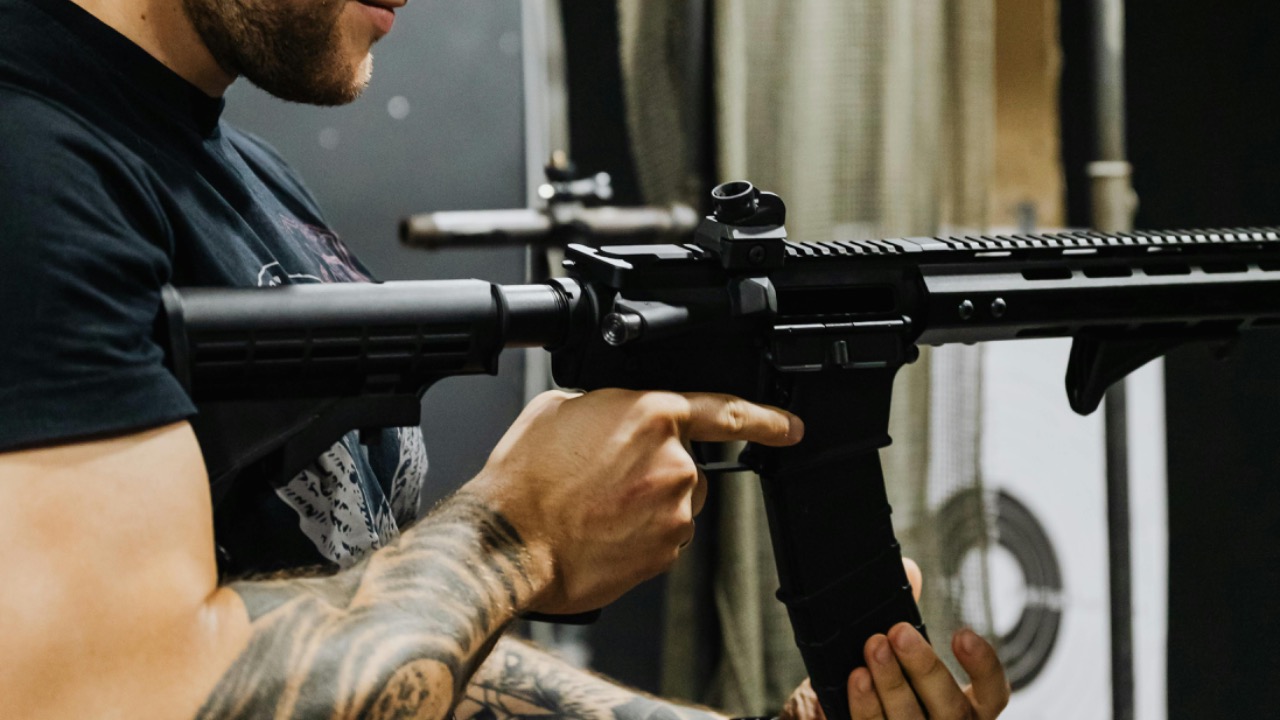
Most people fire a few slow rounds to “warm up,” adjust their grip, and settle into a rhythm. That’s comfortable. The problem is real-world performance doesn’t come with a warm-up string. Your first shot is the one that matters.
If you’re not tracking your first cold-bore hit every session, you’re missing critical feedback. That first trigger press reveals your true baseline. It shows flinch, grip inconsistency, and sight discipline without rehearsal. Start logging that shot. You’ll learn more from it than the next fifty rounds combined.
You Don’t Train Decision-Making
Paper targets don’t force you to think. You step into the lane already knowing what to shoot, when to shoot, and how many rounds to fire. There’s no hesitation, no ambiguity, no judgment call.
Real-world encounters demand processing. You must identify, assess, and act. If your practice doesn’t involve target discrimination, verbal commands, or unpredictable sequences, you’re skipping a major piece of the puzzle. Shooting is mechanical. Deciding to shoot is cognitive. Without both, your training stays incomplete.
You Avoid Awkward Positions
Standing upright with a perfect isosceles stance is fine for building fundamentals. But when was the last time you practiced kneeling hard on gravel, leaning around cover, or shooting from a compressed seated position?
If you always train in ideal posture, you’re programming comfort. Real situations rarely offer that luxury. Work in barricades, uneven footing, and compromised positions. When your body is uncomfortable, your fundamentals get tested. That’s where growth happens.
You Don’t Push Your Pace
There’s a difference between accuracy and performance under time. If you’re not using a shot timer or holding yourself to measurable standards, you’re guessing at improvement.
Speed exposes inefficiency. It reveals wasted motion on the draw, sloppy reloads, and hesitation between shots. Without time pressure, you can mask those flaws. Add structure. Track splits. Measure draw-to-first-shot times. When you force accountability, your skill level becomes clear in a hurry.
You Ignore Low-Percentage Skills
Most shooters practice what they’re already decent at. Controlled pairs at moderate distance feel productive. Meanwhile, weak-hand shooting and one-handed manipulations get ignored because they’re uncomfortable.
In the real world, injuries and obstacles happen. If you can’t draw, fire, and reload with your support hand, you’ve got a hole in your capability. Work those uncomfortable reps into every session. They’ll humble you, but they’ll also build resilience.
Your Practice Is Too Predictable
If every drill is five rounds, reload, five rounds, you’re operating on autopilot. Your brain loves patterns. It starts anticipating instead of reacting.
Change round counts. Mix distances without announcing them to yourself. Vary cadence. Throw in dummy rounds to expose flinch. The more randomness you introduce, the more your brain has to stay engaged. That engagement is closer to reality than scripted repetition.
You Don’t Train After Physical Stress
Shooting with a calm heart rate on a flat range is not the same as shooting when your pulse is elevated. Adrenaline changes vision, grip pressure, and trigger control.
Try adding short sprints, pushups, or kettlebell swings before stepping to the line. You’ll notice how quickly fine motor skills degrade. Learning to manage your breathing and sights under fatigue builds a bridge between practice and pressure.
You Neglect Environmental Variables
Indoor lanes remove wind, glare, uneven lighting, and shifting backgrounds. Outdoors, those factors matter. Even something as small as bright sun washing out your optic can throw you off.
If you can, train in varied lighting and weather. Shoot in the cold. Shoot in the wind. Learn how your gear behaves when conditions aren’t ideal. Environmental friction builds adaptability, and adaptability keeps skills intact when circumstances shift.
You Don’t Debrief Your Sessions
Too many shooters pack up without reviewing what actually happened. They remember the good groups and forget the ugly ones.
After every session, identify what broke down. Was it grip pressure? Visual focus? Reload mechanics? Write it down. Patterns show up over time. Without reflection, you’re repeating mistakes without realizing it. Honest assessment turns range time into progress.
You Confuse Round Count With Progress
Burning ammo feels productive. It’s loud, tangible, and easy to measure. But skill comes from deliberate repetition, not volume.
If you’re not entering a session with specific goals, you’re likely reinforcing whatever habits you already have. Fewer rounds with clear intent beat hundreds fired casually. When each string has a purpose, improvement stops being accidental and starts being deliberate.
Range time can build serious capability, but only if you treat it as training instead of recreation. When you introduce pressure, unpredictability, and honest evaluation, your skill set starts to carry beyond the firing line. That’s when it begins to matter.

Asher was raised in the woods and on the water, and it shows. He’s logged more hours behind a rifle and under a heavy pack than most men twice his age.