The difference between tactical aesthetics and tactical effectiveness
You’ve seen it a thousand times. A rifle covered in accessories, wearing a rattle-can camo job, topped with a towering optic and enough rails to build a ladder. It looks ready for a door kick in Fallujah. But looking tactical and being effective are two very different things.
Real performance shows up in consistency, durability, and how well you can run the gun under stress. Tactical aesthetics are easy to buy. Tactical effectiveness is earned through smart setup, training, and restraint. The gap between the two gets wider the more gear you bolt on without a purpose.
Here’s where that difference shows itself.
Rail Space vs. Practical Setup
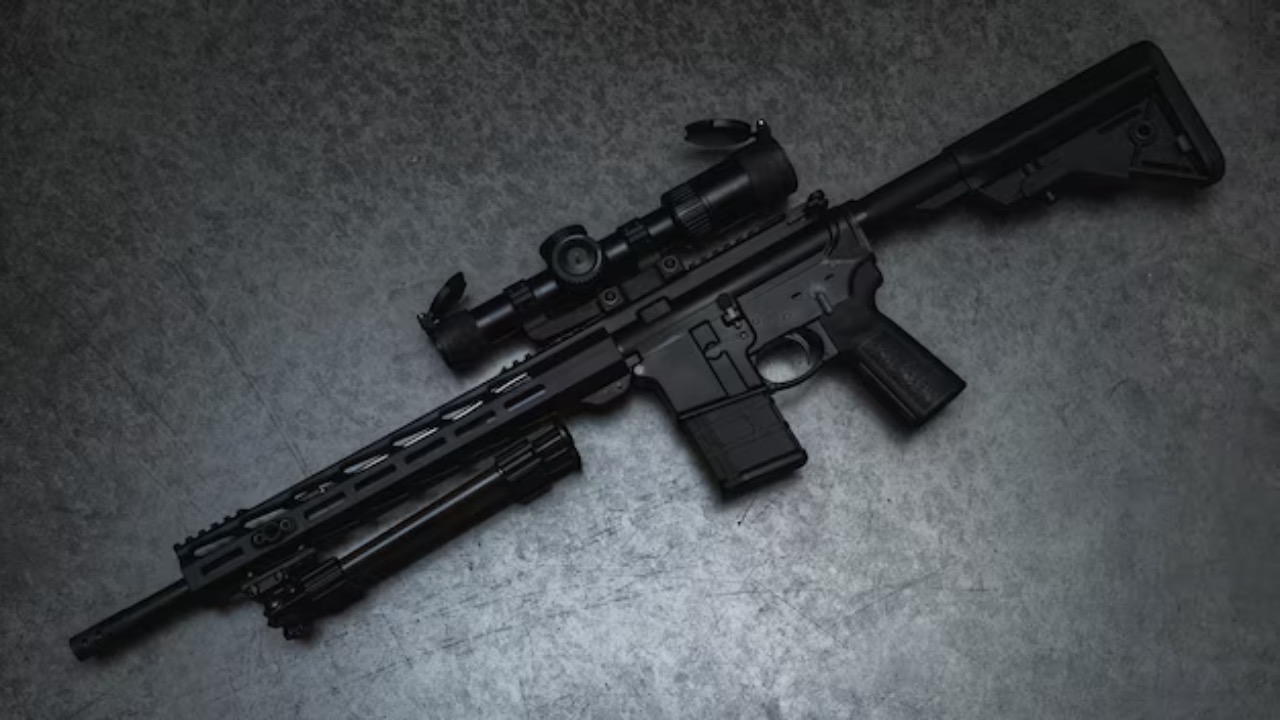
You can fill every inch of a Picatinny rail and still end up less capable. Vertical grips, angled grips, bipods, lasers, pressure pads, offset irons—it adds up fast. On a rifle like a modern sporting platform patterned after the AR-15, the rail space invites clutter.
In the field or on the clock, that clutter costs you. Extra weight shifts balance forward. Cables snag. Controls become harder to reach. A practical setup keeps what you actually use and removes what you don’t. When you shoulder the rifle, it should feel like an extension of you, not a hardware store aisle.
Camouflage Paint vs. Signature Management
A rattle-can camo job can look sharp in photos. Multicam patterns and distressed finishes get attention online. But paint alone doesn’t make you harder to detect.
Real signature management involves movement discipline, sound control, and understanding light. A glossy scope lens or exposed skin can give you away faster than a black rifle ever will. You’re better served by knowing how to use shadows and terrain than by obsessing over whether your rifle matches your plate carrier.
Oversized Optics vs. Appropriate Magnification
Big glass looks serious. High magnification, large objective lenses, tall turrets—they give a rifle presence. But if you’re shooting inside 200 yards, that 5-25x scope becomes more liability than asset.
Appropriate magnification lets you acquire targets quickly and maintain situational awareness. Excessive magnification narrows your field of view and slows transitions. A compact LPVO or red dot often does more for practical performance than a scope designed for steel at 1,000 yards. The right optic supports your mission. The wrong one makes you fight your own equipment.
Skeletonized Parts vs. Durability
Skeletonized receivers, cut-out slides, and ultra-light components look aggressive and modern. They shave ounces and catch eyes at the range.
But removing material can change how a gun handles recoil and how it stands up to hard use. In pistols, lighter slides can affect cycling reliability with certain loads. In rifles, ultra-light components can heat up quickly or flex under stress. Weight reduction has its place, especially for backcountry hunting, but durability and consistency matter more than appearance.
Plate Carriers vs. Mobility
A fully loaded plate carrier has a presence. Mag pouches, admin panels, radio mounts, patches—it looks squared away. But if you’ve never moved in one for more than ten minutes, you don’t yet know what it costs you.
True effectiveness means being able to run, climb, kneel, and shoulder your rifle without fighting your own gear. Poorly fitted carriers shift under recoil and interfere with stock placement. If you can’t mount your rifle cleanly or get prone without adjusting straps, you’ve chosen aesthetics over performance.
Aggressive Controls vs. Shootability
Extended magazine releases, oversized charging handles, and massive slide stops look purposeful. On social media, they signal seriousness.
In practice, oversized controls can snag on clothing or gear. They can get bumped unintentionally under stress. A well-designed control should be accessible without being intrusive. If you’re activating something by accident or altering your grip to avoid it, the part is working against you.
Effectiveness shows up when the gun runs smoothly and predictably. It doesn’t announce itself.
Flash Hiders and Muzzle Devices vs. Real Recoil Control
Large, multi-port muzzle brakes and exotic flash hiders look intimidating. Some reduce recoil and muzzle rise effectively. Others are installed more for appearance than measurable benefit.
An aggressive brake can increase concussion and blast to the shooter and those nearby. In tight spaces, that matters. Real recoil control comes from proper stance, grip, and training. A quality, purpose-built device matched to your caliber and mission can help. Slapping on the loudest option at the counter rarely makes you more capable.
Night Vision Aesthetics vs. Low-Light Skill
Mounting night vision or thermal optics signals a serious setup. Dual tubes and helmet mounts look impressive, and they are powerful tools in trained hands.
But without time behind them, you’re slower than you think. Depth perception changes. Movement requires practice. Passive aiming takes repetition. Owning the gear isn’t the same as knowing how to move and shoot with it. Real low-light effectiveness comes from understanding illumination, light discipline, and communication—not from simply mounting expensive hardware.
Slings and Attachment Points vs. Carry Efficiency
A two-point sling adjusted correctly can stabilize shots and free your hands. But extra QD points and complicated routing can turn a rifle into a tangled mess.
If your sling twists, binds, or traps your support arm during transitions, it’s costing you time. A well-set sling supports movement and shooting positions without constant adjustment. The right setup feels natural and predictable. When you forget it’s even there, you’ve done it right.
Social Media Loadouts vs. Personal Fit
It’s easy to copy a setup you saw online. If a respected trainer runs a specific stock, grip angle, or optic height, it must be the answer. But your build, your eyesight, and your mission may be different.
Effectiveness comes from fit. Length of pull, optic height, and grip texture should match your body and shooting style. If you’re craning your neck or shifting your head to see through the optic, something’s off. Tactical aesthetics follow trends. Tactical effectiveness follows what works for you under real conditions.
At the end of the day, gear should serve performance. When you strip away the visual noise, what remains should be reliable, balanced, and familiar. If you can run it confidently when your heart rate spikes and your hands are shaking, you’ve chosen effectiveness over appearance—and that’s the difference that matters.

Asher was raised in the woods and on the water, and it shows. He’s logged more hours behind a rifle and under a heavy pack than most men twice his age.