The truth about caliber debates no one wants to admit
Caliber arguments promise certainty in a subject that is anything but certain. Behind every heated claim about 9 mm, .40 or .45 sits an uncomfortable reality that few enthusiasts want to admit: handgun bullets are limited tools, human performance is wildly inconsistent, and the clean one-shot stop exists more in stories than in evidence. The real divide is not between cartridges, but between those who chase magic numbers and those who quietly work on skills, tactics and realistic expectations.
Why caliber wars are so emotionally charged
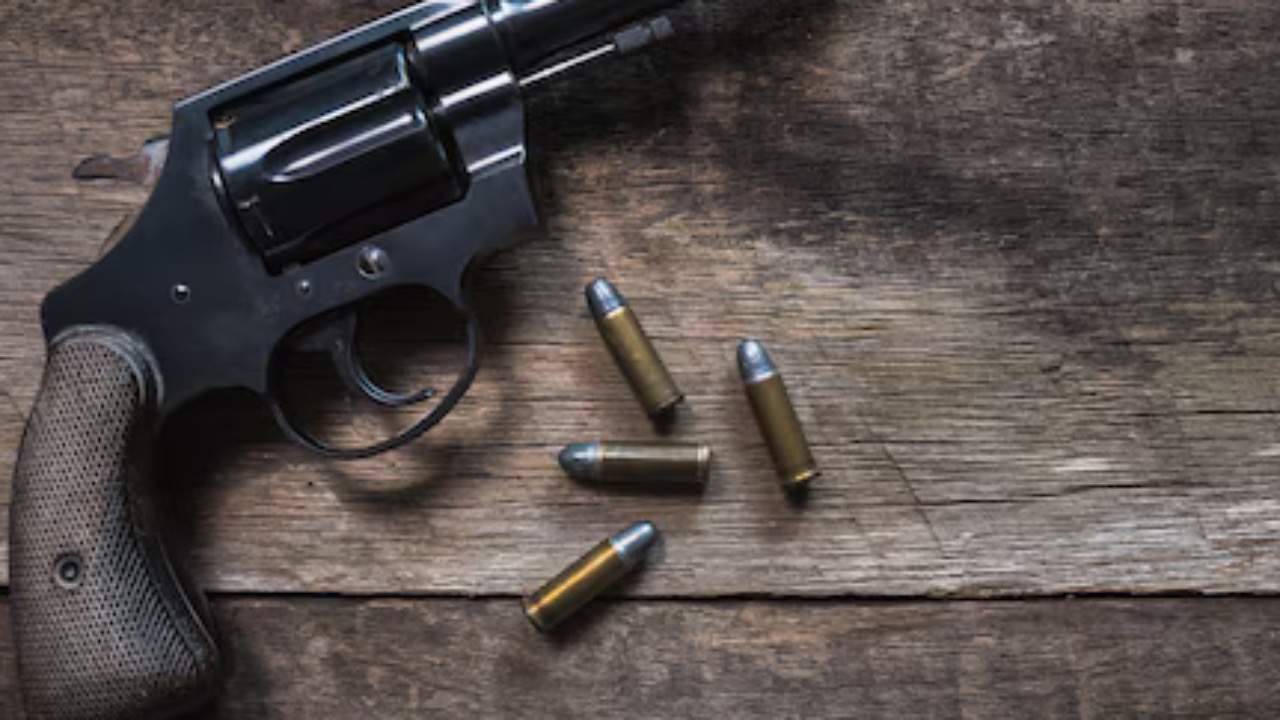
Caliber debates thrive because they let people talk about hardware instead of hard work. One detailed discussion of everyday carry points out that arguing over stopping power is easier than admitting that many owners have not dry fired with purpose, have not been put under pressure in training, and have not tested their gear in realistic conditions. That same source notes that the same effect in all calibers is often possible if the shooter can place rounds quickly and accurately, which makes the obsession with tiny differences in bullet diameter look more like a distraction than a safety strategy, as seen in the argument on stopping power debates.
Identity and nostalgia amplify this distraction. Generations of shooters grew up on stories of .44 and .45 as mythical fight stoppers, and some still treat a favorite cartridge as a badge of seriousness. One long-running critique of these arguments notes that the truth is that for all the energy expended on these debates none of the realistic handgun options are very effective, and bluntly concludes that pistol bullets suck when compared with long guns for stopping determined attackers. That framing from a caliber and terminal analysis strips away ego and leaves a harder question: if every common carry round is a compromise, why is so much energy spent on tribal loyalty to one of them.
What the FBI and medical evidence actually show
Law enforcement experience has already run a large-scale experiment on this question, and the results do not flatter caliber absolutists. After years of shifting between 9 mm, .40 and .45, federal and local agencies that studied their own shootings accepted that modern 9 mm loads meet the same penetration and expansion benchmarks as larger pistol rounds while letting more officers shoot better. One review of how the FBI reignited the pistol caliber war describes agencies that took an honest look at the demographics of their personnel and accepted the fact that law enforcement cannot be issued a single gun and caliber that turns every recruit into the Hammer of Thor, a point laid out in the discussion of FBI handgun choices. The practical takeaway is simple: controllability and qualification scores improved when agencies stopped chasing bigger numbers and instead chose rounds that average officers could fire accurately and repeatedly.
On the medical side, doctors who see gunshot wounds are far less impressed by caliber folklore than internet forums are. One experienced observer notes that Medical professionals experienced in evaluating gunshot wounds often cannot distinguish between common handgun calibers when they examine tissue damage, and that the difference between a 9 mm and a .22 LR is not always obvious from the wound channel alone. That observation appears in a myth-busting look at handgun stopping power that also reminds readers that Let and Medical are not arguing that caliber is irrelevant, only that shot placement and penetration to vital structures dominate outcomes, as explained in the review of handgun stopping power. When trauma surgeons cannot reliably tell which common pistol round was used, the idea that a small jump in diameter guarantees a fight-ending hit starts to look more like marketing than science.
Handguns, rifles and the physics no one wants to argue with
The harshest verdict on pistol calibers comes from physics, not from brand loyalties. Rifle bullets travel much faster, carry far more energy and tend to create both a larger permanent cavity and a more disruptive temporary cavity in tissue. A detailed look at terminal ballistics explains that handguns and the temporary cavity handguns typically do not have nearly enough velocity to create a temporary cavity that will make up for poor shot placement, which is why effective rifle bullets behave so differently in gelatin and in real tissue. That analysis of rifles versus pistols underscores the uncomfortable truth that all common handgun calibers operate in the same relatively low-energy bracket, and none of them can compensate for misses with dramatic shock effects.
Once that is accepted, the difference between 9 mm, .40 and .45 becomes less about raw power and more about what the shooter can manage under stress. One training-focused analysis of real-world shootings found that when analyzing real-world self defense incidents, the ability to get solid hits quickly and to fire multiple shots if necessary mattered more than theoretical energy figures, a point reinforced in the discussion of handgun caliber effectiveness. In that light, the bigger calibers always mean more power claim starts to crumble, especially when shooters with smaller hands or less experience struggle to control snappier recoil and end up landing fewer effective hits.
Myths, marketing and the comfort of big numbers
Caliber debates often rest on myths that survive because they are emotionally satisfying. One popular belief insists that Myth and Bigger calibers always mean more power, and points to .45 ACP as the ultimate standard for stopping power. A closer look at that claim from a modern carry perspective notes that while larger calibers like .45 ACP are known for their stopping power, this does not automatically make them the best choice for every shooter, especially when 9 mm offers similar penetration with lower recoil and cost, as outlined in the explanation of all about gun. That same discussion points out that shooters who pick a cartridge they cannot control often end up slower on follow-up shots and less accurate overall, which directly undermines the supposed advantage of the bigger round.
Marketing and gun culture also lean heavily on dramatic stories of one-shot stops, often with .44 or .45 at the center. A skeptical essay on snub-nosed revolvers notes that 44 and 45 are often treated as magic numbers, then bluntly warns readers to have no faith that any defensive handgun caliber will actually stop a determined aggressor with a single hit, a perspective spelled out in the warning to have no faith in caliber alone. Another commentator asks when 99 percent of the people still furiously debating whether a 9 mm or a 40 cal round works better on human flesh will admit that their time might be better spent on practice, a stinging line that appears in a critique of endless caliber arguments. Those comments cut to the core of the issue: people cling to comforting myths because the alternative is accepting that survival depends more on messy human factors than on cartridge labels.
What actually matters when lives are on the line
When experienced trainers and shooters strip away brand loyalty, their advice converges. One instructor who examined a large sample of defensive shootings concluded that the most reliable predictors of success were awareness, decision-making and the ability to rapidly deliver accurate fire, not the exact diameter of the bullet. That same theme appears in a practical guide that reminds readers that arguing over stopping power is easier than talking about how often they have skipped dry fire sessions or avoided pressure testing, a point made bluntly in the discussion of why people debate. In other words, the truth that few want to admit is that boring fundamentals and scenario training move the needle far more than switching from one mainstream handgun caliber to another.

Leo’s been tracking game and tuning gear since he could stand upright. He’s sharp, driven, and knows how to keep things running when conditions turn.