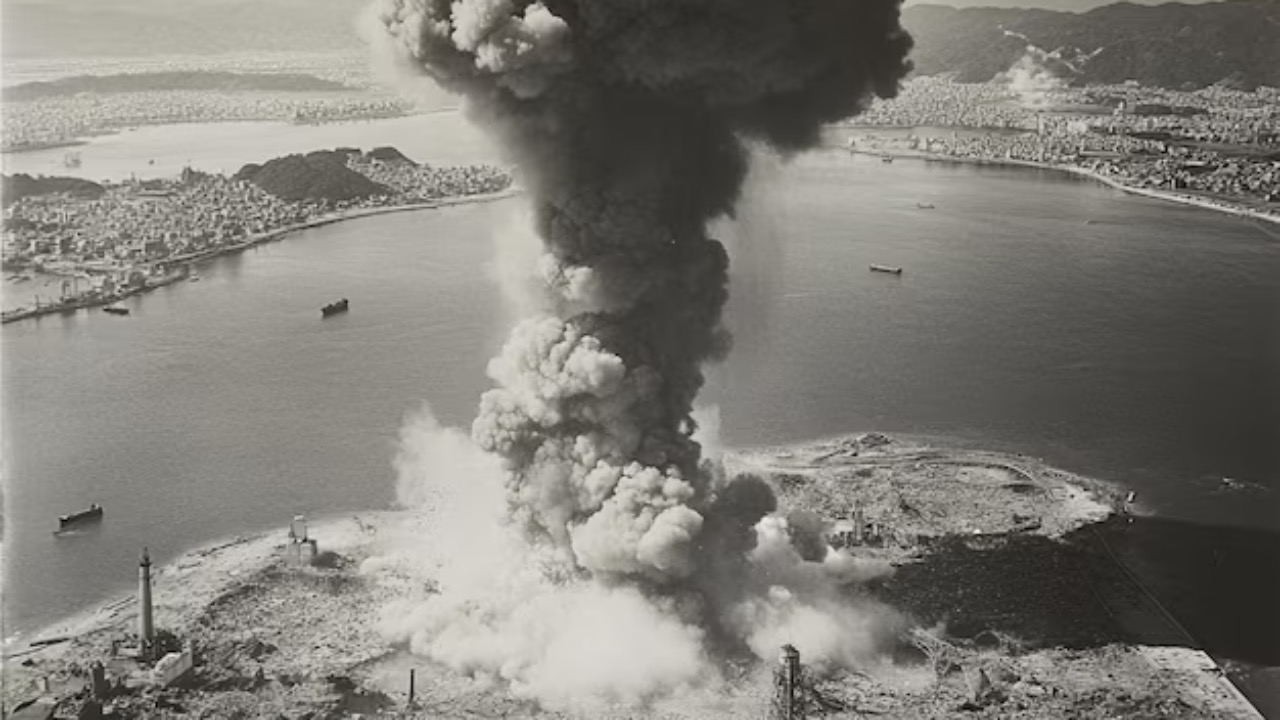
Hiroshima bomber Paul Tibbets chose cremation and no gravesite to avoid future protests
History has a way of following certain men long after their uniforms are folded away. For Paul Tibbets, that reality never really faded. He commanded the B-29 Enola Gay on August 6, 1945, and dropped the atomic bomb on Hiroshima. The mission ended one chapter of World War II and opened another that still sparks debate today.
When Tibbets died in 2007 at age 92, he made a final decision that surprised some people but fit the life he had lived. He requested cremation and no funeral, no headstone, no public gravesite. He didn’t want a physical location to become a stage for protest or political theater. That choice was deliberate, and it says as much about the decades after the war as it does about the war itself.
He Understood the Symbolism Attached to His Name
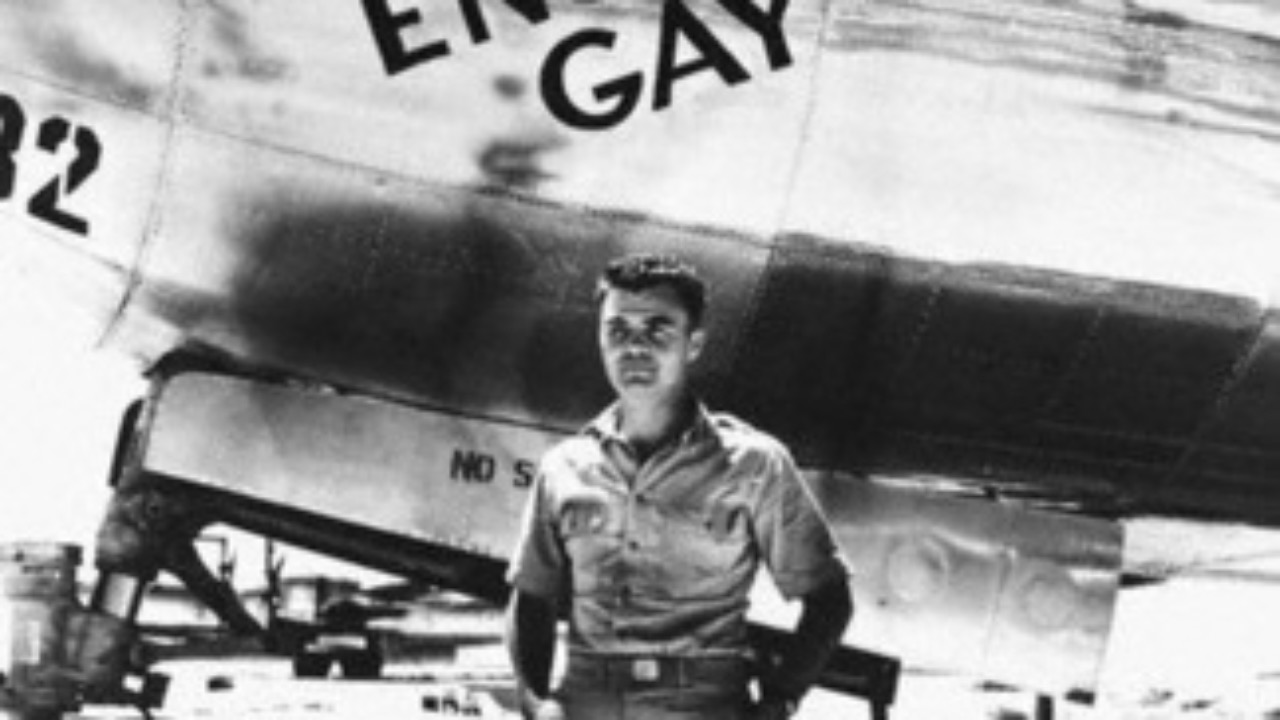
You have to remember that Tibbets wasn’t only a retired Air Force general. In many circles, his name became shorthand for the dawn of the nuclear age. Whether people saw him as a dutiful officer or something far more controversial, he knew the reaction his name could trigger.
He watched protests form around anniversaries and public appearances for years. He understood that a gravesite would likely become a rally point for demonstrations, media attention, and renewed arguments. By eliminating a burial site altogether, he removed a physical symbol that could be used long after he was gone. It was a calculated move, consistent with how he approached scrutiny throughout his life.
His Military Career Extended Far Beyond Hiroshima
If you only know Tibbets for one mission, you’re missing most of the story. He flew combat missions in Europe earlier in World War II and later played a major role in developing strategic bombing tactics. After the war, he remained in the U.S. Air Force and helped shape early Cold War air strategy.
He commanded units, worked in testing programs, and stayed deeply involved in aviation. Yet public attention rarely drifted far from that August morning in 1945. By declining a gravesite, he ensured that his broader career wouldn’t be overshadowed by annual protests centered around a marker bearing his name. He seemed to accept that history would judge the mission, but he didn’t want a permanent monument turning that judgment into spectacle.
He Never Expressed Public Regret
One thing you notice when reading Tibbets’ interviews is his consistency. He repeatedly said he felt no remorse for carrying out the mission. In his view, he was following lawful orders during a total war, and he believed the bombing hastened Japan’s surrender and saved American lives.
That position, steady and unwavering, drew criticism over the decades. For some, it hardened opposition to him personally. He knew that sentiment hadn’t softened by the time he reached his later years. Choosing cremation and dispersal of his ashes avoided creating a site where that unresolved anger could gather. He maintained his stance until the end, and his final arrangements reflected that same resolve.
The Decision Reflected Decades of Public Controversy
Public reaction to the bombing never fully settled into consensus. Museums, textbooks, and political leaders have debated how to present the atomic attacks for generations. Tibbets found himself pulled into those debates, sometimes reluctantly.
In the 1990s, controversy erupted over how the Smithsonian Institution planned to display the Enola Gay. Veterans’ groups, historians, and activists clashed over the narrative. Tibbets criticized what he felt was an unbalanced portrayal. He saw firsthand how quickly historical interpretation could ignite fresh arguments. A gravesite, in that climate, would not have been a quiet resting place. He made sure it wouldn’t exist.
His Ashes Were Scattered at Sea
Instead of a burial plot, Tibbets requested that his ashes be scattered over the English Channel. That location wasn’t random. During the war, he had flown combat missions over Europe and developed as a leader there. It was tied to his broader service, not only the atomic mission.
Scattering ashes at sea left no fixed coordinates for visitors, supporters, or critics. There’s no stone to photograph, no plaque to gather around. For a man whose actions are studied in military academies and debated in ethics classes, that absence feels intentional. It allowed his family privacy and prevented future confrontations at a gravesite.
He Saw Himself as a Soldier Carrying Out Orders
Tibbets consistently framed his role as that of a military officer executing a mission assigned by civilian leadership. The decision to use atomic weapons came from President Harry S. Truman, not from the cockpit of a bomber.
You can agree or disagree with the policy, but Tibbets drew a clear line between political authority and military execution. In his view, his responsibility ended with performing the mission effectively. That mindset likely shaped his end-of-life instructions. He avoided creating a monument that could blur that line again, keeping the focus on national decisions rather than a single pilot’s grave.
The Choice Protected His Family
There’s also a practical side you can’t ignore. Public protests don’t only affect history books; they affect families. A marked grave would have meant security concerns, unwanted attention, and potential conflict for relatives.
By eliminating a burial site, Tibbets shielded his family from becoming caretakers of a lightning rod. There would be no anniversaries spent worrying about vandalism or demonstrations. His cremation ensured that any debate about Hiroshima would remain in the realm of policy and history, not played out at a cemetery gate.
In the end, Tibbets’ final decision was as deliberate as the mission that defined him. He understood the weight of what he had done, how the world viewed it, and how those views might persist. By choosing cremation and anonymity in death, he controlled the last variable he could.

Asher was raised in the woods and on the water, and it shows. He’s logged more hours behind a rifle and under a heavy pack than most men twice his age.