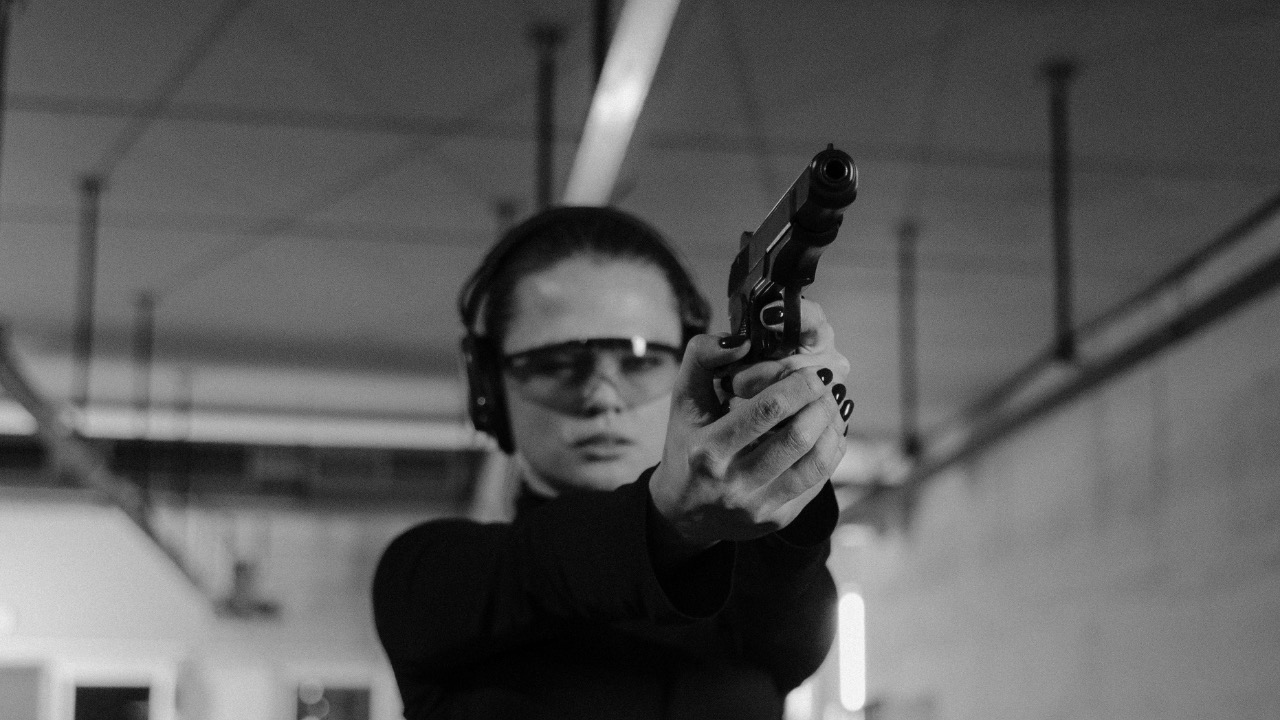
Handguns Many Experts Advise Against for Self-Defense
When a handgun is chosen for self-defense, the margin for error is thin. A model that is unreliable, hard to control, or underpowered can turn a crisis into a catastrophe for the person who bought it in good faith. Experts consistently flag a short list of designs and calibers that tend to fail when lives are on the line, no matter how attractive the marketing or price tag might look.
Instead of chasing the latest gimmick or the cheapest bargain, experienced instructors urge people to avoid specific problem guns and focus on practical, proven tools. The handguns many experts advise against share common flaws: poor reliability, awkward handling, or ballistic performance that simply does not match the demands of real defensive use.
Tiny “Saturday night special” pistols that barely run
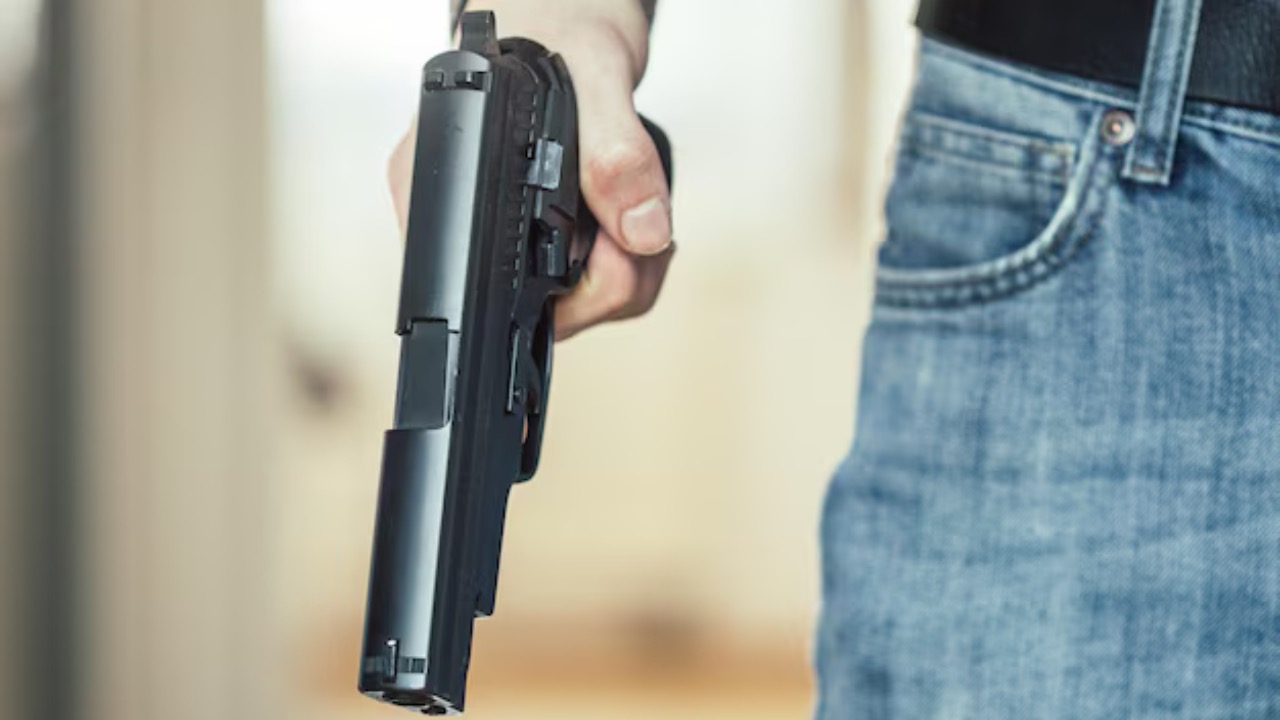
Ultra-cheap pocket pistols are often marketed as an easy way into concealed carry, but many instructors see them as a trap for inexperienced buyers. The Jennings J-22 is a classic example of this pattern, a pistol people pick up because it is small and inexpensive, then quietly abandon after repeated failures. Reporting on The Jennings describes a gun that turns practice into a constant malfunction-clearing drill rather than meaningful training.
To hit a low price point, these pistols often cut corners on materials and quality control, which can mean soft metal parts, crude machining, and magazines that do not feed consistently. When a handgun is already chambered in a modest caliber and then also struggles to fire, extract, or eject, the user is saddled with both low power and low reliability. That combination is exactly what defensive experts warn against, especially for people who may not have the experience to diagnose and work around chronic mechanical issues under stress.
Folding and novelty handguns that slow the first shot
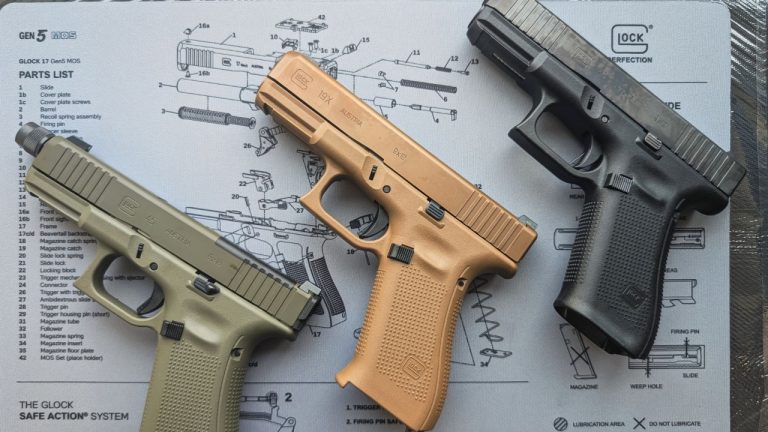
Self-defense shootings are measured in seconds, so anything that delays the first accurate shot can be deadly. Some of the most heavily criticized designs are folding or transforming pistols that trade speed for novelty. A prominent example is the Full Conceal Folding Glock, which starts life as a standard Glock but is heavily modified to fold into a compact package. Analysts who have evaluated this design point out that, although still technically a Glock, the Full Conceal Folding is much slower to deploy than simply drawing a conventional handgun from a holster.
Those extra hinges, latches, and moving parts introduce not only mechanical complexity but also a multi-step manual of arms that must be executed correctly while under threat. In a home-defense context, where adrenaline and low light are already working against the defender, the risk of fumbling the transformation process is significant. Trainers generally prefer simple, modern striker-fired pistols that can be drawn and fired with minimal manipulation, a view echoed by instructors who recommend a straightforward defensive pistol that is easy to operate under stress rather than a clever but complicated folding design.
Underpowered calibers that fail to stop threats
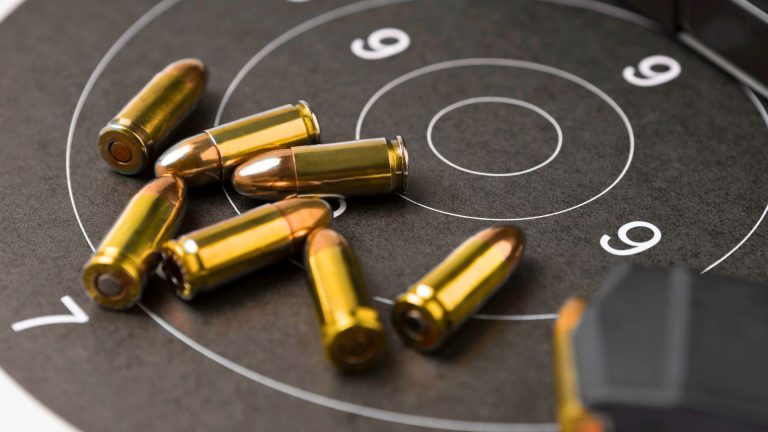
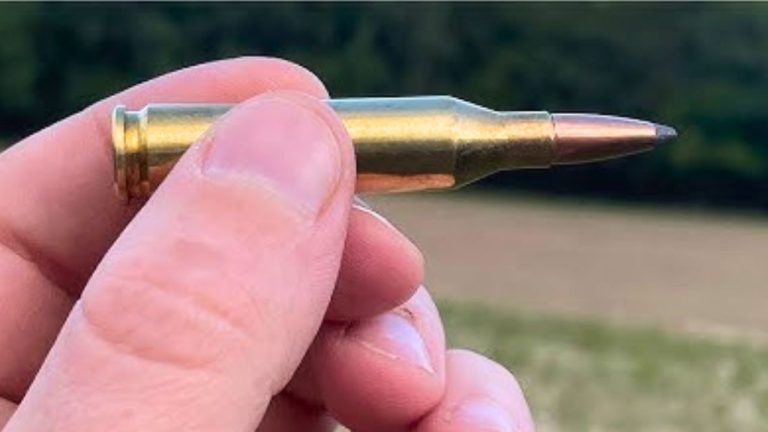
Caliber choice is another recurring theme in expert warnings, especially when it comes to very small cartridges that struggle to penetrate deeply or expand reliably. One detailed review of defensive handgun calibers singles out .25 ACP as particularly poor, noting that 25 ACP hit the market in 1905 as a cartridge for Browning pocket pistols and remains one of the weakest options for modern self-defense. The analysis concludes that of all handgun calibers, 25 ACP is by far the worst for self-defense because it lacks both energy and reliable terminal performance.
Experts extend the same caution to rimfire cartridges such as .22 Long Rifle. Technical testing of .22LR ammunition notes that while the .22LR can be effective in some circumstances, it lacks the raw power and consistent performance of most centerfire options. Analysts highlight that the lower energy of .22LR can struggle against heavy clothing or barriers, especially at distance, which makes it a poor primary choice when a determined attacker must be stopped quickly. Defensive experts typically recommend service calibers that balance controllable recoil with adequate penetration, rather than the smallest cartridges that fit into the tiniest guns.
Oversized magnums and heavy “movie guns” for new shooters
At the other end of the spectrum are oversized, hard-kicking handguns that look impressive but are extremely difficult for most people to shoot well. The Desert Eagle is a prime example, a massive semi-automatic pistol that has a reputation for power and cinematic appearances but a far less flattering record in real training environments. Evaluations of beginner firearms describe how The Desert Eagle is a terrible choice for beginners because its size and recoil make it a handful to control, especially in rapid fire.
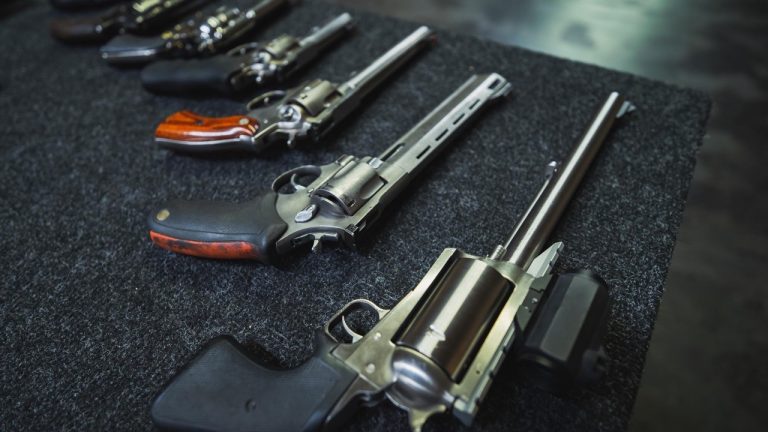
When a handgun is so heavy and punishing to shoot that people avoid practicing with it, their skill level stagnates and their confidence erodes. Large magnum revolvers and similar specialty pistols share the same drawback, particularly for smaller-framed shooters or those with limited hand strength. Instructors generally prefer that new gun owners start with a mid-size handgun in a moderate caliber, which encourages regular practice and better accuracy, instead of a flashy magnum that turns every range session into an ordeal.
Budget compacts with spotty quality control
Price-sensitive buyers often gravitate toward budget compact pistols, but some of these guns have a track record of inconsistent quality that alarms instructors. The Taurus G3C is presented as a sub $300 carry gun, yet reviewers have documented that its quality control is inconsistent. The Taurus G3C has been criticized for rough machining on the feed ramp and slide, and some units exhibit reliability issues that would be unacceptable in a handgun meant to protect life.
A similar pattern appears with The Taurus G2C, which is described as a cheap pistol with random quality control issues. Some units work fine, while others experience stovepiping and other malfunctions that can interrupt a defensive string of fire. When a manufacturer produces pistols that vary so widely from sample to sample, the buyer is essentially gambling on whether their particular gun will run reliably. Defensive experts argue that a handgun carried for protection should be boringly consistent, even if that means spending more upfront, instead of rolling the dice on a bargain model with a mixed reputation.

Leo’s been tracking game and tuning gear since he could stand upright. He’s sharp, driven, and knows how to keep things running when conditions turn.