The Used Firearms Market Is Heating Up — Here’s Why
If you’ve spent any time at a gun counter lately, you’ve probably noticed something: the used rack isn’t gathering dust anymore. Rifles and pistols that once sat for months are moving in days. Prices aren’t always bargains, either. In many cases, they’re creeping close to new-gun territory.
This isn’t random. A mix of economic pressure, political uncertainty, smarter buyers, and better access to online marketplaces has changed how people look at secondhand firearms. You’re not seeing desperation sales. You’re seeing calculated buying and selling. Here’s what’s really driving it.
New Gun Prices Keep Climbing
Manufacturing costs haven’t gone down. Raw materials, labor, shipping, and compliance expenses have all increased over the last several years. That reality shows up on the price tag. Rifles and pistols that once felt affordable now push past what many hunters and shooters want to spend.
When you’re staring at a new MSRP that’s jumped a few hundred dollars, a lightly used version starts to look reasonable. A clean bolt gun with minor handling marks can shoot just as well as the one fresh out of the box. For a lot of buyers, the math is straightforward. Performance hasn’t changed, but the savings matter more than ever.
Quality Control Isn’t What It Used to Be
Talk to gunsmiths and range regulars and you’ll hear the same thing: more new guns are coming back for warranty work. That doesn’t mean every modern firearm is flawed, but production speed and cost-cutting have consequences.
When you buy a used rifle that’s already been shot and proven, there’s comfort in that track record. If it groups well and cycles cleanly, you know what you’re getting. Some shooters would rather trust a five-year-old firearm with documented performance than gamble on a brand-new model that hasn’t earned its reputation yet.
Older Manufacturing Had Different Standards
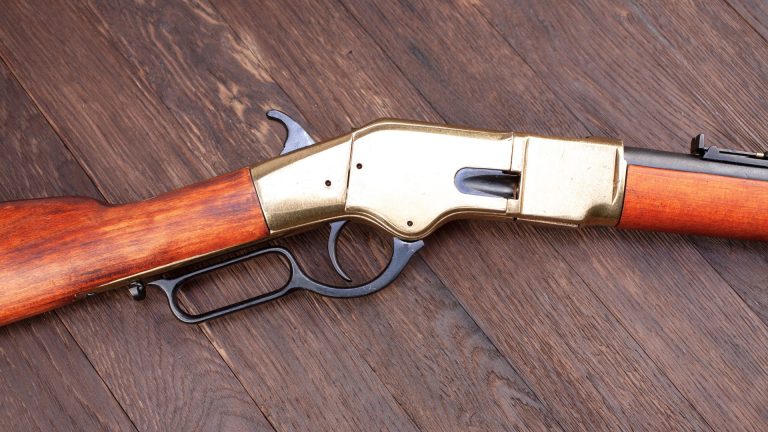
There’s a reason pre-lock revolvers and older bolt guns command attention. Many were built with more machining and less reliance on molded components. Whether you’re looking at a classic lever gun or a steel-framed service pistol, older construction often carries a certain durability.
You feel it in the action. You see it in the finish. That doesn’t make every old gun superior, but it does create demand. Buyers are actively searching for specific production years and configurations that are no longer made the same way. Scarcity alone keeps the used market moving.
Political Cycles Drive Buying Behavior
Every election cycle brings speculation about regulation. Even rumors can spark urgency. When people anticipate restrictions, they start buying — and they don’t limit themselves to new inventory.
Used firearms become part of that rush. Sellers know demand is climbing, so they list. Buyers who missed out on prior surges aren’t waiting this time. You see it most clearly when certain models vanish quickly, regardless of condition. The used rack becomes an extension of the new market during periods of uncertainty.
Online Marketplaces Changed Everything
Twenty years ago, you were limited to local shops and gun shows. Now, online platforms connect buyers and sellers nationwide. That wider exposure means niche firearms find interested buyers faster.
If you’re looking for a discontinued rifle chambered in an uncommon cartridge, chances are it’s listed somewhere. Sellers benefit from broader visibility, and buyers gain access to inventory far beyond their zip code. The result is faster turnover and more competitive pricing. Convenience has poured fuel on the used market.
Inflation Has People Protecting Their Money
When inflation rises, tangible goods look attractive. Firearms hold value better than many consumer products, especially if they’re well maintained.
You’re not seeing panic buying as much as strategic purchasing. Some buyers view used guns as both tools and stores of value. A solid rifle or handgun doesn’t become obsolete overnight. If needed, it can often be resold with minimal loss. That practical stability keeps money flowing into the secondary market.
First-Time Buyers Are Getting Smarter
The surge of new gun owners in recent years created a wave of lightly used inventory. Some of those buyers discovered they didn’t enjoy shooting as much as expected. Others upgraded quickly.
Now, more educated first-time buyers are entering the market. They’re researching models, known issues, and fair pricing before spending a dollar. Many choose used firearms deliberately, knowing depreciation hits hardest the moment a new gun leaves the store. That awareness keeps demand steady.
Discontinued Models Create Urgency
Manufacturers regularly drop models or change configurations. Once that happens, supply is fixed. If a rifle had a short production run or a specific feature set, interest tends to grow after it disappears.
You’ve probably seen it happen. A model that once struggled to sell suddenly becomes hard to find. Collectors step in. So do practical shooters who prefer that exact setup. The used market becomes the only source, and prices reflect that limited availability.
Ammunition Availability Influences Sales
Ammo shortages don’t only affect new gun sales. They push people toward calibers they can actually feed. When certain cartridges are easier to find, firearms chambered for them move faster — used or new.
If you’re holding a rifle in a hard-to-find caliber, you might sell it to fund something more practical. At the same time, buyers scan listings for guns they know they can support with available ammunition. Shifts in supply chains ripple straight into the used racks.
Trade-Ins Are Fueling Inventory
Retailers are seeing more trade-ins as shooters refine their collections. Maybe you’re consolidating calibers. Maybe you’re upgrading optics and letting go of older platforms. Those trades keep inventory fresh.
Unlike estate sales or liquidation events, many of these firearms are modern and lightly used. That makes them attractive. Buyers aren’t inheriting unknown wear. They’re picking up guns that may have seen a few range trips and a season in the woods. Clean trade-ins keep the cycle turning.
The used firearms market isn’t heating up by accident. It’s responding to real pressures and smarter consumers. If you’re paying attention, you can spot the trends — and decide whether you’re buying, selling, or holding steady.

Asher was raised in the woods and on the water, and it shows. He’s logged more hours behind a rifle and under a heavy pack than most men twice his age.