The outdoor skills people only learn after something goes wrong
Outdoor education often focuses on packing lists and trail etiquette, yet many of the skills that actually keep people alive only surface after a trip goes sideways. The lessons that stick hardest are usually carved out of panic, cold, or a night that lasted much longer than the weather forecast suggested. Those experiences reveal a gap between what hikers think they know and what the wilderness quietly expects them to prove.
When attitude becomes a survival tool
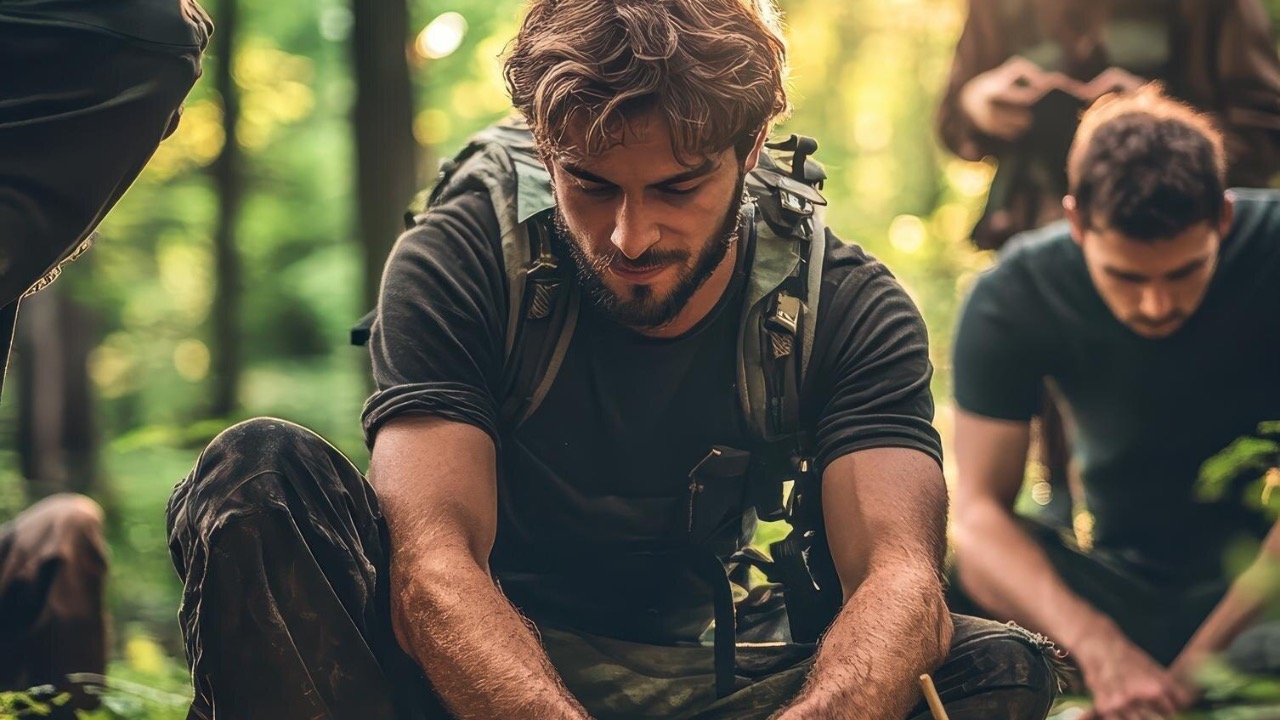
Ask veteran instructors what separates a close call from a tragedy and they rarely start with gear. They start with mindset. One school of thought even ranks Six Basic Survival and puts Number 1 as Attitude. More than any other skill, that inner script determines whether someone freezes in place, blunders deeper into trouble, or calmly works the problem.
That idea echoes a broader concept often called Positive Mental Attitude, or PMA. Training materials describe Panic as the enemy of this state of mind, because Panic leads to poor decision making and rash behavior that compound risk. In contrast, Positive Mental Attitude, or PMA, supports clear thinking about shelter, water, and navigation even when the stakes feel overwhelming. Later, some survival curricula list Positive Mental Attitude as the first priority, ahead of fire or food, precisely because it shapes every other choice.
Real-world case studies tell the same story. In collections of real-life rescues, authors point out that Preparedness Is Paramount and that Each survivor had some mix of survival skills, knowledge, and mental readiness before trouble started. Those who had rehearsed how they would react were better able to slow their breathing, assess injuries, and resist the urge to sprint blindly for help.
The moment people realize survival is not outsourced
Modern hikers often head into remote areas with smartphones, satellite messengers, and weather apps, under the illusion that someone else is quietly supervising the risk. Official guidance pushes back hard on that assumption. One National Park message spells it out bluntly: Everyone has a to maintain self-sufficiency in the wilderness and should always base decisions on getting back out again. The same warning adds that the wilderness cares about you in only one way: it will expose your mistakes.
That shift from expecting rescue to accepting responsibility often comes only after a scare, such as a turned ankle miles from the trailhead or a dead phone during a whiteout. Some hikers describe a specific moment when they realized Survival is Your Own Responsibility, not the job of rangers, apps, or other hikers. That realization tends to change how they plan, from carrying extra layers to learning basic navigation instead of trusting a blue dot on a screen.
Digital tools still matter. The official National Park Service app, available as the National Park Service download, puts maps and alerts in a pocket. Yet even that platform is framed as an aid, not a lifeline. When batteries die or signals vanish, only skills remain.
Gear versus skills, once things actually break
Outdoor culture loves gear. New hikers often spend more time comparing stoves than learning how to use a compass. Instructors who spend their careers in the backcountry tend to see the tradeoff differently. One analysis of survival priorities argues that Gear can break, Batteries die, But skills stay with you for life. That simple chain of logic often clicks only after a critical item fails at the worst time.
In a detailed breakdown of the gear versus skills debate, one video creator explains that no piece of equipment matters if the person carrying it does not understand how to use it under stress. The presentation on what actually matters in survival leans on real-world outdoor and emergency experience to argue that knowledge of shelter building, fire, and navigation is what keeps someone alive, not the latest titanium gadget.
Social media posts echo that view in punchy form. One widely shared prompt asks, If you lost everything but your knowledge, would you survive. It then lists skills like finding and purifying water, building a fire, and crafting a shelter as the true Survival Essentials. The message is simple: a lighter is useless if a hiker has never practiced lighting it in wind and rain, and a water filter is dead weight if the user cannot identify a safe source.
Three skills that only feel obvious afterward
Some outdoor skills are so basic that people assume they will handle them instinctively, right up until they fail. A professional instructor, speaking in a February clip, calls out three very simple skills that everyone should know if they go to the outdoors. The short video on 3 Simple Survival highlights tasks that prevent minor setbacks from turning into emergencies.
Another instructor, in a separate February post, repeats the theme. As a professional survival instructor, the speaker says there are three very simple skills that everyone should know. You go the outdoors with the assumption that you will not need them, yet they become critical when weather shifts or a route disappears. The reel at 3 Outdoor Skills frames them as preventative medicine for bigger problems.
Other educators boil the list down to five or seven core abilities. One popular breakdown of Survival Skills and Wilderness Survival Skills to Learn argues that Learning basic survival skills like first aid, building different types of shelter, and finding water gives people options when plans unravel. Another community discussion spells out specific tasks: Know how to signal for help, Know what to eat and how to find it, Know how to build and maintain a fire, and Know how to find water in unfamiliar terrain. Those lists often look repetitive, yet the repetition reflects how often people get into trouble for skipping the basics.
What failure really teaches in the woods
For many outdoorspeople, the most valuable lessons come not from a class but from a bad decision that did not quite become a disaster. One long-form account of a training hike describes how a participant underestimated the difficulty of finding dry tinder in damp conditions. During the hike the author notes, During the search for fuel they lost some of the dry tinder they had gathered, which made the chance of getting a fire going much smaller. The reflection on what you canconcludes that the rules for training were similar to what happens when people get lost in the wild.
Other instructors catalog mistakes so students do not have to repeat them. A list of 8 Common Mistakes of Wilderness Survival opens with No Shelter This as the first and perhaps most deadly error. The author explains that this is a two fold mistake that will cost you your life in a Wilderness Sur emergency. People either fail to pack basic shelter or do not know how to build a shelter quickly enough to stay warm and dry.
Behavior patterns matter as much as technical errors. One video on three deadly behaviors that get hikers into trouble warns that underestimating conditions, leaving the trail, and pushing on while exhausted can be as dangerous as any storm. Another training piece, titled Survival 101: 5 Ways to Stay Out of Trouble in the Outdoors, stresses that Panic leads to poor decision making and rash behavior, while Positive Mental Attitude, or PMA, keeps people calm enough to use features to get their bearing.
Simple habits that prevent the worst stories
After a scare, many hikers quietly change how they move through wild places. Some adopt the S.T.O.P. method taught in search and rescue circles. When lost, they are told to Stop, Think, Observe, and Plan instead of wandering aimlessly. A training video notes that Thousands of people become lost in the wilderness every year and presents S.T.O.P. as a mental checklist that keeps them from becoming statistics.

Leo’s been tracking game and tuning gear since he could stand upright. He’s sharp, driven, and knows how to keep things running when conditions turn.