Draft exemptions explained as global conflict fears resurface
Rising tensions among major powers have revived public anxiety about conscription, especially in countries that rely on volunteer militaries. As talk of a wider conflict grows louder, so do questions about who could be forced to serve, who might be excused, and what legal protections exist. Understanding how draft exemptions work, and how they are changing in other democracies, has become part of how citizens gauge their own exposure to a potential global crisis.
Those questions are particularly sharp in the United States, where the draft has been dormant for decades but registration remains mandatory. They are also surfacing in places like Israel, where long-standing exemptions are being dismantled in real time, and in online debates where rumors about instant conscription compete with sober assessments from military planners and legal experts.
Why draft fears are back on the agenda

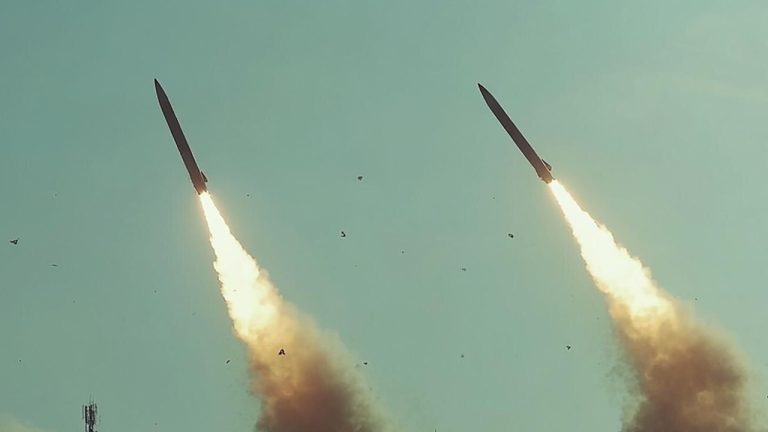
Public concern about conscription has spiked alongside fears of a wider war that some commentators have framed as a path to “WW3.” Coverage of those anxieties has described how global conflict talk has revived draft speculation and even pushed some Americans to consider extreme alternatives to military service, including relocating to places like Greenland, a sovereign Danish territory, to avoid hypothetical mobilization scenarios. One widely shared report described how Feb discussions of great power confrontation fed online panic about whether Americans might face a humiliating choice between combat and exile, illustrating how fast speculation can outpace policy reality when security headlines turn darker.
Analysts, however, have stressed that conscription is becoming rarer worldwide, not more common. A detailed commentary argued that, After decades of becoming increasingly rare, the military draft has receded in many democracies, even as governments worry about major war and great power competition. That analysis, originally tied to Foreign Policy, framed renewed talk of conscription as a symptom of geopolitical anxiety rather than proof that mass mobilization is imminent, suggesting that public fear is running ahead of the legal and political thresholds needed to actually restart a draft.
How the U.S. draft system works today
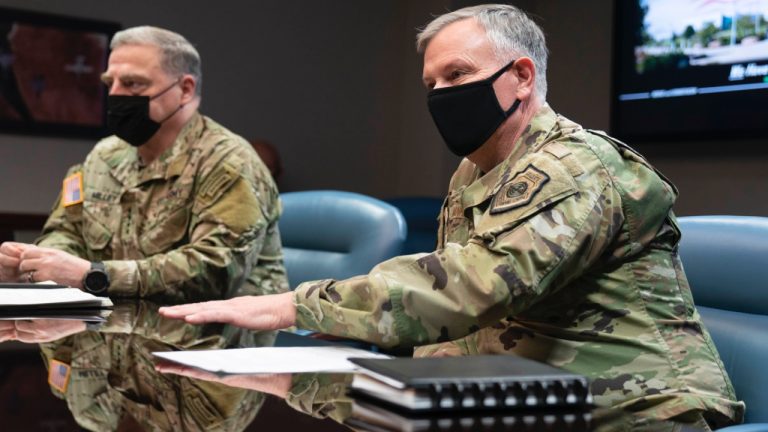
In the United States, the basic architecture of conscription remains in place even though it has not been used since the Vietnam War. Federal guidance notes that The United States has not had a draft since 1973, and that Congress and the president would both have to authorize any return to compulsory service. In the event of a national emergency, In the law, the Military Selective Service Act would govern how eligible young men are called up, starting with those already registered with the system. That dual requirement for Congress and the executive branch is one reason legal experts view a snap return to conscription as politically difficult, even in a severe crisis.
Registration itself, however, is not optional. Currently, all men between 18 to 25 are required to register with the Selective Service System, and federal agencies tie compliance to access to certain benefits and opportunities. The official sss.gov portal explains how registration works, who must sign up, and what happens if someone fails to comply. While the system has become largely invisible to many families, it remains a legal backbone that could support rapid mobilization if lawmakers ever chose to reactivate the draft.
Who is exempt, who is deferred, and who can object
If Congress and the president did approve a return to conscription, the next question would be who actually ends up serving. Official planning documents spell out a complex hierarchy of exemptions and deferrals that would shape that answer long before any individual induction notice arrives. One key guidance page on a possible return to the notes that Certain elected officials could be exempt so long as they continue to hold office, and that Veterans are generally exempt from service in peacetime drafts. The same planning framework describes how family status, occupation, residence and country of citizenship would factor into who is called and who is deferred, reflecting a long tradition of balancing military needs with social and political constraints.
Conscientious objection is another central protection that has evolved through law and protest. Historical work on the Vietnam era shows how Draft resisters filed for conscientious objector status, did not report for induction when called, or attempted to claim disability, sometimes relying on underground railroad networks of antiwar supporters to avoid prosecution. Current guidance on who would be in charge of reinstating a military draft explains that a draftee could request to be reclassified, including as a conscientious objector, after he is drafted but before the day he is due to report, and that such a classification could lead him to be exempt from the draft or assigned to alternative service. Those past struggles and present procedures shape how younger Americans think about moral and legal avenues if conscription ever returned.
Israel’s exemption fight and what it signals
Outside the United States, some of the most intense debate over draft exemptions is unfolding in Israel. Earlier in Jun, Israel’s highest court ordered the army to end draft exemption for ultra Orthodox men, a decision that struck at a long standing arrangement that had allowed tens of thousands of religious students to avoid conscription. A detailed account noted that But with a slim majority of 64 seats in the 120-member parliament, the governing coalition has been heavily dependent on smaller ultra Orthodox parties that view continued exemptions as a core demand. That tension between coalition math and battlefield needs has turned what might seem like a technical personnel issue into a defining test of Israel’s wartime politics.
Television coverage from Jun featured Jerusalem based reporting that described how protesters and supporters of the exemption policy clashed in the streets while legal experts parsed the ruling. One segment followed correspondent Iris Mackler as she explained why the court’s move to end draft exemptions for ultra Orthodox Jews could reshape both the army and the political system. The Israeli court decision has become a touchstone in global debates about fairness, sacrifice and whether some communities should be shielded from the burdens of national defense while others fight.
From rumor to policy: separating speculation from law
As fears of escalation mount, rumor has often outrun statute. Viral posts have claimed that the draft has already been reinstated or that young people will be seized without warning, even when official channels say otherwise. One widely shared feature described how WW3 fears revive draft talk as Americans face a humiliating alternative to conscription, with some Americans gaming out escape plans to Greenland rather than trusting that democratic checks would slow any move toward forced service. That same coverage from Feb illustrated how quickly Americans can imagine worst case scenarios when they see images of conflict, even if no legal steps toward a draft have been taken.
Government and independent analysts have tried to pull the conversation back to what the law actually allows. A fact check published in Jun explained that there had been no move to bring back conscription in the United States and that a Proposed change to the National Defense Authorization Act did not alter the basic requirement that Congress and the president must approve any draft. Another explainer on Why Are People Worried the Draft Might Come Back traced current anxiety to a mix of global events, political tensions and misinformation that spreads rapidly on social media whenever conflict flares. Those efforts to clarify the rules sit alongside more academic work, including a Jul commentary that argued in return of the debate that modern wars might still be fought with professional forces, even if governments keep conscription systems as a last resort.

Leo’s been tracking game and tuning gear since he could stand upright. He’s sharp, driven, and knows how to keep things running when conditions turn.