Eight things your cat loves that most owners forget to do
Cats are often described as low maintenance, yet detailed guidance on Cat Care Essentials shows that How to Keep Your Feline Friend Happy and Healthy Caring for a cat involves much more than topping up food and scooping a litter box. Many of the habits that truly light up a cat’s day are small, specific behaviors that owners overlook, even though Every cat owner knows that a happy cat makes for a happy home. When those emotional needs are met in thoughtful ways, the payoff is a calmer animal and a stronger bond.
Behavior specialists repeatedly find that Meeting a cat’s mental and emotional needs reduces stress and behavior problems, and that indoor pets in particular need help to stay engaged. Against that backdrop, here are eight things most cats quietly crave, drawn from behavior research, Cat Care Essentials, and trainers who work with thousands of animals, yet that 99% of owners rarely turn into a consistent routine.
1. A slow, respectful greeting ritual
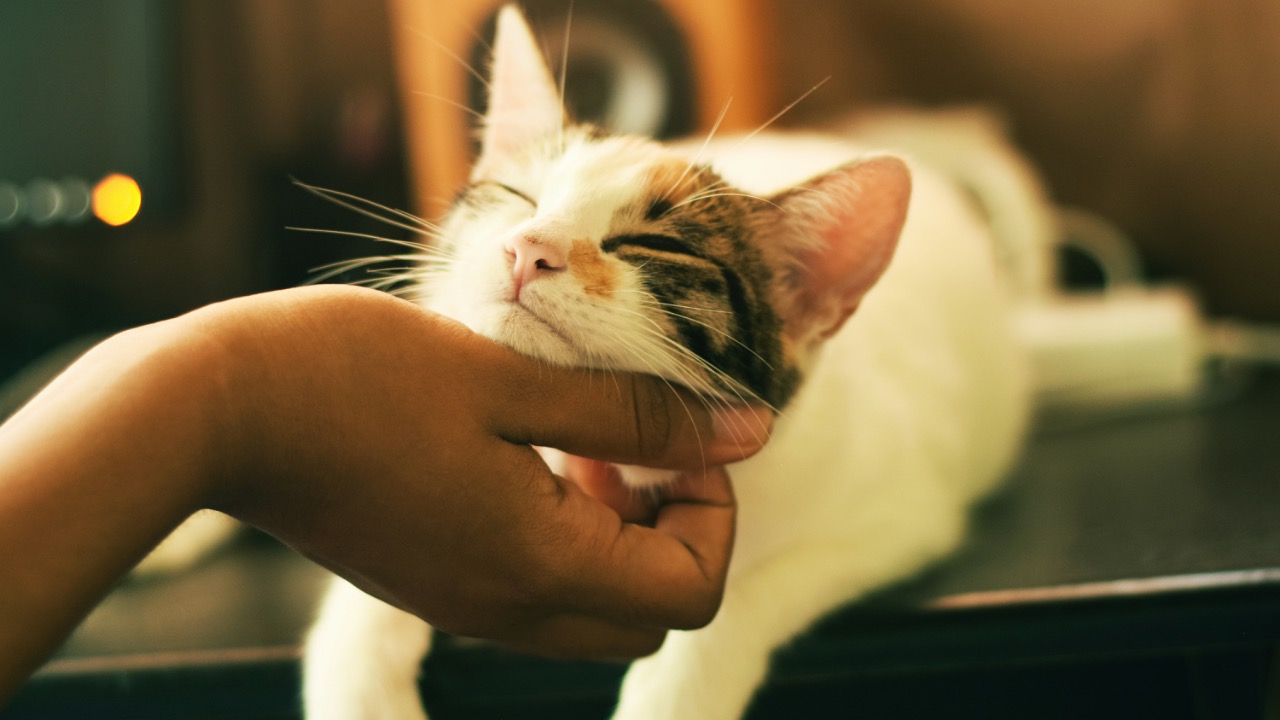
Owners often walk through the door, drop their bags, and rush straight in for cuddles. Video guidance that lists “the greeting ritual” as the first thing cats wish humans did differently argues this is a big mistake, because it ignores how sensitive cats are to sudden contact. Trainers in that clip stress that a cat’s preferred welcome starts with eye contact and a calm hello from a distance, then a chance to approach on their own terms.
Other behavior coaches echo this idea, explaining that cats use a whole sequence of signals when someone comes home: tail held high, a slow blink, maybe a gentle rub against a leg. When humans skip straight to scooping them up, the animal loses the opportunity to offer those signals. Over time, that can encourage avoidance or swatting instead of relaxed affection.
Experts who coach cat parents suggest a simple script. Owners step inside, speak softly, crouch down, and hold out a hand for the cat to sniff. Only when the cat leans in, head bunts, or wraps a tail around the leg does the human add petting. This kind of predictable ritual is one of the small moments of love that, as Jan explains in a guide to 25 indoor cat habits, 99% of owners do not even notice but that quietly matter to the animal’s sense of safety.
2. “Reverse psychology” choice instead of forced affection
Another underused tactic is giving cats the illusion of choice. In a widely shared training video, Jun walks through what she calls a reverse psychology approach that works like magic for shy or touch-sensitive animals. Instead of chasing the cat for cuddles, Jun sits nearby, turns slightly away, and lets the animal decide whether to bridge the gap.
That method lines up with broader advice from Cat Care Essentials, which stresses that How to Keep Your Feline Friend Happy and Healthy Caring for a cat means reading body language and backing off when ears flatten or the tail twitches. Cats that know they can say “no” to touch are more likely to offer “yes” later, because they do not associate the owner’s hand with being pinned or overhandled.
Trainers also recommend pairing this choice based approach with high value rewards. A cat that hesitates to come closer can be rewarded with a treat tossed a little distance away, then progressively nearer to the human. Jun’s reverse psychology method uses this pattern to build confidence, particularly for animals that have learned to hide when people reach toward them.
3. Long, focused play sessions that mimic hunting
Many owners wave a toy for a minute or two and assume the cat is set. Yet behavior teams that specialize in indoor pets argue that regular interactive play sessions are one of the most powerful tools for preventing stress and destructive habits. Guidance on seven enrichment ideas for house cats highlights wand toys, feather lures, and chase games that mimic stalking and pouncing as the most effective options.
Staff at shelters that focus on Keeping Your Indoor Cat Stimulated and Happy point out that cats that knock over cups or follow people from room to room are often signaling boredom. Their advice is to schedule at least two structured play blocks each day and to rotate toys to keep the novelty effect. Change is interesting, and cats notice when the environment offers new textures and movement.
Short educational clips on budget-friendly enrichment also suggest simple upgrades like using a cotton towel or fluffy blanket as a base for play, then folding treats inside so the cat has to dig and paw to earn them. These sessions tire the animal physically and mentally, which in turn can reduce night zoomies and attention seeking meows.
4. Vertical territory and safe climbing routes
Indoor cats often live in cramped apartments, yet their instinct is to move vertically as much as horizontally. Welfare groups that share Creative Enrichment Ideas to Boost Your Indoor Cat’s Happiness describe vertical structures and climbing opportunities as one of the most effective ways for cats to engage with their space. Tall shelves, window perches, and multi level trees let them survey their territory and retreat when they feel overwhelmed.
Behaviorists explain that this is not just about burning energy. High resting spots give cats a sense of control, which can lower anxiety and reduce conflict in multi pet homes. When each animal has its own perch, they can share a room without constantly negotiating over the same cushion or chair.
Guidance from rescue organizations also warns that a lack of vertical options can contribute to stress, anxiety, and depression in indoor animals. Those mental health issues often show up as overgrooming, hiding, or litter box accidents. Adding a simple wall mounted shelf route or a tall scratching post can change how a cat uses an entire room, especially if the perches are placed near windows or other vantage points.
5. Predictable grooming time that feels like social bonding
Many owners treat brushing as a chore, or skip it entirely if the cat seems to manage its own coat. Yet behavior summaries on A Few of Your Feline’s Favorite Things emphasize that Cats love grooming themselves and being groomed, and that they can spend a large portion of their waking hours on this ritual. Structured grooming sessions with a human tap into that instinctive behavior and can feel like social bonding rather than hygiene.
Guidance on eight favorite feline activities notes that Grooming is essential for Cats because it helps distribute natural oils, keeps fur clean, and supports skin health. When a human uses a soft brush to gently sweep from the middle of the back down to the tail base, as one list of secretly loved habits suggests, it becomes a low pressure way to offer touch in areas cats often enjoy.
Owners who want to build trust are encouraged to keep grooming short and predictable. For example, one or two minutes after dinner, always using the same brush, and always stopping before the cat gets overstimulated. Over time, many animals will start to trot over when they see the grooming tool, because they associate it with calm attention rather than restraint.
6. True mental work, not just more toys
Behavior specialists repeatedly remind owners that Meeting a cat’s mental and emotional needs requires more than a basket of balls and plush mice. Resources on the best indoor cat enrichment ideas stress puzzle feeders, treat mazes, and foraging games that make the animal think, solve, and experiment. These activities mimic the problem solving involved in hunting and foraging in the wild.
Rescue organizations that focus on creative enrichment warn that Beyond the outward signs of boredom, a lack of stimulation can lead to stress, anxiety, and depression that spill over into behavior issues. Scratching furniture, over vocalizing, and even aggression can sometimes be traced back to a life that is too predictable and too easy.
Veterinary clinics that share Essential Tips to Keep Your Cat Happy and Healthy in 2025 argue that Every cat owner who invests in mental challenges, not just physical toys, is more likely to see a confident, curious animal. But those same clinics caution that Beyond the basics of food and shelter, owners need to rotate puzzles and adjust difficulty so the cat experiences small wins rather than constant frustration.
7. High quality rest and safe, soft “nests”
Sleep is one of the most underestimated feline needs. Behavior summaries on eight favorite cat activities list in their Key Takeaways that Cats love to sleep for extended periods, typically 12 to 16 hours a day, and who can blame them. That level of rest is not laziness, it is part of a natural rhythm built around short bursts of activity and long recharge phases.
Guides on a few of a feline’s favorite habits add that Cats also love sleeping and napping in specific, cozy spots, and that they often choose locations that smell strongly of their humans. Simple upgrades like a soft blanket on the couch, a cotton towel on a chair, or a box lined with a worn T shirt can make a big difference. One short video on budget-friendly ways to make your cat happy suggests exactly that kind of towel or fluffy blanket as a low cost comfort tool.
Veterinary advice on Cat Care Essentials notes that How to Keep Your Feline Friend Happy and Healthy Caring for a cat includes providing quiet, draft free resting places away from heavy foot traffic. Senior animals and those with joint issues benefit from beds with extra padding and from ramps that make it easier to reach favorite perches without jumping from high furniture.
8. Short, daily connection rituals tailored to indoor life
Indoor cats often share limited space with their humans, yet still feel lonely. Educational creators who focus on how to keep indoor cats HAPPY, even with limited space, show this clearly. In one such video, the host introduces a kitten named Loki and explains that she creates educational content for cat lovers and relatable content for cat ladies, then walks through small, repeatable routines that help animals like Loki thrive.
Those routines include talking to the cat during everyday tasks, inviting them to follow from room to room, and setting up windows with bird feeders or street views. Shelters that specialize in Keeping Your Indoor Cat Stimulated and Happy point out that Your pet might shadow people around the home or knock over cups not out of malice but because the environment feels static. Short, predictable connection points, such as a five minute play session before work and a grooming check in at night, help structure the day.
Behavior experts who speak on big stages also emphasize the impact of these tiny habits. In a talk on how to make a cat happier in three minutes, Nicky explains that when she was asked to do this TED session, she sat down with her own pet and asked what would make the biggest difference. Her conclusion was that consistency matters more than grand gestures, and that three focused minutes of play or affection often beat an hour of distracted cohabiting.

Leo’s been tracking game and tuning gear since he could stand upright. He’s sharp, driven, and knows how to keep things running when conditions turn.