Native American tribe holding land under Billie Eilish’s L.A. mansion addresses the singer’s political messaging
Billie Eilish’s latest Grammy win has collided with a very local history lesson in Los Angeles, after her “stolen land” remark drew a pointed response from the Native American tribe that says its ancestral territory includes the ground beneath her multimillion‑dollar home. The Tongva people, whose traditional lands cover much of modern L.A. County, have publicly addressed both her political message and the fact that she owns a mansion on what they describe as their ancestral land. Their reaction has turned a viral awards‑show soundbite into a concrete debate about land, power and what accountability looks like when celebrity activism meets Indigenous claims.
At the center is a tension that goes beyond one singer or one house: a Grammy stage statement about immigration and historical dispossession, and a tribe that has spent generations fighting for recognition, visibility and material redress. By speaking directly about Eilish’s property and her words, Tongva representatives have forced a broader conversation about how far star‑driven political messaging should go, and what it means when those messages are delivered from homes built on contested ground.
Grammys speech that lit the fuse
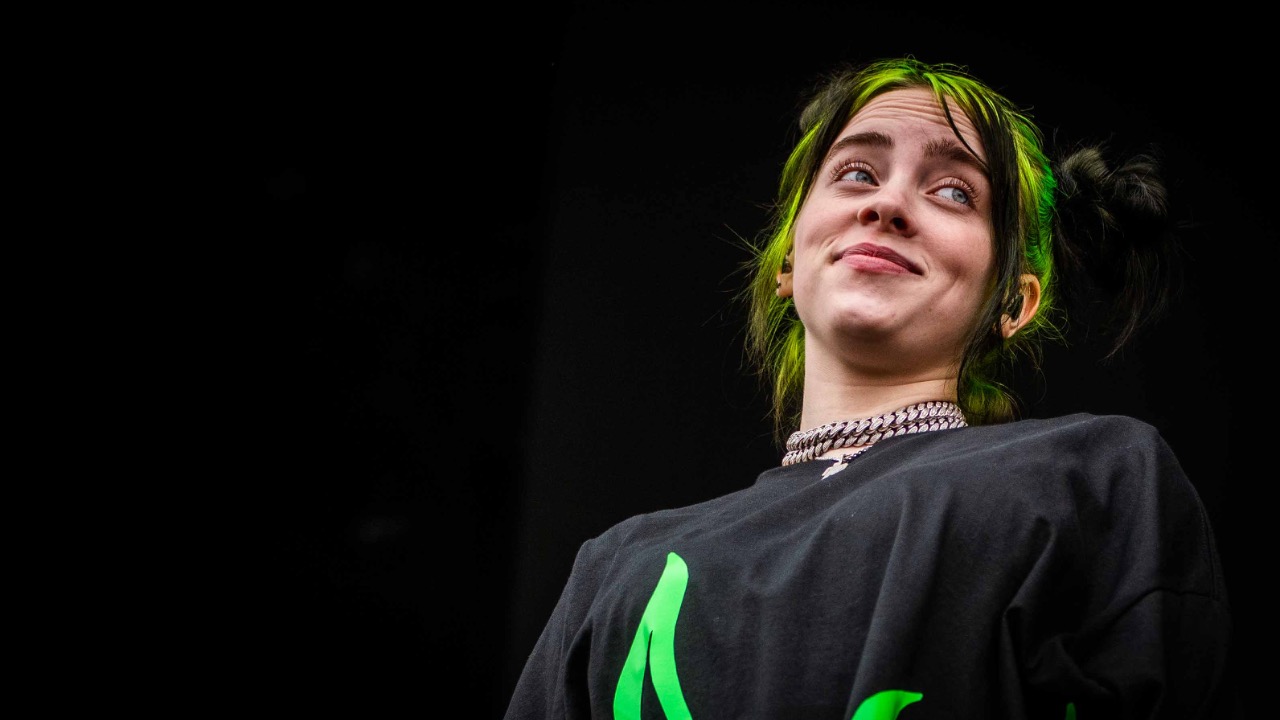
The controversy began when Singer Billie Eilish used her acceptance speech at the 68th Annual Grammy Awards to link immigration politics with the history of conquest in the United States. While accepting a trophy, she told the audience that “no one is illegal on stolen land,” a line that instantly framed current debates over border enforcement as part of a much longer story of Indigenous dispossession, and that echoed language often used by immigrant rights organizers. Her comment was delivered as a moral claim, not a policy proposal, but it was clear she intended to challenge how viewers think about who is seen as belonging in the country.
Her words landed in a political climate where immigration enforcement and the role of agencies like ICE are already flashpoints, and where celebrities are frequently criticized for either staying silent or speaking in ways that feel disconnected from their own lives. The phrase “no one is illegal on stolen land” has circulated for years in activist circles, but hearing it from a Grammy‑winning pop star on one of music’s biggest stages gave it a new level of visibility, and it quickly spread across social media clips and fan accounts that highlighted After Billie Eilish and her willingness to weigh in on social and historical issues.
The Tongva tribe steps forward
What made this speech different from the usual awards‑show politics was that a specific Native nation, the Tongva, quickly stepped into the conversation. The tribe, which identifies itself as Indigenous to the Los Angeles basin and nearby islands, publicly noted that Eilish’s Los Angeles mansion sits on what it calls its ancestral territory. In a statement, a spokesperson explained that the home is located within Tongva homelands and that the tribe has not been contacted by the singer about her property, even as she invokes the language of “stolen land” in front of a global audience.
Rather than simply condemning her, the tribe’s representatives tried to thread a careful line between appreciation and critique. They acknowledged that when Public Figures like Eilish speak about Indigenous issues, it can bring much‑needed visibility to communities that still lack federal recognition or a reservation of their own. At the same time, they emphasized that visibility without direct engagement can feel hollow, especially when the person speaking owns a $3 million home on land the tribe considers stolen. That dual message, reported in detail by outlets that quoted the Tongva spokesperson, set the tone for the debate that followed.
The mansion on contested ground
Criticism of Eilish’s speech intensified once attention turned to her real estate. Reports highlighted that the “Birds of a Feather” artist owns a roughly $3 million Los Angeles mansion, and that the Native American tribe ancestral to that area has long argued that the land was taken from them without consent. Commentators pointed out that the property sits in a neighborhood that falls squarely within Tongva traditional territory, and that the tribe has repeatedly described the broader region as its “ancestral land,” language that was echoed in coverage of the home’s location and value.
That detail shifted the conversation from abstract solidarity to a concrete question about personal responsibility. Social media critics, including figures like Eric Daugherty, argued that it was contradictory for Eilish to denounce “stolen land” while living in a luxury property on Indigenous territory, and some went further, suggesting she should return the house or its value to the tribe. One report described how fans and detractors alike seized on the fact that her Los Angelesmansion sits on land belonging to the Tongva, with some posts calling for her to “give it back” after the speech, a wave of reaction that was captured in coverage of But critics on social media who questioned whether she had the moral high ground.
What the Tongva actually said
Amid the online pile‑on, the Tongva tribe’s own message was more measured than some of the loudest voices demanding that Eilish hand over her keys. In their statement, tribal representatives confirmed that her home does allegedly sit on their ancestral territory and reiterated that Eilish has not contacted them directly about her property. They stressed that they value moments when high‑profile figures draw attention to Indigenous issues, but they also used the opportunity to call for more than symbolic gestures, urging meaningful engagement with the people whose land is being referenced.
According to accounts of the statement, the tribe did not accuse Eilish of personal wrongdoing in acquiring the house, which was purchased through the standard real estate market. Instead, they framed the situation as a chance for education and dialogue, suggesting that if celebrities are going to use phrases like “stolen land,” they should be prepared to learn about the specific nations whose histories they are invoking. One detailed report on the response noted that the Native American tribe whose ancestral land includes the property was less focused on her property ownership than on the opportunity to talk about their ongoing struggle for recognition, a nuance reflected in coverage that described how the Tongva Tribe tried to offer clarity rather than condemnation.
Virtue signaling or consistent activism?
Outside the tribe, reactions split sharply over whether Eilish’s speech represented principled advocacy or what critics called virtue signaling. Some commentators accused her of using a fashionable slogan without grappling with its implications for her own wealth and lifestyle, arguing that it is easy to denounce “stolen land” from the comfort of a hillside mansion. Others countered that she has a track record of speaking on social issues, and that demanding she immediately surrender her home sets an impossibly high bar that could discourage other artists from taking any political stance at all.
The phrase “virtue signaling” surfaced repeatedly in coverage that framed the dispute as a test of celebrity sincerity, with one widely shared piece describing how Billie Eilish was called out by the Tongva for her Grammys remark and her property holdings. That framing resonated with audiences already skeptical of Hollywood progressivism, and it dovetailed with social media posts that mocked her as hypocritical. Yet the tribe’s own comments, which emphasized education and visibility, complicated the narrative that she had simply been “owned” by Indigenous critics, a tension that was evident in reporting that noted how Billie Eilish was accused of virtue signaling even as the tribe stopped short of demanding she vacate the property.
Who the Tongva are, beyond a headline
The sudden focus on Eilish’s house has also drawn attention to the Tongva themselves, a people whose history in the Los Angeles region long predates the city’s existence. The tribe, sometimes referred to as Gabrieleño, traces its roots to villages that once dotted the basin and nearby islands, and it has spent years pushing for broader public recognition of its culture and land claims. Reports profiling the community explain that the Tongva are considered ancestral to much of the land now covered by freeways and suburbs, and that they continue to assert their presence despite centuries of displacement.
One key detail that has surfaced in recent coverage is that the Tongva do not have a federal reservation of their own, a fact that underscores the gap between symbolic acknowledgments of “stolen land” and the material realities facing many Native nations in California. Tribal members have described how they rely on cultural centers, community organizations and legal advocacy rather than a contiguous land base, and how they see high‑profile moments like the Eilish controversy as chances to educate Angelenos about whose land they occupy. That context has been highlighted in explainers that ask who the Tongva people are and note that they remain without a reservation, including one piece that described how Eilish has not contacted the tribe even as they continue to live without federal recognition or a land base of their own.
Social media backlash and calls to “give it back”
Once the basic facts were out, the story took on a life of its own online, where nuance often disappears. Clips of Eilish’s speech circulated alongside aerial shots of her property, and hashtags framed her as a symbol of celebrity hypocrisy. Some users demanded that she donate the mansion or its value to the Tongva, while others suggested she should at least pay some form of voluntary land tax or enter into a formal agreement with the tribe. The tone ranged from earnest appeals for reparative action to outright trolling, but the common thread was a sense that her words had created an obligation to act.
Coverage of the backlash described how fans quickly highlighted that her $3 million Los Angelesmansion sits on land belonging to the tribe, and how that detail fueled calls for her to “give it back” after the ICE‑related remarks. One report noted that she was photographed stepping out in public amid these demands, underscoring how the controversy had spilled from the digital realm into paparazzi coverage of her day‑to‑day life. The same accounts emphasized that the property is on what the tribe calls its “ancestral land,” a phrase that appeared in descriptions of the home and its location, including a piece that detailed how After the speech, fans tied her ICE comments directly to the land under her house.
How Indigenous advocates frame the stakes
For Indigenous advocates, the Eilish episode is less about one celebrity’s choices and more about how mainstream culture engages with Native sovereignty. Activists have long argued that land acknowledgments and slogans about “stolen land” risk becoming empty rituals if they are not paired with concrete steps, such as supporting tribal governance, returning specific parcels, or funding language and cultural programs. In that sense, the Tongva’s response can be read as an invitation to move from rhetoric to relationship, asking Eilish and her peers to learn about local nations and consider how their wealth might support Indigenous priorities.
Some Native commentators have also pointed out that the backlash to Eilish reveals a double standard in how non‑Native audiences process these issues. When a pop star repeats a phrase that Indigenous activists have used for years, she is immediately asked whether she will surrender her home, while the structural forces that made that home possible, from broken treaties to discriminatory land policies, receive far less scrutiny. Posts that framed the dispute as a clash between Singer Billie Eilish and the Tongva tribe often flattened this complexity, even as they helped spread awareness of Indigenous rights and celebrity controversy, a dynamic captured in social media coverage that described how Singer Billie Eilish was facing criticism tied explicitly to Indigenous rights.

Asher was raised in the woods and on the water, and it shows. He’s logged more hours behind a rifle and under a heavy pack than most men twice his age.