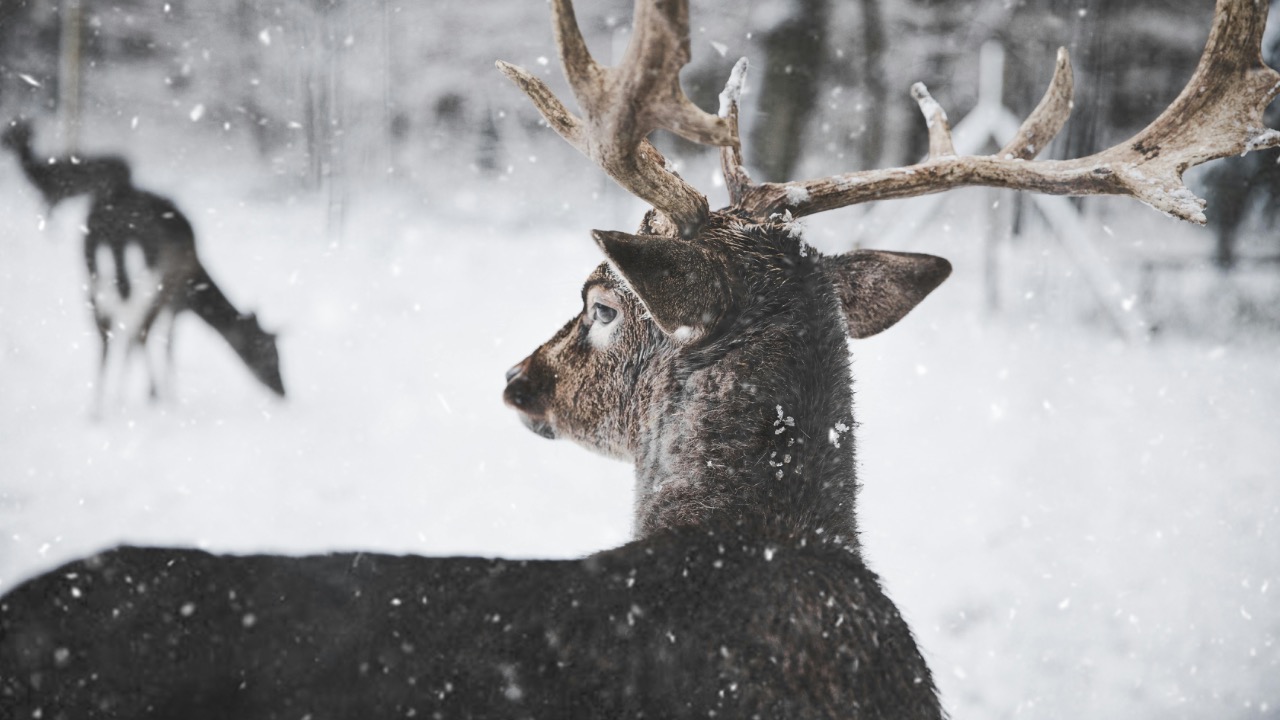
Hunters are seeing less game — and this may be why
Across much of the country, hunters are reporting quieter woods, emptier fields, and long sits without a single glimpse of game. Some of that frustration reflects normal cycles in wildlife and the changing habits of animals that have learned to avoid people. It also points to deeper shifts in climate, land access, and hunter behavior that are reshaping what a “good season” looks like.
Understanding why hunters are seeing fewer animals starts with the biology of deer and other game species, then widens out to climate change, hunting pressure, access to land, and even the decline of hunters themselves. Each piece of that puzzle helps explain why the woods feel different, and what that means for wildlife and conservation funding in the years ahead.
Natural population cycles can look like a crash from the tree stand
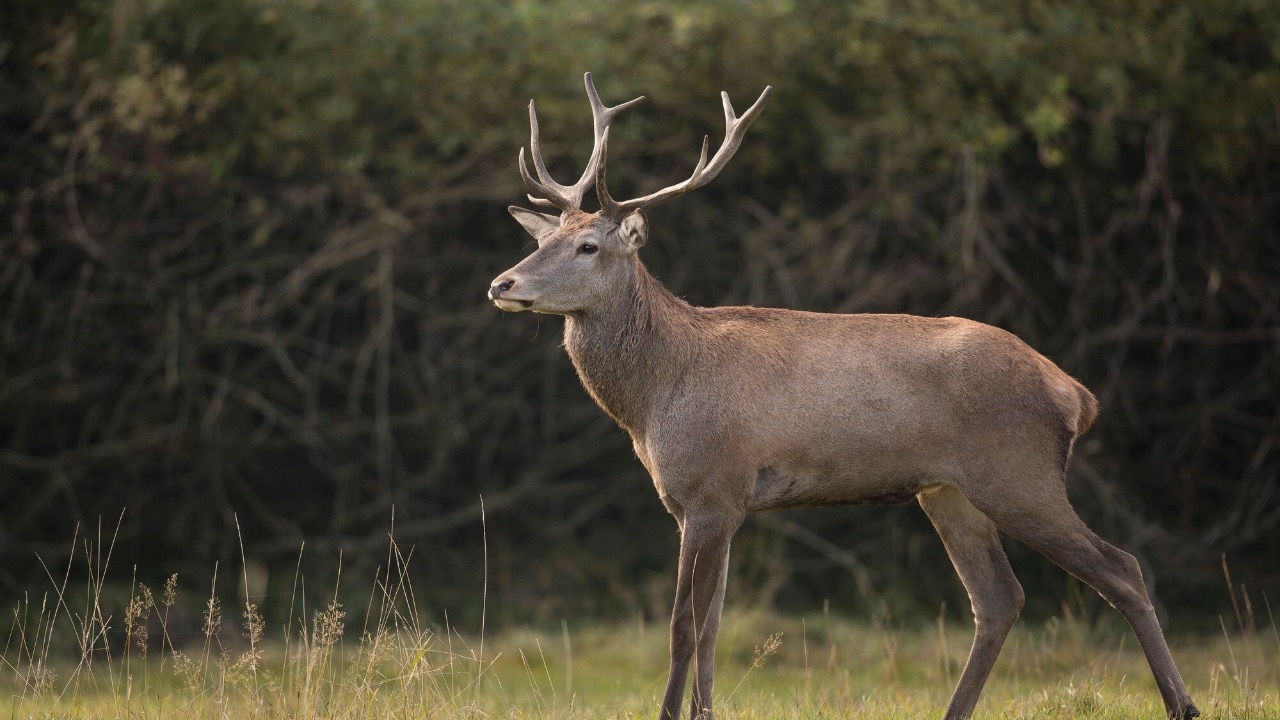
For white-tailed deer, boom and bust is built into the biology. Educational materials on the deer life cycle explain that populations rise quickly when food and cover are abundant, then level off or fall when factors such as disease, predation, hunting pressure, and harsh weather kick in to limit growth. One overview of the deer life cycle describes how populations increase through reproduction each spring, then face mortality from causes that include disease, predation, hunting pressure, and weather conditions as the year progresses, a pattern that helps define the natural Background for how White tailed Deer numbers rise and fall.
Those cycles are not gentle curves when viewed from a tree stand. A few tough winters or dry summers can reduce fawn survival, then adult numbers dip a couple of years later. In some regions, disease events such as epizootic hemorrhagic disease or chronic wasting disease can remove a noticeable share of local deer in a short time. Hunters who remember a decade of high deer densities can step into the same woods after a downturn and feel as if the herd has vanished, even when biologists see the change as a return to a more sustainable level.
Western mule deer provide a similar example. One scientific study of predator and prey interactions reported that Mule deer abundance, with a mean equal to 3681 and a 95% confidence interval equal to 3096 to 4267 according to WGFD, was below management objectives in that study area. The same research noted that Leporid populations, an important alternative prey group, often show strong fluctuations as well. When prey numbers slide below objectives, predators adjust their habitat use and foraging, which can further affect how visible deer are to human observers, even if the total population is still within long term bounds.
Memory adds another layer. A review of mule deer trends in one western state pointed out that with each generation, people say it is not like it used to be, and that this has always been true because of the cyclical nature of deer numbers and habitat conditions. That perspective matters, because a normal downswing after a peak can feel like a crisis to anyone who started hunting during the high point.
Climate change is scrambling seasons and daily movement
On top of natural cycles, climate change is altering when and how animals move. Analyses of hunting and wildlife behavior describe how climate driven changes to vegetation and weather are reshaping where animals feed and shelter. As temperatures rise and precipitation patterns shift, plant communities change, cover grows differently, and water sources move or dry up. Those changes ripple through everything from fawn survival to where deer bed during daylight, as explained in work on how Climate is making hunting less predictable.
Warmer autumns are a specific problem for hunters who plan around traditional “cold front” patterns. Wildlife managers in one southern state told Hunters that Warmer than normal temperatures during deer season can reduce daytime deer movement. When overnight lows stay high, deer often feed more at night and linger in thick cover during legal shooting hours, which leads to fewer sightings even when overall herd numbers have not changed much. Agencies have warned that these warmer conditions can make deer appear scarce, even though the animals are still present and active outside the hours when most people are in the field, a pattern that was highlighted when Hunters were told that Warmer weather can reduce daytime movement.
Other climate related shifts compound the effect. Research on changing animal habits has documented that warmer weather often means plants bloom earlier, insects emerge at different times, and some species move uphill by dozens of feet per decade. That kind of slow but steady drift can pull game animals away from long used hunting spots and into new areas that better match their changing needs for food and cover. Studies on climate change and wildlife behavior also describe how altered timing of migration and breeding can throw off the match between traditional hunting seasons and peak animal activity, which makes success less predictable even for experienced hunters who know their ground well.
Fire is another piece of the climate story. Federal wildlife summaries explain that large scale wildfires can initially push animals out of burned areas, then, as regrowth returns, create lush forage that draws them back once vegetation reaches heights over 6 feet. In regions where fires have become more frequent or intense, deer and elk may spend more time in recovering burn scars that offer high quality food and good visibility, while avoiding older forests or fields that no longer produce as much browse. For hunters who have not adjusted to those new patterns, it can look like game has simply disappeared from familiar cover.
More pressure, smarter animals, and changing daily habits
Even without climate change, animals respond quickly to human behavior. As hunting season progresses, deer become increasingly wary due to the pressure from hunters. One practical guide for hunters notes that More hunters in the woods can lead to more human scent, more noise, and more disturbances that push deer into thicker cover or more nocturnal routines. The same source explains that by the second or third weekend of a busy season, it can be very difficult to get close to a deer during daylight hours, not because the herd has shrunk dramatically, but because the surviving animals have adapted to the pattern of human activity.
Private ranches that manage for trophy quality deer have seen this effect clearly. Advice from one such operation points out that the deer in the area may be smelling hunters long before any person can see them, and that paying attention to the wind, scent control, and quiet access routes is essential. The same guidance stresses that if deer have changed their movement patterns to avoid a particular stand or trail, then the hunter needs to move too. Those observations highlight a basic truth: animals that live with regular hunting pressure learn quickly which areas are dangerous during daylight and which offer safer travel routes at night.
Technology and communication have also concentrated pressure. Trail cameras, mapping apps, and social media reports help hunters find productive spots more quickly, but they also funnel many people into the same limited areas. Over a few seasons, deer and other game adjust by shifting their activity into overlooked pockets, neighboring properties, or simply deeper cover. From the standpoint of a hunter who stays loyal to a single stand or field edge, that shift can feel like a steep decline in the local population, when it may simply be a change in where and when the animals move.
Access to land is shrinking and more crowded
Perception of game abundance is tightly linked to where people can hunt. On a popular online hunting forum, one discussion captured the frustration of many participants. A commenter wrote that, in that person’s opinion, it is a combination of private landowners selling access through leases, newer landowners not wanting people hunting at all, and the resulting overcrowding of more popular spots. That view reflects a wider pattern in which access to private land is increasingly pay to play, while public land feels busier each year. The same conversation referenced worries about whether hunting numbers are really down or if there is just less casual participation, a question that has been raised repeatedly in threads such as Dec discussions about access.
Federal survey data confirms that access pressures are real. A report on Trends in Hunting on Public and Private Land found that Small game hunting saw dramatic decreases in both private and public land hunting, and that this was especially true for hunters who access land primarily through permission or informal arrangements. When long standing handshake deals disappear, and leases or development take over, many small game and deer hunters lose the spots where they learned to hunt. Those who remain on public land often crowd into the same parking areas and trailheads, which pushes game into more remote or less accessible cover.
Some state level forecasts show that, even when animal populations are stable or growing, access and distribution can shape hunter success. In one western state, an official 2025 outlook reported that harvest of all three major big game species had increased, and that there was not too much to go over in the lows department. The same document, prepared by Idaho Fish and Game, still stressed regional differences, noting that mule deer in some zones had struggled during previous winters, while elk and whitetails had fared better. The agency pointed hunters toward areas where harvest had grown in the fall of 2024 and encouraged people to adapt their plans based on local conditions, as summarized in the AugDeer and Elk Hunting Outlook from Idaho Fish and Game.
Taken together, those examples suggest that in some regions, the game is still there, but not always where hunters expect it. Subdivisions, new roads, and changing land ownership patterns can push deer and other species into pockets of cover that are harder to access or off limits entirely. For hunters who have not updated their maps or relationships with landowners, the result can be a string of empty sits that feel like evidence of a population crash.
Hunter numbers are falling, but so is casual effort
At the same time that some hunters feel crowded off the land, overall participation has been sliding. One analysis of long term trends reported that Since the 1980s, hunter participation has plummeted by 50%, with fewer than 4% of Americans now identifying as hunters. That decline has been linked to urbanization, changing recreation habits, and shifting attitudes toward killing animals. The same source noted that access to hunting grounds has shrunk by 24% since 1990, a figure that reinforces the sense that both land and people are moving away from traditional hunting culture, even as a core group of dedicated hunters remains.
State agencies and hunting organizations have responded with campaigns focused on Recruitment and Retention, often grouped under the label R3. A widely shared video discussion on the decline of hunters highlighted how many conversations now revolve around declining Hunter numbers and what is right or wrong with current approaches to Recruitment and Retention. Those efforts aim to bring in new adult hunters, keep youth participants engaged into their twenties, and re engage former hunters who drifted away as life responsibilities changed. Success in those programs can help stabilize participation, but the overall trend still points downward.
News coverage of declining deer hunter populations in some Midwestern states has added another layer. One report quoted a wildlife official who said that, in that region, “We have ample, robust and in some places, over populated by deer and we need those hunters out there participating to try and keep numbers in balance.” That comment illustrates a paradox: in some areas there are plenty of deer, but not enough people in the field to keep herds in check, while in others, hunters feel there are too few animals where they are allowed to hunt.
Nationally, the shrinking pool of hunters has serious implications for conservation funding. A university based analysis of funding trends warned that, now that hunting is slowly fading, alarm bells are going off at agencies across the country. The report explained that much of the money for wildlife management and habitat work comes from license sales and excise taxes on firearms and ammunition. As participation drops, those revenue streams decline, which is potentially bad news for conservation programs that depend on them, a concern captured in the observation that, But now that hunting is slowly fading, the funding model is under strain.
Another feature on the long term decline of hunting in the United States described how changing recreation habits and societal attitudes have led many Americans to hang up their guns. The piece argued that wildlife is suffering as a result, because fewer hunters mean less targeted management of overabundant species and fewer dollars flowing into habitat projects. That tension between cultural change and ecological need sits in the background every time a hunter complains about seeing fewer deer or birds. The question is not only where the animals are, but who will pay to manage them in the future.
Bird numbers and small game are shifting too
Deer may dominate the conversation, but upland birds and small game are also part of the story. An upland hunting forecast from Illinois reported that the percentage of survey stops where birds were observed was down 6.5 percent compared to the previous year, with pheasants occurring less frequently in some regions. That figure came from a structured roadside survey that biologists use to track long term trends, and it suggests that at least in that state, hunters were not imagining the decline in flushes per mile.
Small game participation has fallen as well. The federal report on Trends in Hunting on Public and Private Land noted that Small game hunting saw dramatic decreases in both private and public land hunting. The decline was especially pronounced among hunters who once relied on informal access to farms and woodlots. As those opportunities fade, people who might have started with rabbits or squirrels never enter the sport, and older small game hunters drift away. Fewer boots in the field can make bird and rabbit numbers look lower simply because fewer people are out flushing them, but in some areas, habitat loss and agricultural changes have clearly reduced populations too.

Leo’s been tracking game and tuning gear since he could stand upright. He’s sharp, driven, and knows how to keep things running when conditions turn.