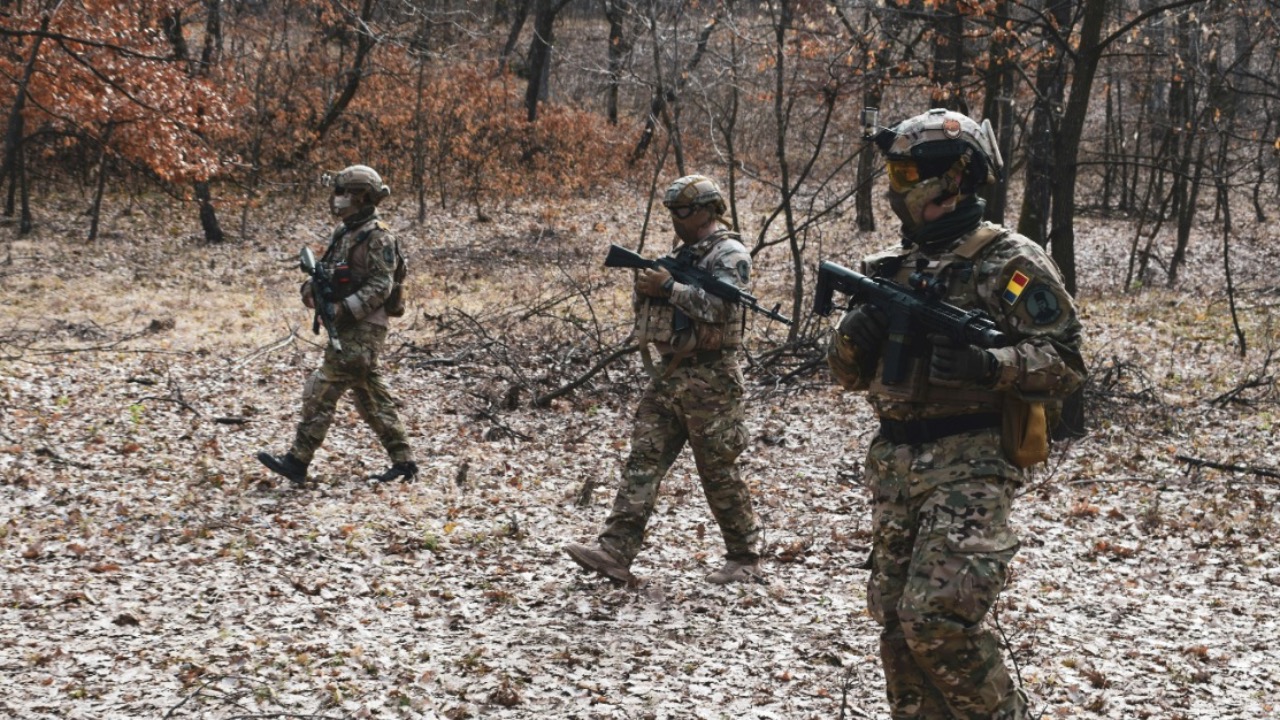
New Army rules raise enlistment age and loosen marijuana restrictions
The Army is rewriting two of the most sensitive lines in its recruiting rulebook, raising the maximum enlistment age to 42 and softening how it treats marijuana convictions. The changes are designed to widen the pool of potential soldiers at a time when recruiting shortfalls have become a persistent problem. Together they signal a military adjusting to an older, more heavily screened, and more cannabis-exposed civilian population.
What the new age limit actually does
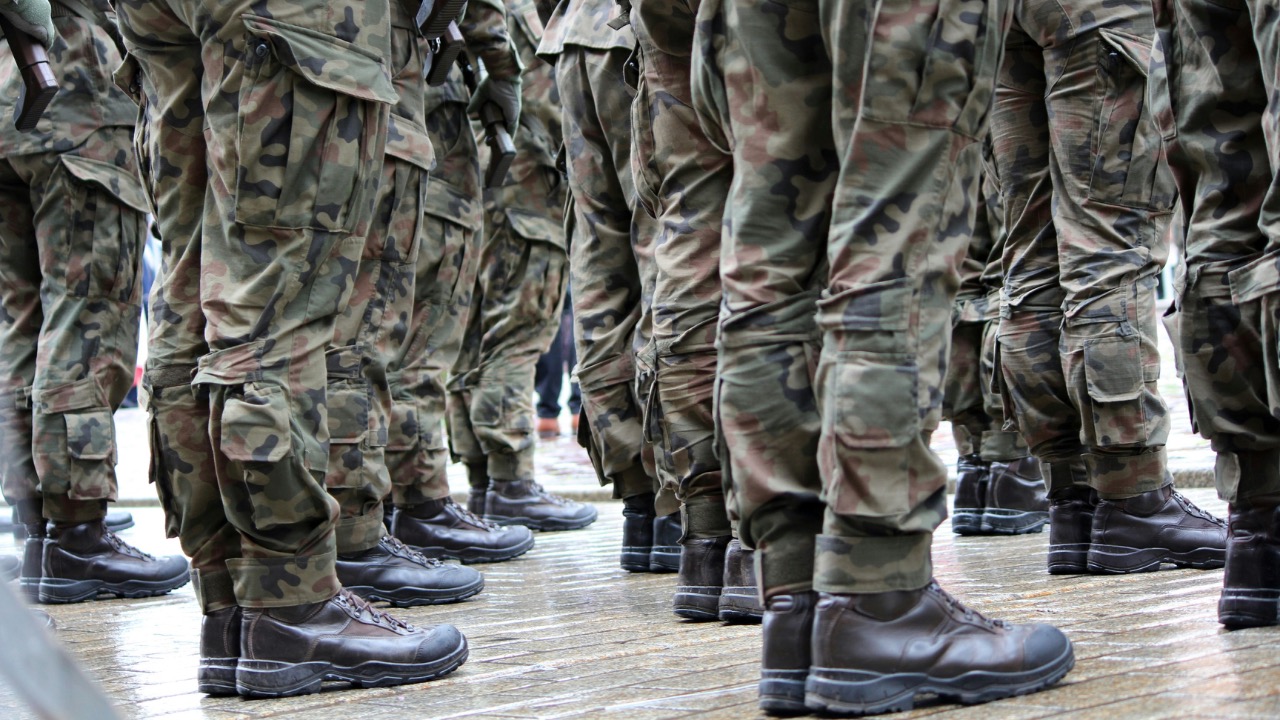
The Army has officially increased its maximum enlistment age to 42, a significant jump that aligns it with other branches such as the Air For and Space Force. According to The Brief, the change takes effect in April and applies to both active-duty soldiers and those entering the U.S. Army Reserves. The minimum age remains 17 with parental consent, which means the service is now courting Americans across a 25-year span of life.
Officials describe the policy as a way to expand the recruiting pipeline amid persistent shortfalls. Reporting on internal discussions indicates that the Army has struggled to meet end-strength goals as the number of Americans who can meet medical, fitness, and background standards has shrunk. By inviting applicants up to age 42, the Army is betting that older recruits can bring valuable civilian skills and life experience that younger enlistees may not yet have.
The decision also reflects a broader demographic shift. Analyses of recruiting trends show that the average age of new soldiers has crept upward in recent years, suggesting that interest in military service often comes after some college, time in the workforce, or family responsibilities. Raising the ceiling simply acknowledges that reality and gives late bloomers a clearer path into uniform.
How marijuana rules are changing
The age change is paired with a significant adjustment to how the Army handles cannabis in a recruit’s past. New guidance allows applicants with one prior marijuana conviction to move forward in the process, as long as they meet all other standards. Coverage of the policy describes the old approach as a hard barrier for many otherwise qualified candidates, particularly those from states where marijuana is legal under local law but remains a federal offense.
Under the revised rules, a single marijuana conviction no longer automatically disqualifies a recruit. Instead, it is treated more like a waivable issue that can be evaluated in context. The Army still screens for recent drug use and continues to bar recruits with more serious or repeated drug offenses, but the blanket exclusion for a lone marijuana case is gone. The guideline change comes as more states have legalized cannabis for medical or recreational use, turning past possession charges into a common blemish on otherwise clean records.
Officials have emphasized that this is not an endorsement of drug use, but a recalibration of standards to match civilian law and social norms. The policy keeps stricter scrutiny for harder drugs and for distribution offenses, and some marijuana-related histories would still require a waiver before enlistment. Even so, advocates say the shift could open the door for thousands of young adults who were previously told they had no chance of serving.
Recruiting pressures behind the shift
The timing of the changes is not accidental. The Army has faced sustained recruiting challenges, with some years ending tens of thousands of soldiers short of goals. Leaders have cited a tight labor market, rising college enrollment, and a shrinking share of Americans who meet physical and medical standards as key obstacles. Internal assessments describe a “war for talent” in which the military competes directly with employers such as Amazon, regional police departments, and trade unions that can offer steady pay without deployments.
In that context, raising the age limit and easing marijuana rules are two of several levers the service is pulling. Earlier efforts included expanded enlistment bonuses, new advertising campaigns, and more flexible job options. The updated standards are meant to remove what officials see as outdated barriers that do little to predict performance in uniform. A 39-year-old electrician with a decade of experience and a single marijuana conviction at age 19, for example, might now be seen as a prime candidate instead of an automatic rejection.
Reporting on the internal rationale suggests that Mar and other senior leaders view these steps as necessary to keep pace with civilian norms. As more Americans delay major life decisions into their thirties and as cannabis laws continue to loosen at the state level, the old rules were screening out a growing slice of otherwise qualified citizens. The new policies try to catch up with that reality without abandoning core standards on fitness, discipline, and reliability.
How the Army compares with other branches
The change also brings the Army into closer alignment with the rest of the military. According to NEED KNOW summaries of current rules, the Air For, Navy, Marine Corps, and Space Force already list 42 as the upper age limit for at least some enlistment categories. That parity matters in recruiting offices where applicants sometimes shop between branches based on which one will accept them.

Asher was raised in the woods and on the water, and it shows. He’s logged more hours behind a rifle and under a heavy pack than most men twice his age.