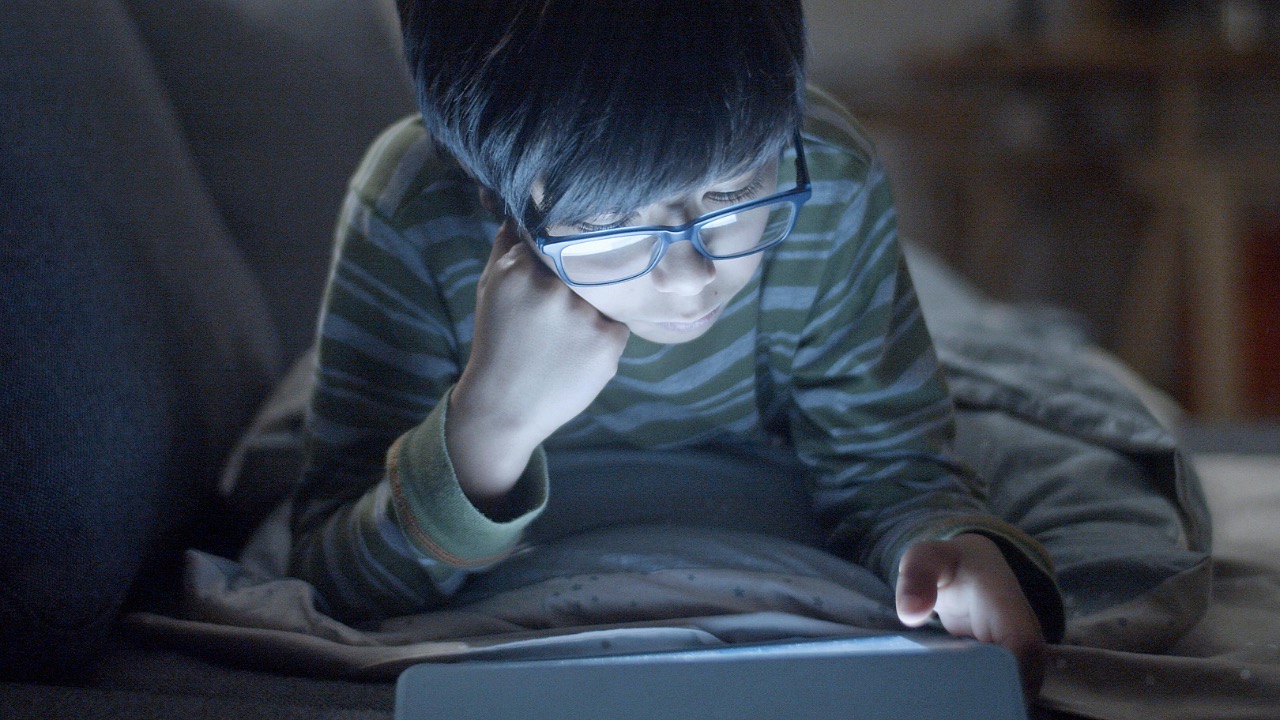
6 Simple ways to get kids outside and off screens
Getting kids off screens isn’t as complicated as it sounds, but it does take intention. You’re competing with something designed to hold their attention, so you can’t rely on vague ideas like “go play outside.” You’ve got to give them a reason to step away.
The good news is kids are wired for the outdoors. You don’t need expensive gear or big trips. What works is consistency, a little structure, and knowing how to make the outside feel like a better option than whatever’s glowing in their hands.
Give Them a Job, Not “Free Time”
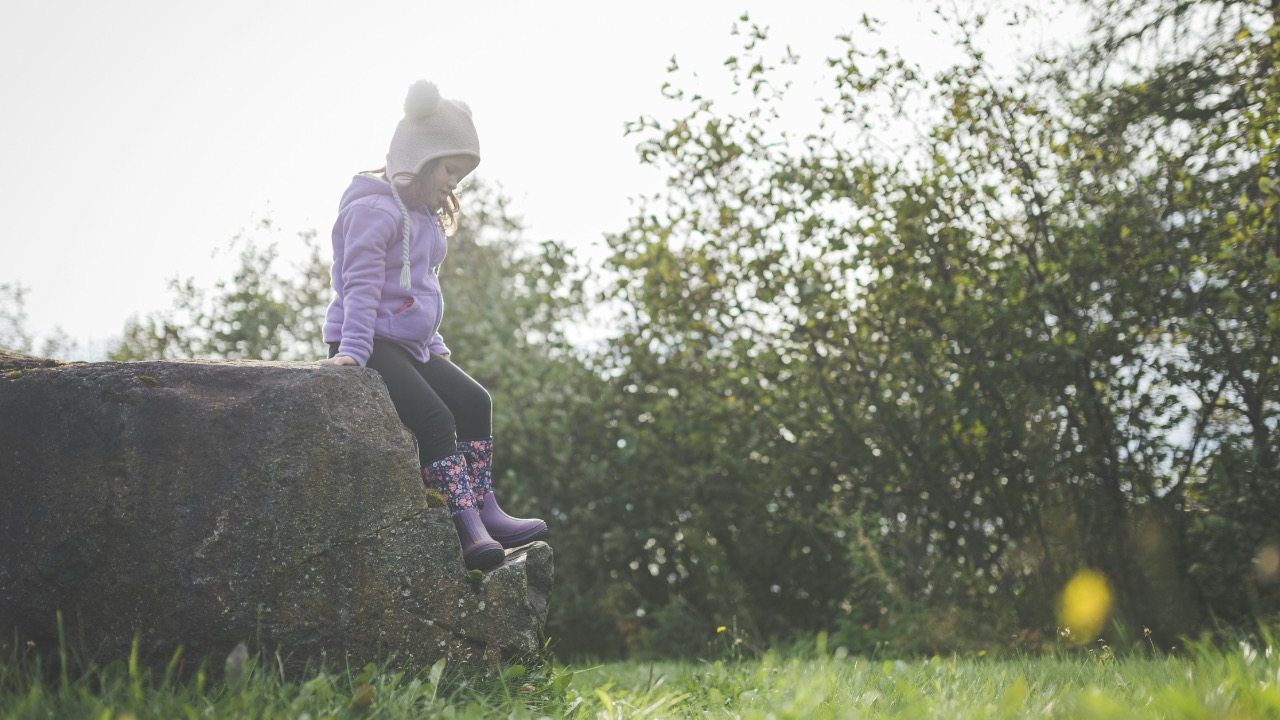
Telling a kid to “go outside” usually lands flat. Give them a purpose instead. Something as basic as hauling sticks, checking a trail camera, or helping you set up a small fire pit changes how they see the time.
Kids respond to responsibility. When they feel like they’re part of something that matters—even if it’s small—they lean in. You’re not sending them away, you’re bringing them into the work. Over time, they stop asking what they’re supposed to do and start looking for it on their own.
Keep It Close and Easy
If getting outside feels like a production, it won’t happen often. You’re better off using what’s right in front of you—your yard, a nearby patch of woods, even a ditch line behind the house.
Kids don’t need scenery. They need access. When the barrier is low, they’ll head out without thinking twice. A ten-minute window outside after dinner beats a once-a-month trip that never quite comes together. Make it easy enough that it becomes part of the rhythm, not an event you have to plan.
Let Them Get Dirty and Figure Things Out
You’re going to have to let go of the idea that they’ll stay clean or do things the “right” way. Kids learn outside by messing it up first—digging holes, building crooked forts, tracking mud through everything.
That kind of trial-and-error sticks. When they solve problems on their own, it builds confidence you won’t get from a screen. You’re there to keep it safe, not perfect. Give them room, and they’ll turn a pile of sticks into something that keeps them busy for hours.
Build Small Traditions They Can Count On
Kids respond to patterns. If you make something a regular part of the week—Saturday morning walks, evening bug hunts, or checking the same fishing spot—it starts to feel normal.
It doesn’t have to be big or impressive. What matters is that it happens again and again. Over time, they begin to expect it. That consistency builds a connection to the outdoors without you having to sell it every time. It becomes part of how your family operates, not something extra.
Bring Real Tools Into the Picture
There’s a shift that happens when kids get to use real gear. A pocketknife, a small fishing rod, or even a basic pair of binoculars changes their level of focus.
You’re trusting them with something that has purpose, and they take that seriously. It also teaches respect—how to handle tools, how to pay attention, how to slow down. You don’t need to hand them everything at once. Start small, show them how it works, and let them grow into it.
Cut Screen Time With Clear Boundaries
If screens are always an option, they’ll win most of the time. You don’t need to eliminate them, but you do need to set limits that actually hold.
Pick certain hours where screens are off the table, especially when the weather’s decent. Pair that with an expectation that they’ll be outside or doing something active. At first, you’ll hear complaints. That fades quicker than you’d think. Once the habit shifts, they stop reaching for the screen first and start looking around for something else to do.
You’re not trying to force kids into the outdoors. You’re showing them it’s worth their time. Keep it consistent, keep it real, and give them a reason to step outside. The rest tends to take care of itself.

Asher was raised in the woods and on the water, and it shows. He’s logged more hours behind a rifle and under a heavy pack than most men twice his age.