
Army raises enlistment age by seven years as concerns about recruitment grow
The Army has moved to expand its recruiting pool by raising the maximum enlistment age by seven years, lifting the cap to 42 and underscoring how serious its struggle to attract new soldiers has become. The shift arrives alongside relaxed rules for past marijuana use and other tweaks to entry standards, all aimed at filling ranks at a time of heightened global tension and a stubborn recruiting slump.
The change opens the door to thousands of older Americans who once would have been told they were too old to serve. It also tests long‑held assumptions about what military service looks like, who is physically ready for it, and how far the Army is willing to bend traditional rules to meet its manpower needs.
What exactly the Army changed
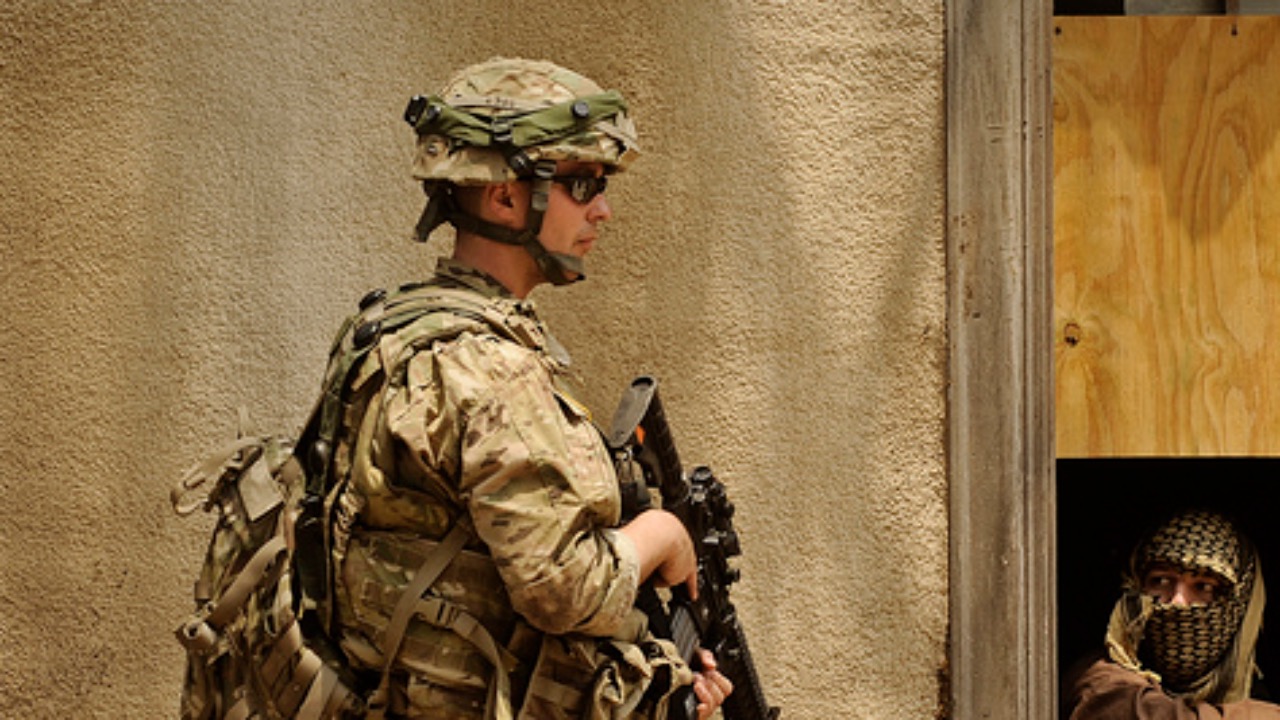
The new policy lifts the maximum age for first‑time enlistment to 42, up from a previous cap in the mid‑30s that had effectively shut out many mid‑career civilians. Officials describe the move as a way to widen the aperture on who can serve, particularly as the Army continues to miss its recruiting goals and faces competition from a tight civilian labor market. The increase to 42 is one of the most visible parts of a broader overhaul of enlistment rules.
Alongside the older age limit, the Army is loosening restrictions on certain drug histories. New guidance allows some recruits with a single marijuana conviction or past marijuana use to move forward in the process, provided they clear other screening hurdles and meet character standards. Several reports describe this as a targeted attempt to remove cannabis as an automatic disqualifier, especially in states where it is legal, while still barring more serious or repeated offenses.
The service is also adjusting how it treats medical and educational waivers. Recruiters describe more flexibility for applicants who fall slightly short of traditional benchmarks but show strong potential on aptitude tests or bring specialized civilian skills. The overall message is that the Army still expects recruits to meet baseline physical, mental, and moral standards, yet is willing to reconsider older rules that might have excluded otherwise qualified people.
Why the enlistment age jumped by seven years
The decision to raise the cap by seven full years did not come out of nowhere. Analysts at RAND Corp had already recommended that the Army consider a higher enlistment age as one tool to expand the pool of eligible Americans. In 2023, RAND Corp researchers suggested that older recruits could help offset shrinking numbers of younger volunteers, especially as obesity, mental health issues, and criminal records disqualify a growing share of 18 to 24 year olds.
Recruiting shortfalls in recent years gave those recommendations new urgency. The Army has publicly acknowledged missing its targets and has described a generational challenge in persuading young Americans to consider military service. Many potential recruits have more civilian job options, carry student debt that makes them wary of long initial enlistments, or are skeptical of long overseas deployments after the wars in Iraq and Afghanistan.
By moving the upper age limit from 35 to 42, the Army is effectively betting that older applicants can help close that gap. Social media posts that highlighted the jump from 35 to 42 framed the change as a way to harness the work experience and specialized skills of people who have already built civilian careers. Many in that age bracket may have families, mortgages, and established trades, which could make them attractive for technical roles that demand maturity and reliability.
Internally, leaders also face pressure to maintain unit strength as the Army juggles commitments in Europe, the Middle East, and the Indo‑Pacific. With more missions and no corresponding surge in volunteers, expanding eligibility becomes an appealing lever. Senior officials have described the new age limit as a way to keep the force viable without resorting to more drastic measures such as conscription.
How marijuana rules and other waivers are shifting
The age increase is paired with a notable change in how the Army treats marijuana. Several reports state that the service will now allow recruits with a single marijuana conviction to enlist, as long as they meet all other standards and do not show a pattern of drug abuse. The shift reflects how cannabis laws have changed across the United States and how an automatic disqualification for any marijuana history was closing the door on otherwise qualified applicants.
Coverage of the new policy describes the Army as relaxing some drug conviction rules and easing prior requirements for waivers. One account of the changes explains that the service will no longer require an automatic waiver for recruits with certain low‑level marijuana issues, which previously slowed down processing and discouraged applicants. Another report notes that the Army is dropping at least one marijuana waiver rule in its 2026 overhaul of enlistment limits.
At the same time, the Army is updating its formal guidance. The new version of Army Regulation 601 210 spells out who can enlist, which drug histories are compatible with service, and how recruiters should handle applicants with prior convictions. The document also explains that prospective recruits must still pass the Army’s entrance test and meet physical fitness benchmarks, even if their past marijuana use is no longer an automatic barrier.
These changes do not amount to a free‑for‑all. Recruits are still barred from using marijuana once they join, and positive drug tests can lead to discharge. The updated rules instead recognize that a single mistake in a state where cannabis is legal should not permanently block a motivated applicant, especially when the Army is struggling to fill its ranks.
The recruiting crisis behind the policy shift
The decision to extend the enlistment age to 42 is best understood as a response to years of recruiting trouble. Officials and outside analysts describe a persistent slump that has left the Army short of its end‑strength goals, even after pouring resources into marketing and bonuses. One report characterizes the situation as a “yearslong slump” in enlistment numbers, a phrase that captures both the duration and seriousness of the shortfall.
Several factors drive this crisis. Fewer young Americans are physically eligible to serve, with high rates of obesity and other health conditions keeping many from passing medical screenings. Others fail background checks or struggle with mental health issues that disqualify them under current standards. At the same time, public awareness of military life has faded as the share of Americans with direct ties to the armed forces shrinks.
The Army has tried a range of fixes before turning to older recruits. It has launched advertising campaigns that highlight career training, college benefits, and opportunities in high‑tech fields. It has offered enlistment bonuses for hard‑to‑fill specialties and experimented with pre‑basic training programs to help marginal applicants meet fitness and academic standards. Those efforts have not been enough to erase the gap between recruiting goals and actual accessions.
Raising the maximum enlistment age is a more structural response. By opening the door to a larger slice of the population, the Army hopes to ease the pressure on recruiters and reduce the need for constant short‑term incentives. The move also signals that the service is willing to rethink long‑standing assumptions about the ideal age range for new soldiers, at least in the near term.
How older recruits could change the force
Allowing enlistment through age 42 will change the demographic mix of incoming soldiers and, over time, the culture of units that receive them. Older recruits are more likely to have spouses, children, and established careers, which can shape their expectations about deployments, benefits, and promotion timelines. They may also bring valuable civilian experience in areas like cybersecurity, logistics, engineering, or healthcare.
Analysts have pointed out that older enlistees could be especially useful in technical and support roles that rely more on expertise than raw physical strength. A 40 year old network engineer or mechanic may offer skills that are difficult to find among recent high school graduates. The Army has already signaled interest in tapping such talent, with social media posts describing the new age limit as a way to bring in people with “work experience or specialized skills.”
There are also practical concerns. Basic training is physically demanding, and some critics question whether a 42 year old recruit can handle the same regimen as an 18 year old. The Army insists that all recruits will still need to meet the same fitness standards and pass the same tests, although commanders may adjust training approaches to account for a wider age range. The service has already modernized its fitness assessment in recent years to emphasize functional strength and endurance over simple push‑up and sit‑up counts.
Another issue is career length. A recruit who joins at 18 can theoretically serve for decades and still retire with full benefits while relatively young. Someone who enlists at 42 has a much shorter runway before reaching typical retirement ages. Some analysts argue that the Army will need to rethink promotion timelines, retention incentives, and retirement rules if it wants to make full use of older recruits, especially in specialties where long experience is valuable.
What RAND and other analysts have argued
The idea of recruiting older Americans has been circulating in policy circles for several years. Researchers at RAND Corp examined how raising the enlistment age could affect recruiting and readiness. Their analysis, cited in coverage of the new policy, suggested that expanding the age window would bring in more applicants without significantly harming performance. The key, according to that work, is careful screening to ensure that older recruits can meet physical and cognitive demands.
RAND’s argument aligns with a broader trend toward more flexible personnel policies across the military. Other branches have experimented with targeted age waivers for specific skills, such as cyber operations or medical specialties, where civilian expertise is particularly valuable. The Army’s new approach takes that logic and applies it across the board, rather than limiting it to niche roles.
Commentary from defense analysts has also stressed that demographic realities leave the Army little choice. As the population ages and birth rates fall, the pool of 18 to 24 year olds shrinks relative to the overall population. At the same time, older Americans are staying healthier for longer and often seek second careers. Bringing those trends together, some experts argue, makes an expanded age range a rational adaptation rather than a sign of desperation.
Still, RAND and others caution that age is only one piece of the recruiting puzzle. Without improvements in public trust, outreach, and support for military families, raising the age limit may provide only modest relief. The Army will need to track outcomes carefully, including attrition rates and performance of older recruits, to decide whether the new policy should become permanent or be adjusted again.
How the changes are being communicated to the public
The Army has rolled out the new age and marijuana policies through a mix of official statements, regulatory updates, and media outreach. Coverage of the shift has appeared across national and local outlets, often paired with human interest stories about potential recruits who now qualify. One widely shared social media post from USA TODAY described the change as a major update to who can join.
Some television segments have framed the higher age limit as part of a larger effort to expand recruitment amid conflicts in regions such as the Middle East. A report that mentioned the “Family of” a fallen soldier in an Iran strike in Kuwait tied the new policy to the human costs of ongoing missions, suggesting that the Army needs more volunteers to share the burden of deployments. Other coverage has focused more narrowly on the practical implications for would‑be recruits who were previously disqualified by age or minor drug histories.
Local news outlets have highlighted the impact on their own communities, often interviewing recruiters who say they are already fielding calls from older applicants. In some areas, veteran groups and job placement services have begun updating their guidance to reflect the new cutoff, steering mid‑career workers who are considering a change toward Army opportunities.
Social media channels have amplified these messages. Instagram posts, Facebook updates, and local station feeds have repeated the key figure of 42 and encouraged interested viewers to contact recruiters. Some of those posts also mention that starting in late April the Army will allow enlistment for applicants with a prior conviction for marijuana possession, provided they meet all other criteria.
Concerns about readiness and fairness
The policy shift has sparked debate inside and outside the military. Supporters argue that raising the enlistment age and easing some marijuana rules are pragmatic steps that reflect modern society. Critics worry about long‑term readiness and the message the changes send about standards.
One concern is whether older recruits will be able to perform at the same level as younger peers in physically demanding roles such as infantry or special operations. Skeptics fear that units could see higher injury rates or slower performance if they include many soldiers in their late 30s or early 40s. The Army counters that all recruits, regardless of age, will still have to pass the same physical tests and complete the same training.
Another debate centers on fairness. Some younger soldiers who faced strict rules on marijuana use in the past may resent seeing new recruits admitted with histories that would once have been disqualifying. Commanders will need to manage that tension, explaining that standards evolve and that the Army still expects current soldiers to obey existing drug policies.
There is also a question of whether the new rules will disproportionately attract people in financial distress or those who feel they have limited civilian options. Critics worry that the Army may lean too heavily on economic pressure to fill its ranks, especially among older applicants who face age discrimination in the civilian job market. Advocates respond that military service offers stable pay, healthcare, and retirement benefits that can be particularly valuable for mid‑career workers.
How the rule change fits into a broader recruiting strategy
The enlistment age increase is only one part of a larger effort to modernize recruiting. The Army is experimenting with new marketing campaigns, digital outreach, and partnerships with civilian employers and educational institutions. One recruiting site connected to veteran jobs highlights pathways for both prior service members and new recruits, reflecting a push to connect military service with long‑term career prospects.

Leo’s been tracking game and tuning gear since he could stand upright. He’s sharp, driven, and knows how to keep things running when conditions turn.