Wildlife encounters that escalate when people react the wrong way
Wild animals usually want nothing to do with people. Yet routine encounters keep turning into viral clips, injuries and dead animals because humans panic, crowd in for a better photo or try to “help.” The pattern is strikingly consistent: the animal behaves predictably, the human behaves badly, and the situation spirals.
From suburban coyotes to sea lions on tourist beaches, the difference between a close call and a crisis often comes down to how people react in the first few seconds. Understanding common mistakes, and what to do instead, can prevent both human harm and needless killing of wildlife.
How human reactions turn routine encounters into conflict
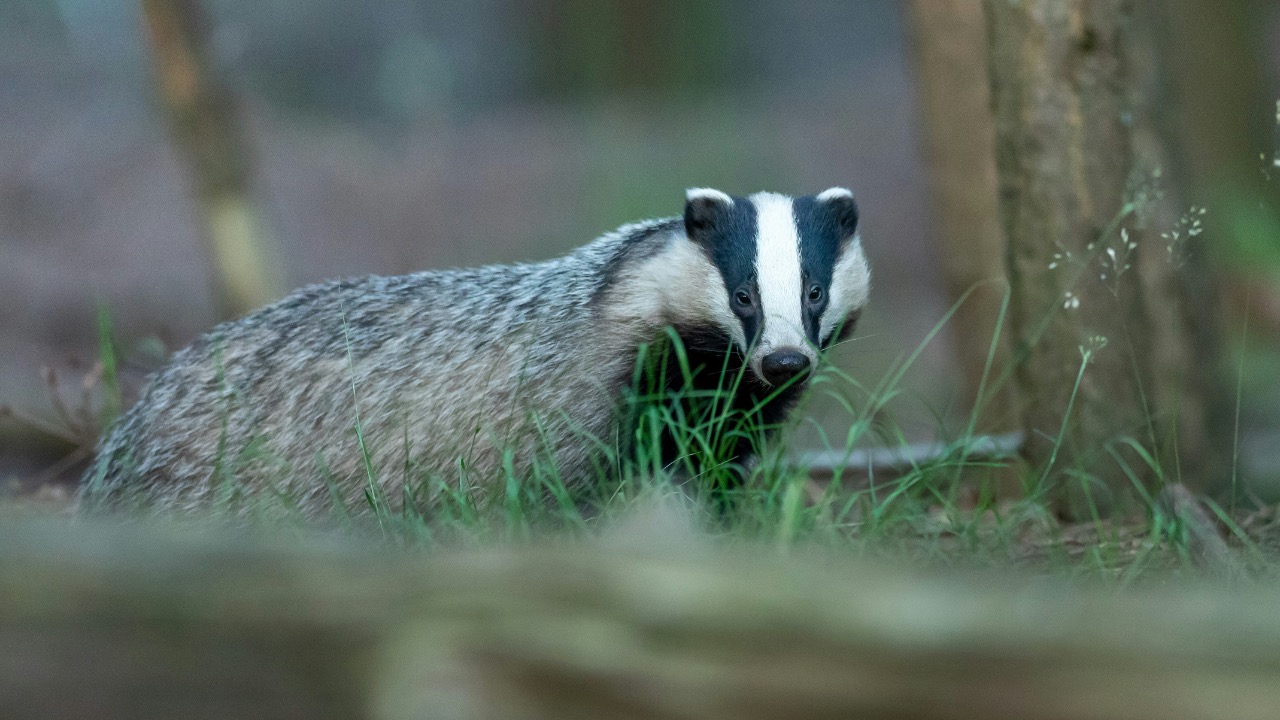
Experts who teach backcountry skills tend to start with the same basic rule: do not get too close. Guidance collected under the banner of General Rules for stresses that animals see rapid approach, loud noise or direct eye contact at close range as a threat. When people rush toward an animal for a better look or a selfie, the animal is forced to choose between fleeing and defending itself.
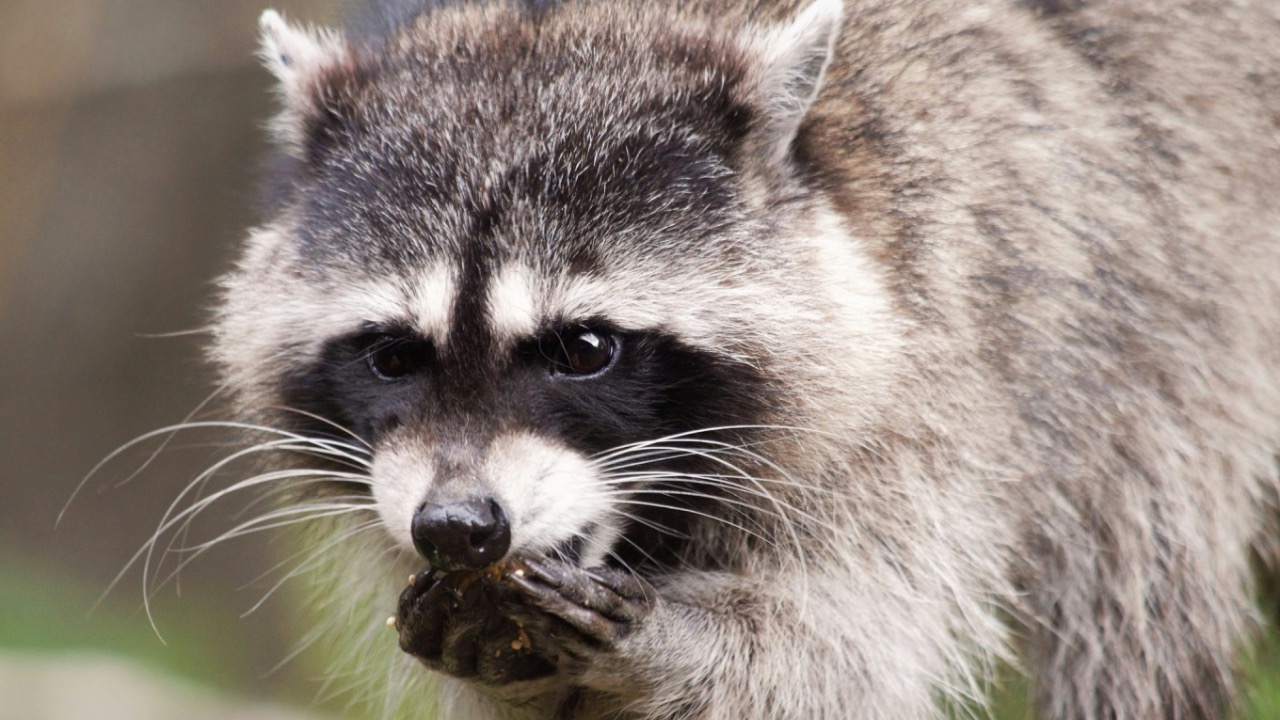
Urban and suburban residents often underestimate this risk because they see wildlife regularly. Advice aimed at everyday neighborhoods notes that even in suburbia, people are likely to encounter rodents, raccoons or feral cats, and that the same basic principles apply to larger animals that wander through town. The guidance in Stay Safe and Advice for Wildlife Encounters highlights how surprise, cornering and feeding can all push an animal into defensive mode.
When people ignore those principles, animals pay a price. Reporting on human behavior’s negative described how a man in Yellowstone picked up a bison calf that had been separated from its mother. After the calf was handled and moved, the herd rejected it and park staff euthanized the animal. The man likely thought he was rescuing a stranded baby. In reality, his intervention changed the calf’s scent and behavior enough that the herd no longer accepted it.
The pattern repeats across species and settings. People see an animal, assume it needs help or is tame enough to approach, then react with fear or anger when it behaves like a wild creature. The escalation is almost always human driven.
Predators at the edge of town: coyotes and perceived threats
Few animals illustrate this better than coyotes. These adaptable predators thrive in greenbelts, golf courses and vacant lots. A quick search for coyotes turns up a familiar mix of sightings, alarming social media posts and calls for lethal control. Yet biologists consistently describe coyotes as shy and opportunistic, not eager to attack humans.
Problems start when people either treat coyotes like pets or like monsters. Feeding coyotes, intentionally or through unsecured garbage, teaches them that yards and porches are food sources. At the other extreme, people sometimes chase or try to corner a coyote for a photo or to “teach it a lesson.” Both responses can lead to bold behavior and, eventually, bites.
Predator control professionals in the Southwest describe a different approach. Guidance on control methods emphasizes that when there is a genuine wildlife issue, the answer is to consult experts, follow regulations and use humane techniques. That stands in sharp contrast to ad hoc neighborhood campaigns that encourage residents to harass animals or set illegal traps after a frightening encounter.
The safer reaction during a coyote sighting is usually simple: keep pets close, make oneself look large, use a firm voice and give the animal space to leave. Panic, pursuit and improvised punishment are what turn a manageable situation into a long term problem.
Tourist beaches and stressed sea lions
On crowded coasts, sea lions face a different kind of pressure. Visitors see them as photogenic props, not as large, muscular animals with sharp teeth. Search results for a sea lion haul out often show people posing within a few feet of resting animals or even trying to touch them.
Marine biologists warn that this kind of crowding is not just rude, it is dangerous. A startled sea lion can lunge faster than most people can step back. Mothers may charge to protect pups. Repeated flushing of animals from haul outs also burns energy they need for migration and nursing.
Health and safety guidance for outdoor recreation, such as broad safety tips for unexpected wildlife encounters, stresses a consistent message: do not feed the animals, any animals, and do not invade their space for entertainment. On beaches, the wrong reaction is to chase a sea lion back into the water for a video or to surround a pup for a close look. The right reaction is to stay well back, keep children and dogs under control and let professional responders handle any animal that seems injured.
Big herbivores that look gentle until someone crowds them
Large plant eaters such as moose, elk and bison are often misread as gentle because they graze calmly and ignore nearby people. That calm can disappear in an instant when someone walks too close or blocks a path. One wildlife expert quoted in coverage of common mistakes around wildlife noted that some animals will simply look at a person, then are “pretty likely to charge” if the person keeps approaching. The recommended response when encountering a moose was to back away slowly instead of trying to pass close by.
Recent reporting on moose near Colorado ski resorts described guests who skied toward animals for photos and ended up in the path of a charge. The detailed account in moose attack coverage explained that people often fail to recognize pinned ears, raised hackles or a lowered head as warning signs. When they respond by yelling or waving poles at close range, the moose reacts as if it is being attacked.
State park guidance that highlights wild elk in places such as Dosewallips and moose in parks like Riversi similarly urges visitors to give animals a wide berth. Advice shared in a field guide for wildlife encounters in those parks reinforces that backing away and using zoom lenses instead of phones at arm’s length is the safer choice.
Once again, the escalation usually begins with a human decision: to cut across a meadow, to get just a bit closer or to stand ground in order to finish a video. The animal’s charge is the predictable conclusion of that chain of choices.
When “helping” or provoking leads to tragedy
Some of the most disturbing recent cases involve people who actively provoke animals, then celebrate the consequences. A widely shared clip from Kaziranga National Park showed visitors who, as one commentator put it, “provoke the animal, scream to escalate it, and then smile when it is shot.” The description in a reel from Kaziranga National Park captured the moral inversion of this kind of tourism. Guests treat an animal’s death as part of the show.
Other incidents are less malicious but end just as badly. A review of disastrous human animal highlighted patterns such as taking selfies near large predators, toying with snakes and trying to handle wild animals without training. In several cases, people who were bitten or mauled had first tried to pick up or tease the animal.
More recently, a video compilation of three fatal conflicts examined how each tragedy started with a seemingly small decision: a closer look, a risky approach, a refusal to retreat. The analysis in three wildlife encounters that turned fatal made clear that once an animal feels cornered or threatened, it will fight with far more force than most people expect.
Even well intentioned contact can have lethal outcomes for animals. The Yellowstone bison calf that was euthanized after being handled by a visitor is one example. Broader coverage of Human behavior around wildlife and related resources such as Discovered and cascadiaonepass.com has emphasized that touching or moving young animals often leads to rejection by parents or herd mates.
Defensive versus predatory: why reading behavior matters
Not all dangerous encounters involve provocation. Sometimes a person surprises a predator or stumbles into a situation where the animal sees them as prey. Outdoor safety instructors stress that the correct reaction depends on which scenario is unfolding.
One widely shared lesson on bear behavior describes a defensive bear as vocalizing, bluff charging and looking behind itself to check on a cub. In that situation, the advice in a reel from BlackFly Environmental is clear: do not yell or scream, have bear spray ready and deploy it if the bear comes within about 18 feet. Noise and aggressive gestures can escalate a defensive bear that is already on edge.
By contrast, a predatory bear is quiet, with head and ears down, and may stalk. The same instructor recommends yelling, making oneself big, throwing rocks and backing away while ready to use bear spray. Detailed hiking guidance such as bear safety for hikers echoes this distinction and urges people to carry deterrents rather than rely on improvised responses.
Misreading the situation can be deadly. A person who runs from a predatory bear may trigger a chase, while someone who screams at a defensive mother with cubs may provoke a full charge. The wrong reaction, in other words, is not just unhelpful. It can transform a manageable encounter into a life threatening attack.
Captive encounters and forced contact
Conflict does not only happen in the wild. Captive settings that invite direct contact between people and exotic animals create their own set of risks. An overview of Forced Interactions between Animals and Humans describes how captive animals are often forced into unnatural proximity for photo sessions, petting or performances. Stress, confinement and repeated handling can make them unpredictable.
In these environments, visitors may assume that an animal is safe to touch because staff allow it. They may also react casually, turning their backs, posing with children or ignoring signs of agitation. When an animal finally lashes out, it is usually the animal that is punished or killed, even though the entire setup was built on ignoring its signals.
Some of the same dynamics appear in roadside zoos and unregulated attractions that offer cub petting, swim sessions with captive sea lions or close contact with big cats. The wrong reaction from visitors is to treat these interactions as harmless fun instead of questioning why a wild animal is tolerating such contact at all.
Social media pressure and the lure of the perfect shot
Modern wildlife encounters are increasingly shaped by cameras. People who might once have quietly watched an animal from a distance now feel pressure to capture a dramatic image. A review of 10 tips to noted that there are many ways human behavior affects animals and that following expert recommendations can prevent both harm and online ridicule.
Viral videos of close calls reinforce risky behavior when they reward the most extreme stunts with attention. Clips of people sprinting toward bison, crowding bears on roadsides or posing inches from wild elk send a message that proximity is impressive rather than reckless.

Leo’s been tracking game and tuning gear since he could stand upright. He’s sharp, driven, and knows how to keep things running when conditions turn.