What emergency responders say actually happens in real home invasions
Real home invasions do not look like movie scenes. They unfold in minutes, often start with a simple knock at the door, and leave victims making life-or-death decisions while their brains struggle to keep up. Emergency responders describe a pattern that is less cinematic and more chaotic, shaped by statistics, human physiology, and the way offenders actually operate.
Understanding what usually happens when someone forces their way into a home, and how police and medics respond, can help families plan in a way that matches reality instead of myth.
How often intruders actually strike
Burglary and home invasion are statistically common enough that responders treat them as routine emergencies, not rare anomalies. One analysis of property crime found that a break-in occurs every 26 seconds in the United States, and that Homes without a to be burglarized. That same research reports that 83% of would-be burglars check for an alarm system before attempting a break-in, which means visible deterrents change offender behavior before a call to 911 is ever made.
Other data shows how frequently homes are targeted. One set of burglary statistics reports that a home burglary happens once every 25.7 seconds, and that 34% of burglars use the front door while more than 50% of burglaries are conducted by someone known to the victim. Those figures, drawn from a survey of convicted, help explain why emergency responders never assume the threat is a masked stranger creeping in a window.
Burglary versus home invasion
For police and victim advocates, the distinction between burglary and home invasion matters. Burglary usually refers to unlawful entry to steal property, often when no one is home. Home invasion robbery, by contrast, involves confronting occupants inside the residence, often to force them to reveal valuables or financial information.
A federal guide for local agencies notes that Most home invasions. The same document describes how offenders view certain residents as vulnerable targets. Because home robbers confront victims for longer periods and want to avoid injury, they are likely to prefer occupants who will not resist an attack. That dynamic shapes how long victims remain in danger before responders can intervene.
How intruders actually get inside
Responders often arrive to find that the point of entry was not a shattered back window but an everyday access point. One security analysis found that Front door entries of break-ins, sometimes because the door was left unlocked and the intruder simply twisted the knob and walked in.
Deception is another recurring theme. Research on home invasion robbery notes that Offenders use deception into allowing them entry, for example by posing as utility workers or police officers. Security experts have documented similar tactics, with Criminals often posing, utility employees, or people in distress. Once inside, they may use threats or violence to control occupants.
That pattern has prompted specific warnings about doorstep encounters. One widely shared safety briefing urges residents to treat anyone rushing the door in a uniform or safety vest with caution. It advises, “Do not open the door. Communicate through your camera or intercom, Ask for a name, company, and ID, and Verify by calling the utility company.” The repeated emphasis is on protecting the threshold rather than trying to politely sort things out face-to-face.
What happens in the first few minutes
For victims, the first moments of a home invasion are dominated by shock and confusion. Training materials that draw on an audit of real incidents explain that under acute stress, you may have trouble thinking clearly, your visual focus may narrow, and you may suffer auditory exclusion, which is the inability to register what you are hearing. One such guide notes that may have trouble, and that the stress of a dangerous encounter may even affect judgment.
This physiology explains why some victims freeze or fail to follow their own safety plans. It also explains why officers arriving at a chaotic scene are cautious about how occupants will react to commands.
Time pressure is intense. One security analysis reports that the average home invasion lasts between 8 to 10 minutes, with some as quick as 90 seconds. In that same summary, Burglars have to so they are not caught and cannot be picky about what they snatch. Other accounts describe most home invasions lasting about eight to twelve minutes while the invaders ransack the residence for valuables.
What 911 operators and officers actually do
Emergency responders describe a consistent sequence once a home invasion call hits the system. Call takers focus on location, whether the intruder is still inside, and whether anyone is injured. Safety guides stress that every second counts during a home invasion and that residents should spend that time calling the police and determining an escape route rather than trying to gather valuables. That advice is reflected in home invasion survival that prioritizes rapid contact with 911.
For households where speaking aloud is dangerous, federal consumer information explains that some jurisdictions allow text-to-911, though coverage is not universal. The federal guidance on stresses that voice calls remain the fastest option where available.
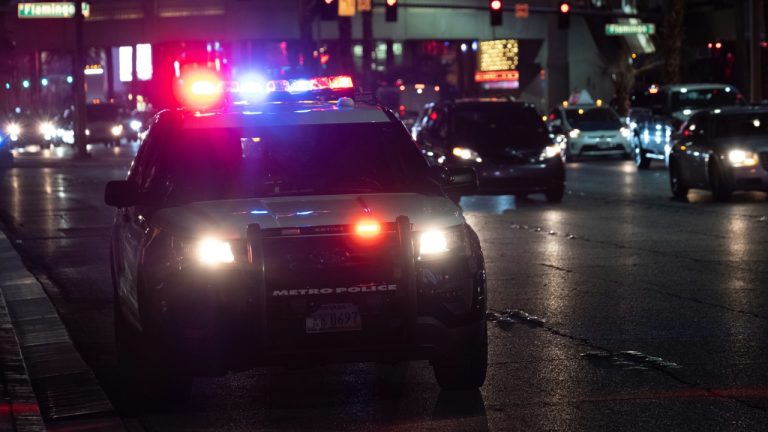
On the street, officers race to the scene but manage how visible that response is. One veteran responder explained that they would have their sirens on until they got close to your home, and then they would shut them off. The last thing they want to do is spook the invader into harming someone in the house. That description, shared in response to a question about siren use, matches how many departments balance speed with stealth.
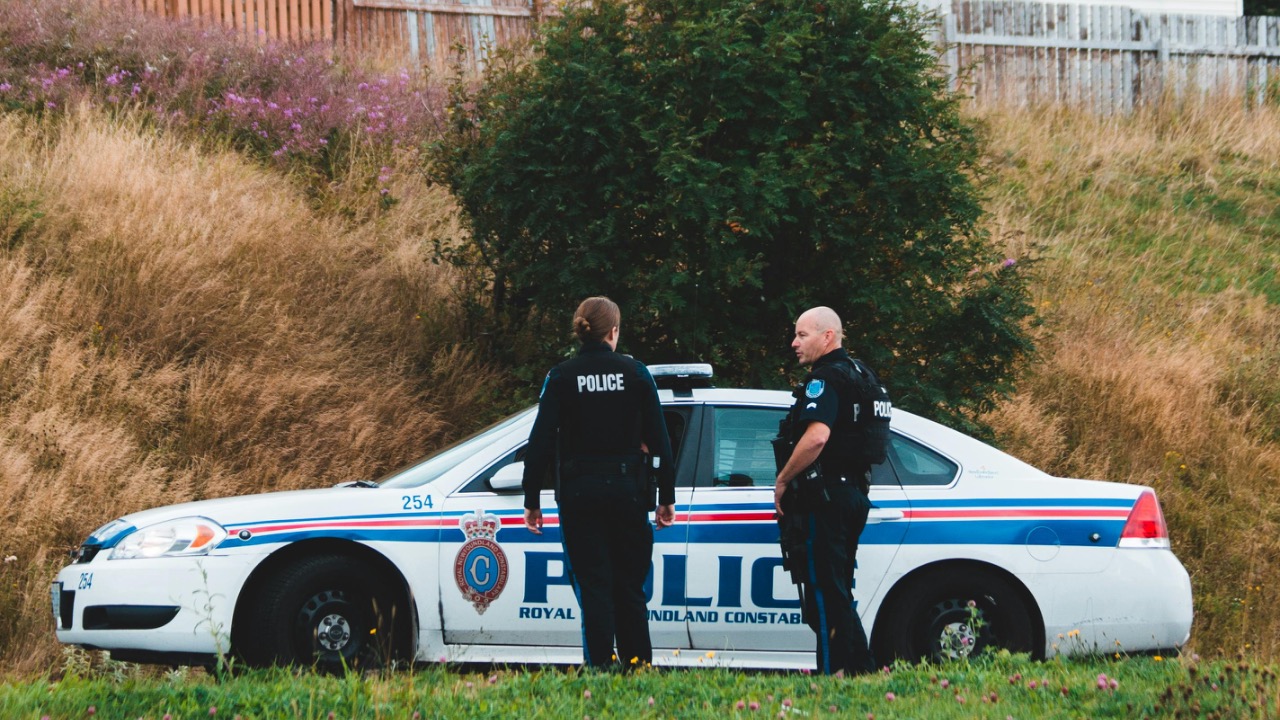
Once officers reach the address, they often approach on foot, use cover, and listen for sounds inside. A police training video on home invasions advises that “if we can get out we want to get out,” encouraging residents to escape if a safe path exists rather than barricading unnecessarily. In that clip, recorded advice stresses that if somebody breaks in like that and a door to the outside is accessible, victims should exit as soon as possible.
What officers see when they enter
For responders, the most dangerous moment is often entering a house where both an armed homeowner and an intruder might be present. Tactical commentary aimed at armed citizens explains that stress, tunnel vision, and auditory exclusion can prevent residents from hearing officers announce themselves. One analysis notes that the combination of these factors will cause a homeowner to fail to hear an officer entering the residence or commands to drop the gun. That warning is part of a broader effort to teach residents how responding officer sees.
Officers are trained to treat any person with a weapon as a potential threat until they can positively identify them. They may shout commands, use lights, and physically separate occupants. From their perspective, the priority is to stop violence first and sort out who is who second, which can feel abrupt or even hostile to terrified residents.
Why some homes are targeted and others are not
Responders also see clear patterns in which homes attract intruders. One analysis of burglary victims notes that Every surveyed convicted confirmed that they looked for easy targets, including homes with poor lighting, no visible cameras, and predictable routines. Another research summary reports that homes without a security system are 300% more likely to be broken into and burglarized, reinforcing the deterrent effect of alarms and cameras.
Guides for homeowners emphasize layered security: strong doors and locks, visible cameras, and habits that avoid signaling when a home is empty. One set of tips from security specialists explains that home intruders are also known to pose as delivery men, maintenance workers, and even authority figures such as a police officer to gain the trust of their victims. That pattern, documented in Home invasion statistics, is one reason responders urge residents to verify identities before opening the door.

Asher was raised in the woods and on the water, and it shows. He’s logged more hours behind a rifle and under a heavy pack than most men twice his age.