The gear failure that ruins more hunts than people admit
Most hunters blame blown stalks on wind shifts, noisy partners, or bad luck. Season after season, though, the same quiet culprit ruins more tags than anyone wants to admit: gear that fails not because it is cheap, but because it was chosen, packed, and cared for the wrong way. From cracked arrows to soaked insulation, the pattern is less about faulty products and more about preventable mistakes.
The difference between a story about “the one that got away” and meat in the freezer often comes down to small, unglamorous details. How a hunter stores paracord, washes a jacket, or walks into a stand can matter more than any new gadget. The failure that ends the hunt usually starts days or months before the season, in a garage or laundry room, long before the first track shows in the dust.
The real weak link is not what hunters think
Ask a camp full of hunters about their biggest fear and many will mention a broken rifle, a dead rangefinder, or a shattered sight. Actual field experience tells a different story. The most common problems are not catastrophic breakages but small, compounding errors in planning and maintenance that only reveal themselves when a shot opportunity appears.
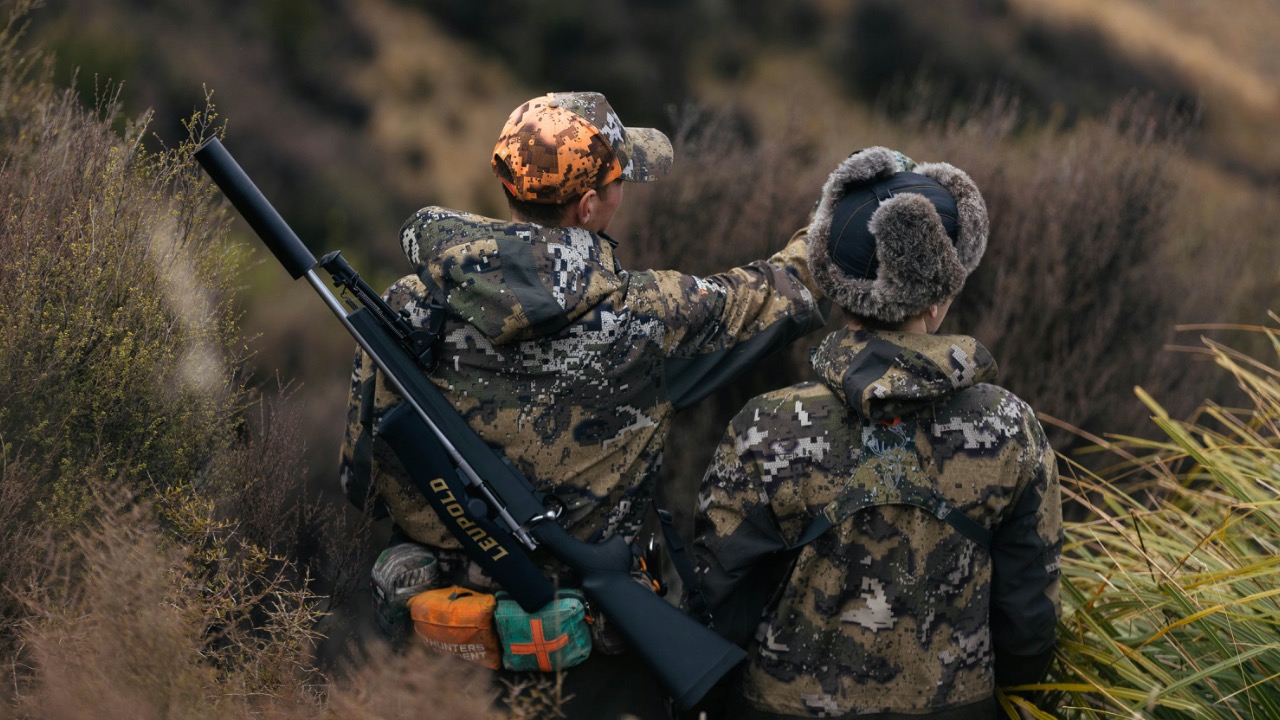
One pattern shows up repeatedly in western country. Hunters obsess over the latest ultralight fabrics and carbon frames, then sabotage themselves before they leave the trailhead by either stuffing their pack with nonessential items or stripping it down too far. Detailed backcountry advice warns that simple overpacking or underpacking is the most common mistake in rugged terrain. Too much gear slows climbs, creates noise, and drains energy. Too little gear leaves a hunter cold, wet, or unable to stay on the mountain when animals finally move.
The same pattern appears with weapons, optics, and clothing. The rifle or bow is often fine. The problem is the way it was packed, protected, or tested. Many of the failures that “come out of nowhere” are actually baked in long before the opening bell.
Arrows, bullets, and the quiet disaster in the quiver
Nowhere is hidden failure more dangerous than in the projectiles themselves. A cracked arrow or compromised bullet is easy to miss at the truck and unforgiving at full draw. Modern arrow manufacturers like Gold Tip literally print reminders such as “Flex It Fi” on shafts to push archers to bend and inspect them, yet many hunters still skip that step and carry damaged arrows into the field.
Bowhunting experts list cracked arrows among the fastest ways to wreck a hunt. A shaft weakened by a glancing hit on a target, a rock, or a metal ladder can look fine but shatter on release, sending a broadhead wild or injuring the shooter. Loose inserts, bent broadhead ferrules, or fletchings that began to peel in the case pose similar risks. None of these issues are exciting to check, but each one can turn a perfect shot into a wounded animal or a complete miss.
Rifle hunters face their own version of this problem. Ammunition that has been rattling in a pocket for years, soaked and dried in a pack, or mixed from different lots can produce inconsistent impact. A bullet that was once carefully chosen for expansion on elk might be replaced in the magazine by a leftover varmint round. In both disciplines, the gear is only as reliable as the last time someone inspected it with a critical eye.
Sights, optics, and the myth of “set it and forget it”
Optics tell a similar story. Many hunters treat scopes and red dots as permanent fixtures. They sight in once, then assume those settings will hold forever. In reality, travel, recoil, and rough handling can shift zero or even damage internal components. Some manufacturers and shooting instructors have documented how a single hard knock in a truck or on a rock can cause a scope to fail at the worst possible moment, turning a chip shot into a mystery miss.
Common shooting guides describe a long list of gear failures and, from loose mounting screws to fogged lenses. Each one is avoidable with basic habits. Checking torque on rings, confirming zero after travel, and keeping lens covers on until the moment of truth are not glamorous rituals, but they are the difference between a confident squeeze and a second-guessing holdover.
Electronics add another layer. Rangefinders and illuminated reticles rely on batteries that often sit unused for months. Hunters who carry a single battery and never test their devices in cold conditions are betting their season on a coin cell that cost a few dollars. When that battery dies as a bull steps out, it feels like bad luck. In reality, it is a planning failure.
Entry routes and the invisible gear failure: human scent
Some of the most damaging “gear problems” are not mechanical at all. They involve how a hunter moves through the landscape and how that movement interacts with wind and scent. Deer hunters are increasingly candid about how often a sloppy approach ruins a set before anyone climbs into the stand.
One widely shared discussion on whitetail strategy bluntly states that entry route can before it starts. Hunters spend hours debating stand placement and ignore the path they take to reach it. Crossing open fields in daylight, walking upwind of bedding cover, or brushing against saplings that funnel scent into a draw can educate deer long before shooting light. The stand, saddle, and bow might be flawless. The failure lies in the unseen trail of odor clinging to branches and grass.
This is where clothing and gear systems intersect with woodsmanship. Scent control sprays and “odor-proof” fabrics cannot rescue a route that sends human scent directly into a bedding area. The best plan treats boots, packs, and outer layers as tools that must work with wind and terrain, not against them. If the entry path is wrong, the rest of the gear simply helps a hunter sit longer in a place where no mature animal will appear.
Clothing care: how laundry ruins expensive gear
Modern hunting clothing is packed with technology: waterproof membranes, breathable laminates, and synthetic insulation that keeps working when damp. Yet many hunters unknowingly destroy those advantages in their own washing machines. The most damaging culprit is not mud or blood. It is Fabric softeners.
Detailed gear care advice singles out Fabric softeners as the number one enemy of advanced hunting textiles. These products coat fibers with a slick film that clogs pores in breathable membranes and can strip or block durable water repellent finishes. The result is gear that wets out in a light drizzle and traps sweat during a climb. Hunters often blame the brand or assume the jacket “wore out” in a single season, when the real issue started in the laundry room.
Dryers create their own problems. High heat can shrink membranes, melt seam tape, or distort synthetic fills. Outer layers that were designed to shed water and manage moisture instead become heavy, clammy, and noisy. Once that damage is done, no amount of reproofing spray can fully restore performance. The quiet failure that ends the hunt began with a simple load of wash on the wrong setting.
Packing mistakes that sabotage endurance and safety
Packing is often treated as a last-minute chore, yet it shapes every decision on the mountain. Detailed backcountry guidance warns that hunters who pack by fear or impulse usually pay for it in sweat and missed opportunities. The twin problems are obvious: hauling too much and carrying too little.
On one side, some western hunters pile in backup gear for every scenario. They add extra layers, redundant stoves, and heavy optics until a pack that should weigh 35 pounds tips past 60. Advice aimed at western elk and mule deer specialists points out that this kind of Backcountry overpacking drains energy and slows travel. Fatigue leads to sloppy stalks, noisy footfalls, and a reluctance to climb one more ridge at last light.
On the other side, a growing ultralight trend pushes some hunters to strip their kits to the bare minimum. When a storm rolls in or a stalk takes longer than expected, they find themselves without dry gloves, a headlamp, or enough water. That kind of underpacking can force an early retreat from the field just as animals become active. The gear itself did not fail. The packing list did.
Smart systems focus on essentials: weather-appropriate layers, reliable navigation, a basic first aid kit, and enough food and water to stay sharp. Everything else must earn its place by solving a real problem, not by answering a vague fear of the unknown.
Preparation, practice, and the illusion of “good enough”
Many of the worst gear failures trace back to a single pattern: hunters head out believing their equipment is “good enough” without ever testing that belief. Detailed checklists on common hunting mistakes describe how Poor preparationstarts with Heading into the field with untested gear. That might mean a new release aid that has never been shot at full hunting draw, boots that have not been broken in, or a headlamp with factory batteries still in the blister pack.
Practice sessions can create their own blind spots. Many archers shoot in T-shirts on flat ground, then struggle to replicate those groups in bulky jackets, gloves, and steep angles. Rifle shooters may sight in from a bench with sandbags, only to miss from a kneeling or offhand position in the field. In both cases, the hunter believes the equipment is dialed. The reality is that the full system, including clothing and body position, has never been rehearsed.
How to stop the most common failures before they start
- Inspect weapons and projectiles before every hunt. Flex arrows, spin broadheads, and check rifle ammunition for corrosion or damage. Replace anything questionable without hesitation.
- Confirm optics and electronics. Verify scope zero after travel, check that mounts are tight, and test rangefinders and red dots in low light and cold temperatures with fresh batteries.
- Plan entry and exit routes with wind and terrain in mind. Use maps and on-the-ground scouting to avoid walking where scent will blow into bedding or feeding areas, recognizing that a bad approach can ruin a spot before anyone sits down.
- Wash and store clothing correctly. Skip Fabric softeners, use technical detergents or mild soap, and follow manufacturer drying instructions so membranes and water repellents keep working.
- Build a disciplined packing list. Separate true essentials from “nice to have” items, and adjust loads based on distance from the truck, weather, and terrain.
- Practice like it is opening day. Shoot in full hunting clothing, from realistic positions, and with the exact gear configuration that will be carried into the field.
- Organize and store small items with intention. Use methods such as the figure 8 wrap for cordage, labeled pouches for batteries and tags, and cool, dry storage for all soft goods.

Leo’s been tracking game and tuning gear since he could stand upright. He’s sharp, driven, and knows how to keep things running when conditions turn.