The gear failures that happen most often in the backcountry
You don’t really learn your gear on a clean day close to the truck. You learn it when the weather turns, when you’re miles in, and when something gives out at the worst possible time. That’s when small weaknesses turn into real problems.
Most failures aren’t dramatic—they’re predictable. Worn parts, poor prep, or pushing gear past what it was built for. The backcountry has a way of exposing all of it. If you’ve spent enough time out there, you’ve either dealt with these issues or watched someone else deal with them the hard way.
Here are the gear failures that show up again and again.
Boots That Fall Apart Mid-Trip
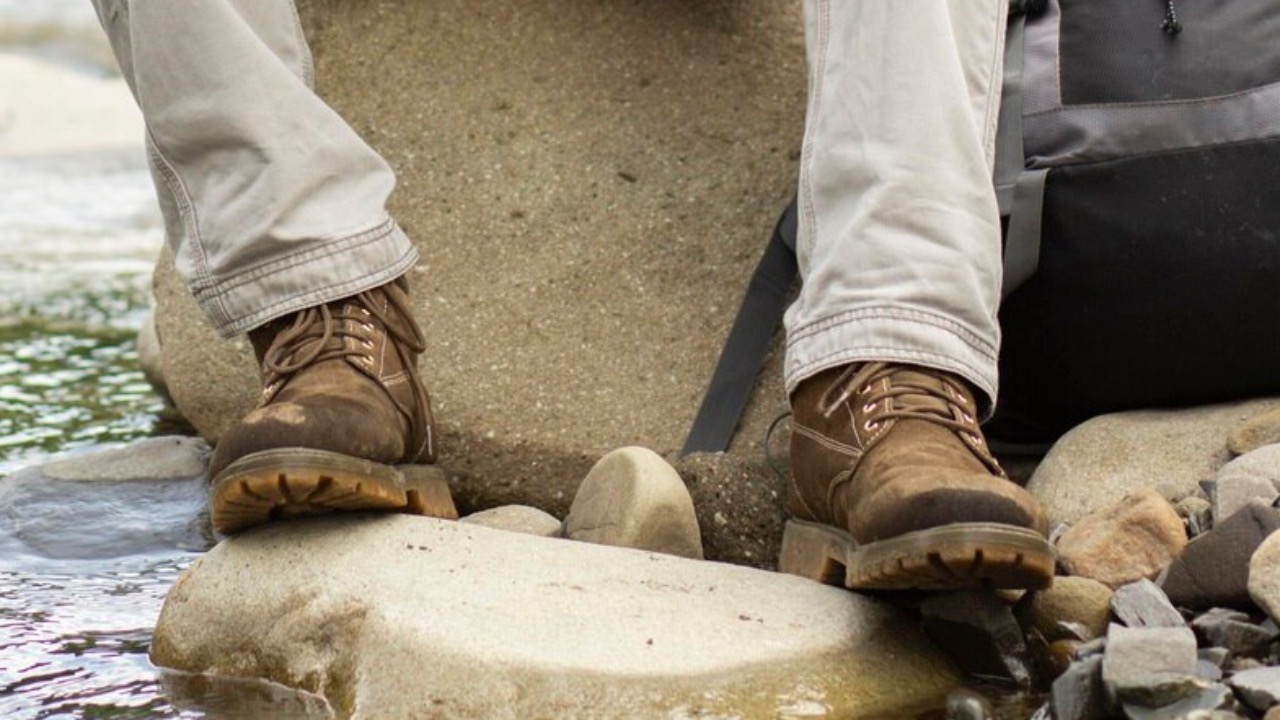
You trust your boots more than anything else, and when they fail, everything slows down. Soles peel, stitching blows out, or the midsole packs down to nothing. It usually happens after long miles in rough country or wet conditions that break down adhesives.
A lot of it comes back to age and storage. Even boots that look fine can fail if they’ve been sitting too long. Glue dries out. Materials weaken. Once that starts, there’s not much you can do in the field beyond taping them together and limping through. Breaking in boots is one thing—breaking them down is another.
Packs That Tear Under Load
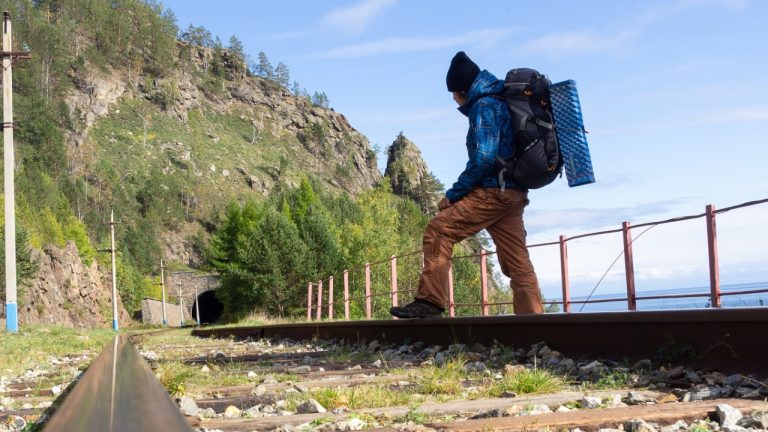
A pack doesn’t get tested until you’ve got real weight in it. Meat, camp, water—it adds up fast. That’s when weak stitching, worn straps, or cheap buckles show themselves.
You’ll usually see failures at stress points: shoulder straps, hip belts, and load lifter attachments. Once a seam goes, it spreads. Carrying a compromised pack isn’t only uncomfortable, it throws off your balance and burns energy. Regular checks matter here. If something looks worn before a trip, it’s not going to improve once you’re deep in.
Water Filters That Clog or Quit
Clean water is non-negotiable, and filters don’t always cooperate. Silty sources clog them fast, especially in dry country or after storms. Flow slows down until you’re squeezing for every drop.
Freezing is another common killer. If a filter freezes after being used, internal damage can make it unsafe even if it still pushes water. That’s the part people miss. You might not know it’s compromised. Keeping it from freezing overnight and backflushing when you can goes a long way, but once it’s done, you’re down to backups.
Headlamps That Die at the Wrong Time
Light failures don’t wait for a convenient moment. It’s usually at last light, on a blood trail, or halfway through a pack-out. Batteries drain faster in cold weather, and older units can flicker or shut off without warning.
Contacts corrode, switches wear out, and cheap housings crack. You don’t think about it until you’re standing in the dark hitting the button with nothing happening. A spare set of batteries helps, but it won’t fix a failed unit. Redundancy matters more than brightness out there.
Rain Gear That Stops Keeping You Dry
Rain gear doesn’t fail all at once—it fades. The outer fabric wets out, seams start leaking, and before long you’re soaked even though nothing looks torn.
Hard use speeds it up. Brush, rock, and pack straps wear down coatings over time. Once that barrier goes, you lose heat fast, especially with wind added in. Re-treating gear helps, but it has limits. If it’s been a few seasons of hard use, you can’t expect it to perform like it did out of the box.
Stoves That Won’t Light or Stay Lit
Hot food and water matter more when conditions turn. When a stove won’t light, you feel it right away. Cold temps reduce fuel pressure, especially with canister stoves. Wind makes it worse.
Igniters fail often, and relying on them alone is a mistake. Fuel connections can loosen or clog, and cheap valves don’t hold up over time. You can work around some of it with a lighter and better setup, but if the stove itself goes down, you’re eating cold or not at all.
Trekking Poles That Collapse or Snap
Poles take a beating, especially in steep country or heavy loads. Locking mechanisms wear out, and once they slip, they’re unreliable. Aluminum can bend, and carbon can snap under sudden stress.
A failed pole might not sound like a big deal until you’re side-hilling with weight on your back. Then it matters. It affects your balance, your pace, and how much strain you put on your knees. Keeping them clean and checking locks helps, but failures still happen with hard use.
Zippers That Blow Out on Critical Gear
Zippers are one of the weakest points on any piece of gear. Tents, packs, sleeping bags—they all rely on them. Dirt, grit, and repeated stress wear them down.
Once teeth stop lining up or the slider goes, you’re fighting it every time you open or close it. On a tent, that can mean exposure to weather. On a pack, it can mean losing gear. Field fixes exist, but they’re temporary at best. When a zipper starts to go, it rarely fixes itself.
Sleeping Pads That Leak Overnight
A sleeping pad doesn’t need a big hole to ruin your night. A slow leak is enough. You go to sleep comfortable and wake up on the ground.
Sharp rocks, thorns, or even wear along seams can cause it. Finding the leak in the field isn’t always easy, especially in the dark or cold. Patch kits help if you can locate it. If not, you’re dealing with poor sleep and a harder next day. It’s one of those failures that doesn’t seem critical until it compounds over a few nights.
Optics That Fog or Lose Zero
Optics don’t fail often, but when they do, it’s a problem. Internal fogging can happen if seals are compromised. Temperature swings make it worse.
For rifle scopes, a hard knock can shift zero. You might not notice until it counts. Binoculars can get stiff or misaligned after impacts. Keeping gear protected helps, but nothing is immune to rough travel. It’s one of those areas where you don’t get many second chances if something’s off.
Most of this comes down to one thing—you’re asking your gear to perform in places that don’t forgive mistakes. If something is worn, marginal, or untested, the backcountry will find it. The more time you spend out there, the more you learn to spot weak points before they turn into long days and longer walks out.

Asher was raised in the woods and on the water, and it shows. He’s logged more hours behind a rifle and under a heavy pack than most men twice his age.