U.S.–Iran tensions escalate after conflicting claims of military strikes
You have probably noticed the steady stream of reports coming out of the Middle East these past few weeks. What started as targeted airstrikes in late February has now settled into a grinding pattern of strikes, counterstrikes, and sharply different versions of what is actually happening on the ground. The United States and Israel launched large-scale operations against Iranian military targets, nuclear sites, and senior officials on February 28. Iran hit back with missiles and drones aimed at American bases, Gulf infrastructure, and Israeli positions. Right now the airwaves and official statements are filled with competing accounts of downed aircraft, successful rescues, and damage assessments. That clash of narratives is keeping diplomats and military planners on edge, because each side insists its version is the accurate one while accusing the other of exaggeration or outright lies.
The human and economic stakes keep rising with every new exchange. Civilian areas have taken hits, supply chains are strained, and the possibility of wider regional involvement looms. Here is a clear-eyed look at where things stand.
How the current round of fighting began
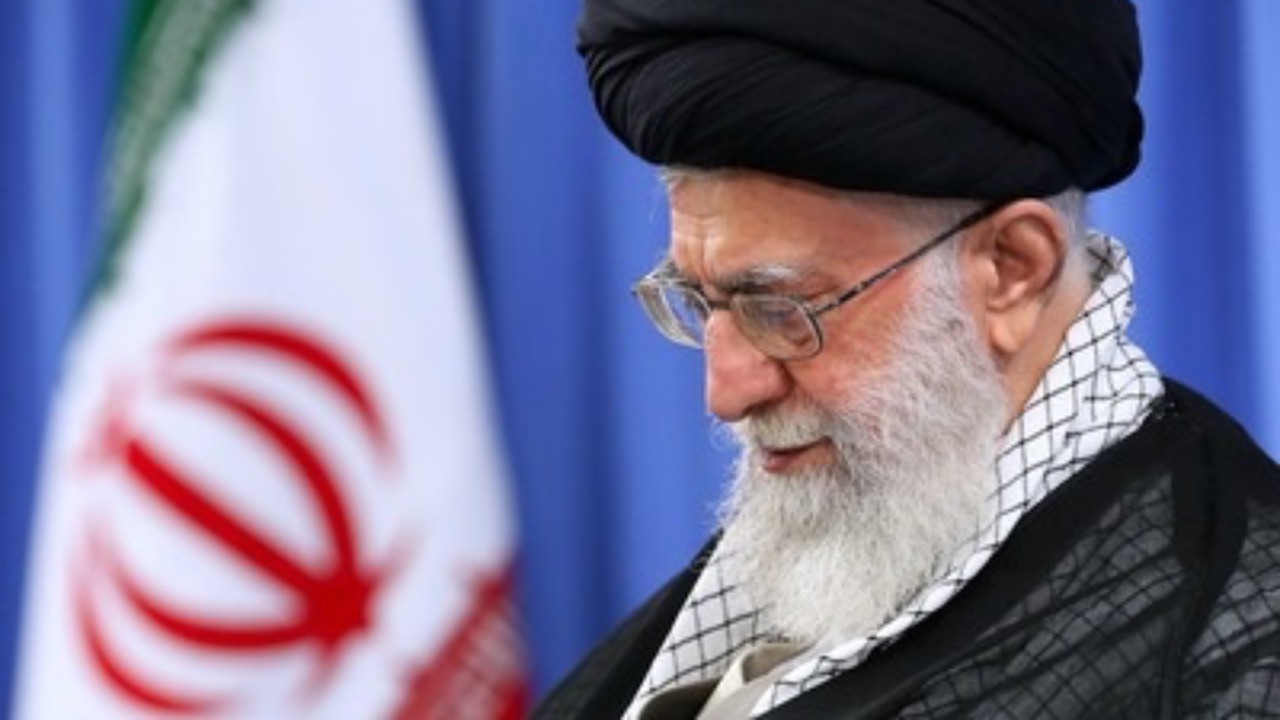
Back at the end of February, American and Israeli aircraft carried out hundreds of strikes in a single day across Iranian territory. The targets included air defenses, missile production facilities, and sites linked to the country’s leadership. Supreme Leader Ali Khamenei was killed in the opening hours of the operation. Iranian officials described the attacks as unprovoked aggression. Washington and Jerusalem framed them as necessary steps to degrade Iran’s ability to threaten the region and to prevent further nuclear advances. Within hours Iran launched its first wave of retaliatory missiles and drones toward U.S. facilities in the Gulf and Israeli territory. That rapid back-and-forth set the tone for everything that has followed. Neither side has shown much interest in stepping back, and the pace of operations has only picked up in the weeks since. You can see the pattern repeating in smaller but still dangerous incidents almost daily.
Leadership transition inside Iran
The death of Supreme Leader Ali Khamenei created an immediate power vacuum that Iranian authorities moved quickly to fill. Within days the Assembly of Experts named his son Mojtaba Khamenei as the new supreme leader. The Islamic Revolutionary Guard Corps and other top political figures publicly pledged their support. This shift happened under the pressure of active combat, which is not how Iranian succession usually unfolds. The new leadership has taken a hard line in public statements, promising continued resistance and denying that the strikes have crippled the country’s defenses. At the same time, ordinary Iranians face disrupted daily life and reports of significant displacement. The transition adds another layer of uncertainty because the new supreme leader must consolidate authority while the country is still under attack. Outside observers are watching closely to see whether this change alters Iran’s decision-making in any meaningful way.
Iran’s account of its counterstrikes
Iranian military spokesmen have released repeated claims about successful hits on American and Israeli assets. They say their forces have downed multiple U.S. aircraft, including fighters, transport planes, and helicopters during rescue operations. Videos circulated by Iranian state media show what they describe as wreckage from those strikes. Officials also report strikes on Gulf infrastructure and claim to have forced restrictions on shipping through the Strait of Hormuz. According to Tehran, these actions have inflicted serious losses on the other side while protecting Iranian territory. Independent verification remains difficult because access to the sites is limited and both governments control much of the information flow. Still, the volume and consistency of Iranian statements suggest they see these claims as central to maintaining domestic support and projecting strength abroad.
Washington and Jerusalem push back on the numbers
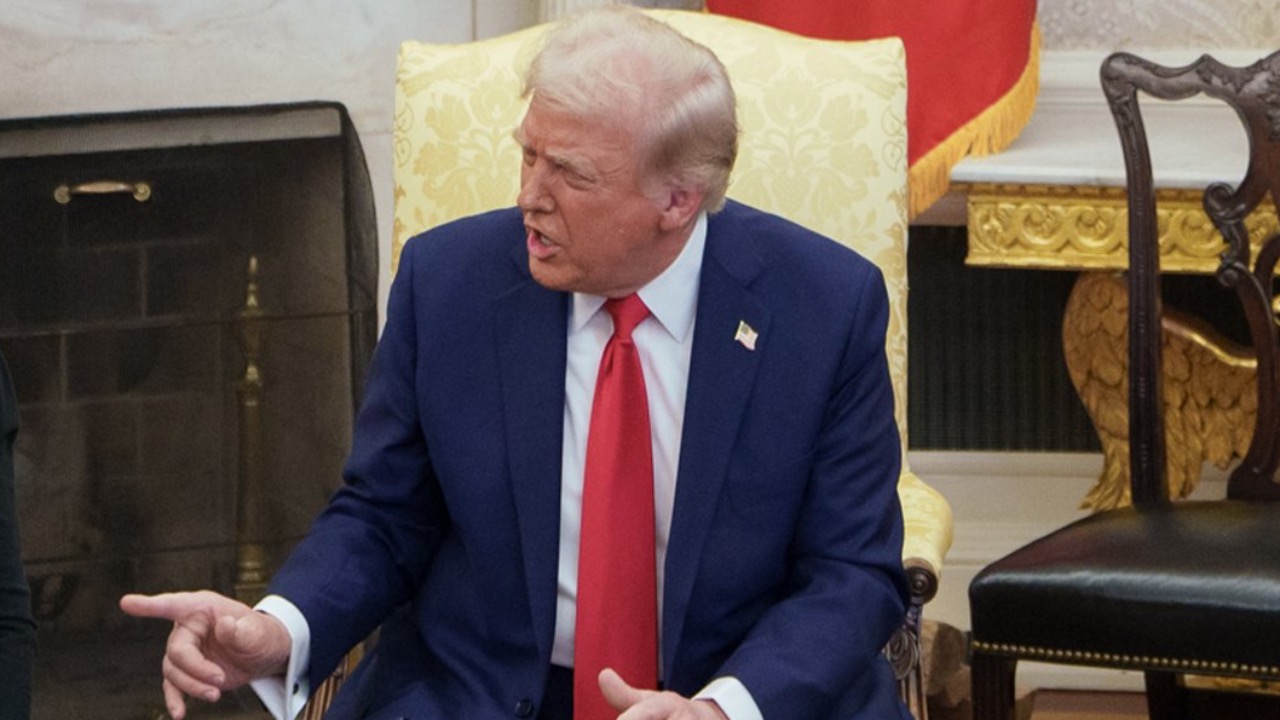
American and Israeli officials paint a different picture. They confirm some aircraft losses but describe most Iranian claims as overstated or fabricated. U.S. forces have carried out several high-profile rescue operations for downed pilots and crews, announcing successful recoveries in recent days. President Trump has shared video footage he says shows major damage inside Iran and has spoken about “the hardest hits yet to come.” Israeli statements focus on continued operations against Hezbollah positions in Lebanon that they link to Iranian support. Both governments insist their strikes have significantly degraded Iran’s military capabilities and that Iranian retaliation has been less effective than claimed. The gap between these assessments and Tehran’s version fuels ongoing arguments about who is actually gaining the upper hand.
Impact on energy markets and shipping
The fighting has already disrupted oil flows through the Strait of Hormuz, a critical chokepoint for global energy supplies. Iran has threatened to close the waterway entirely and has reportedly required some vessels to pay fees or obtain permission to pass. Several Gulf states have reported strikes on energy infrastructure. International shipping companies have rerouted tankers or paused voyages, driving up prices and raising concerns about longer-term shortages. The International Energy Agency has released strategic reserves to help stabilize supplies. For countries that rely on Middle Eastern oil, these developments translate into higher costs at the pump and greater economic uncertainty. You see the effects rippling outward even if you are thousands of miles away. Analysts warn that prolonged restrictions could create broader inflation pressures worldwide.
Civilian toll and displacement
More than fifteen hundred civilians have been killed so far, according to United Nations figures, with thousands more injured. One reported U.S. strike on a school near a naval base in southern Iran alone killed over a hundred and seventy people. Millions have been forced from their homes inside Iran, and the fighting has spilled into Lebanon, where Israeli operations continue. Aid groups describe crowded shelters, strained medical services, and families separated by the chaos. In the Gulf region, drone attacks and missile exchanges have also affected civilian areas. The scale of displacement—over three million people according to recent estimates—has created a growing humanitarian challenge that relief organizations say is only getting harder to address as the conflict drags on.
Mixed signals from the White House
President Trump has offered shifting explanations of U.S. goals. At times he has spoken about regime change and unconditional surrender. At other moments he has mentioned possible negotiations and even claimed progress in talks with Tehran. Iranian officials have flatly denied any meaningful dialogue is taking place. This inconsistency leaves allies and adversaries unsure about Washington’s endgame. Meanwhile, Secretary of State Marco Rubio has warned that tougher strikes are still ahead. The combination of tough rhetoric and occasional talk of deals keeps the situation fluid and unpredictable. Observers note that the mixed messages complicate efforts at de-escalation because it is never entirely clear what each side would accept as an off-ramp.
Regional actors get drawn deeper in
Hezbollah has fired rockets into Israel, prompting Israeli ground and air operations in southern Lebanon. Houthi forces in Yemen have launched missiles in solidarity with Iran. These proxy actions have widened the theater of conflict and raised fears that other states could get pulled in. Gulf countries have tightened security around their oil facilities and some have quietly increased coordination with the United States. The risk of miscalculation grows when so many armed groups operate with their own agendas. For now the focus remains on the direct U.S.-Iran exchanges, but the involvement of these other players adds another dimension that could complicate any future ceasefire efforts.
Where things stand today
The conflict has now stretched into its second month with no clear resolution in sight. Both sides continue limited strikes while issuing fresh claims about battlefield successes. Diplomatic channels remain open through third parties, but trust is low and public statements stay confrontational. Energy markets stay volatile, humanitarian needs keep mounting, and the possibility of further escalation hangs over the entire region. As you follow the next updates, it helps to remember that the gap between what each government says and what can be independently confirmed remains wide. The coming days will likely bring more claims, more counter-claims, and continued pressure on everyone involved to find a way to step back from the brink.

Asher was raised in the woods and on the water, and it shows. He’s logged more hours behind a rifle and under a heavy pack than most men twice his age.