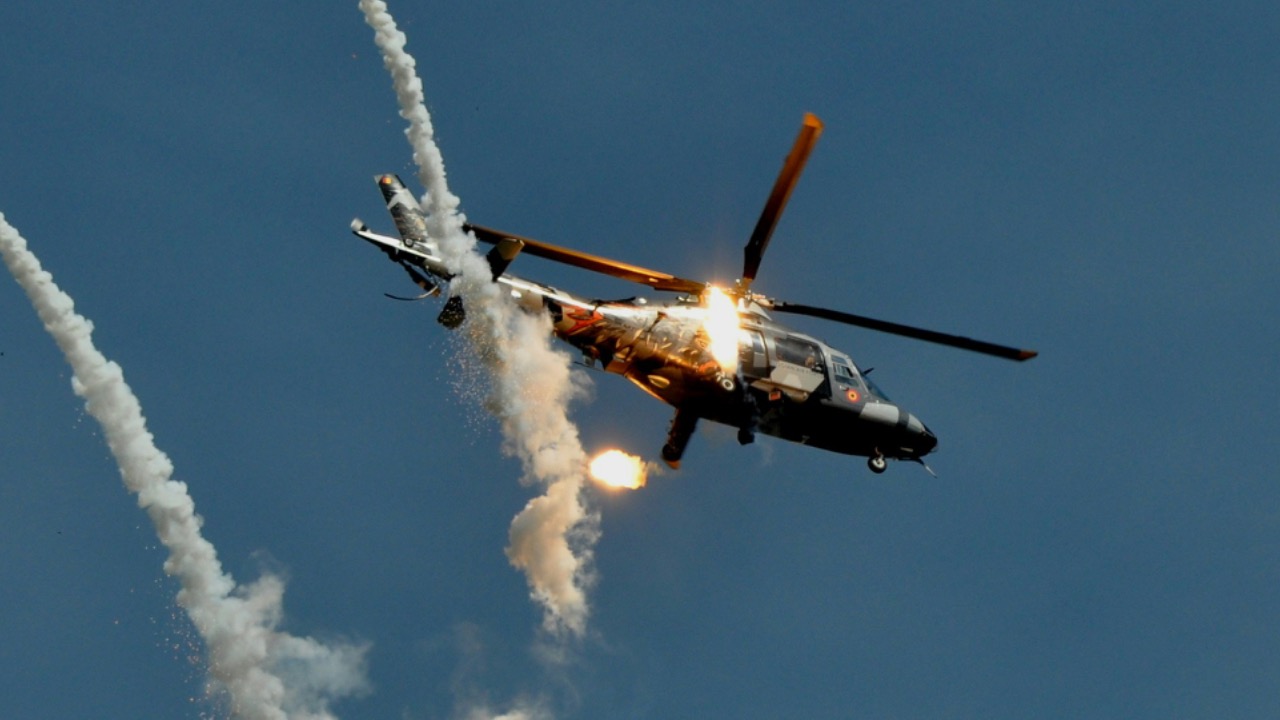
U.S. military sacrifice $500 million in equipment to rescue airman from Iran
Last week an American F-15E Strike Eagle fighter jet was shot down over southwestern Iran during the ongoing conflict. One crew member made it out quickly. The other, a weapons systems officer, spent nearly two days alone in rugged mountain terrain while Iranian forces hunted him. The U.S. military responded with a rescue effort that pulled out all the stops. Over 150 aircraft supported the operation, and special operations teams went deep into enemy territory. In the end they got him back safely, but not without leaving behind millions of dollars in equipment that had to be destroyed on the ground. What you’re reading about is a rare look at the lengths the military will go to when one of its own is stranded behind enemy lines.
The Fighter Jet That Never Made It Back
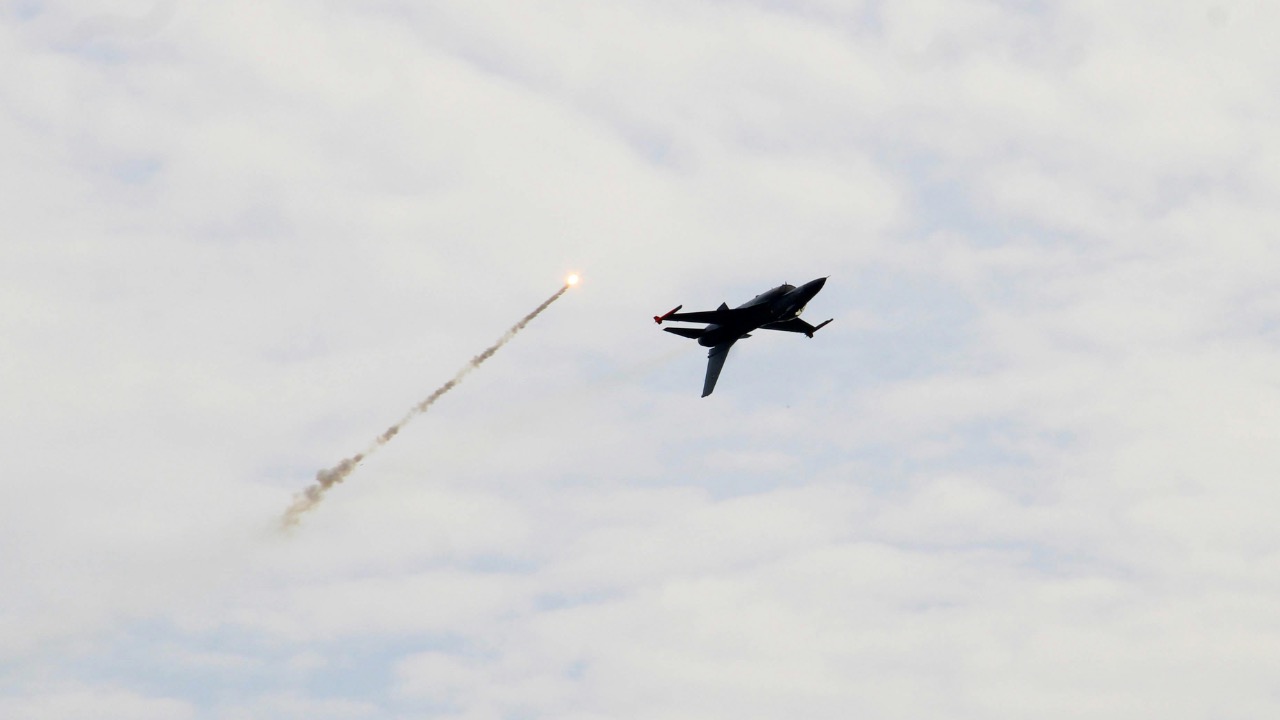
An F-15E Strike Eagle was flying a mission over Isfahan province when Iranian air defenses hit it on Friday. The two crew members ejected separately. The pilot was picked up the same day in a daylight operation that already carried serious risks. The weapons systems officer, however, landed in a remote, rocky area and had to hide immediately. He stayed out of sight for almost 48 hours, moving when he could and staying quiet. Iranian state media reported a bounty on anyone who helped locate him. That separation set everything else in motion. The military knew time was short before Iranian troops or local groups closed in.
How One Airman Survived Behind Enemy Lines
You can imagine the isolation. The officer climbed into a narrow crevice in the mountains and waited. He had basic survival gear and a pistol, but little else. He made contact when it was safe, giving rescuers a fix on his position. For nearly two days he dodged patrols and stayed off the main trails. Officials later said he was injured but coherent enough to signal his location. That patience bought the rescue teams the window they needed. Without his ability to stay hidden and communicate at the right moment, the operation could have turned into a much longer fight.
The Scale of the Rescue Force
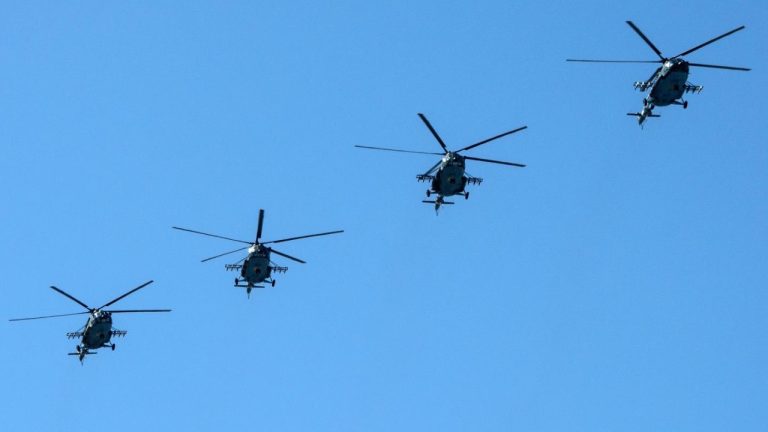
The Pentagon pulled together more than 150 aircraft for the effort, including fighters, bombers, tankers, and specialized rescue platforms. Roughly 100 special operations troops from multiple branches moved in under cover of darkness. Navy SEALs, Army Delta Force, Air Force Pararescuemen, and Army aviators from the 160th Special Operations Aviation Regiment all took part. They inserted by helicopter and modified C-130 variants into terrain south of Tehran. The coordination stretched across air and ground units operating far inside Iranian airspace. It was one of the largest combat search-and-rescue missions in recent U.S. history.
The Night the Teams Went In
Commandos reached the ridge where the officer was sheltering late Saturday night. They moved him to a prearranged pickup point before dawn. Firefights broke out with Iranian Revolutionary Guard forces and local militias during the extraction. U.S. aircraft provided close air support while the ground teams worked. The officer was carried out injured but alive. By early Sunday the entire rescue force, along with the airman, was on its way out. No American personnel were killed or left behind. The speed and precision of that final phase kept the casualty count at zero on the U.S. side.
Why Millions in Equipment Had to Be Destroyed
Two MC-130J Commando II transport planes and at least four helicopters could not take off after the mission due to mechanical issues and battle damage. Leaving them intact would have handed Iran sensitive technology, communications gear, and classified systems. So U.S. forces rigged them with explosives and demolished everything on site. Each MC-130J is valued at well over $100 million. The helicopters added millions more. Senior officials described the decision as standard procedure in denied territory, but the financial hit still landed in the hundreds of millions. It was a deliberate choice to protect capabilities rather than risk them falling into enemy hands.
The Broader Context of the Mission
This rescue happened against the backdrop of a larger conflict that began in late February. The U.S. and Israel have been striking Iranian targets for weeks. The loss of the F-15E marked the first American jet shot down by Iranian fire in that campaign. President Trump publicly confirmed the successful recovery early Sunday, emphasizing that no one gets left behind. The operation also showed how quickly the military can shift from combat missions to personnel recovery when the stakes involve an American service member. It came at a moment when both sides were watching closely for any sign of weakness.
What the Numbers Actually Mean
The equipment losses add up fast. Reports put the total value of destroyed aircraft somewhere between $300 million and $500 million, depending on which platforms are counted. That does not include fuel, munitions, or the operational costs of the supporting air armada. Yet the military viewed the trade-off as clear. One colonel was brought home safely, and no sensitive gear was compromised. In the weeks ahead you will likely hear more details as after-action reviews are completed. For now, the public picture shows a high-risk operation that succeeded exactly as planned, even if the price tag was steep.

Asher was raised in the woods and on the water, and it shows. He’s logged more hours behind a rifle and under a heavy pack than most men twice his age.