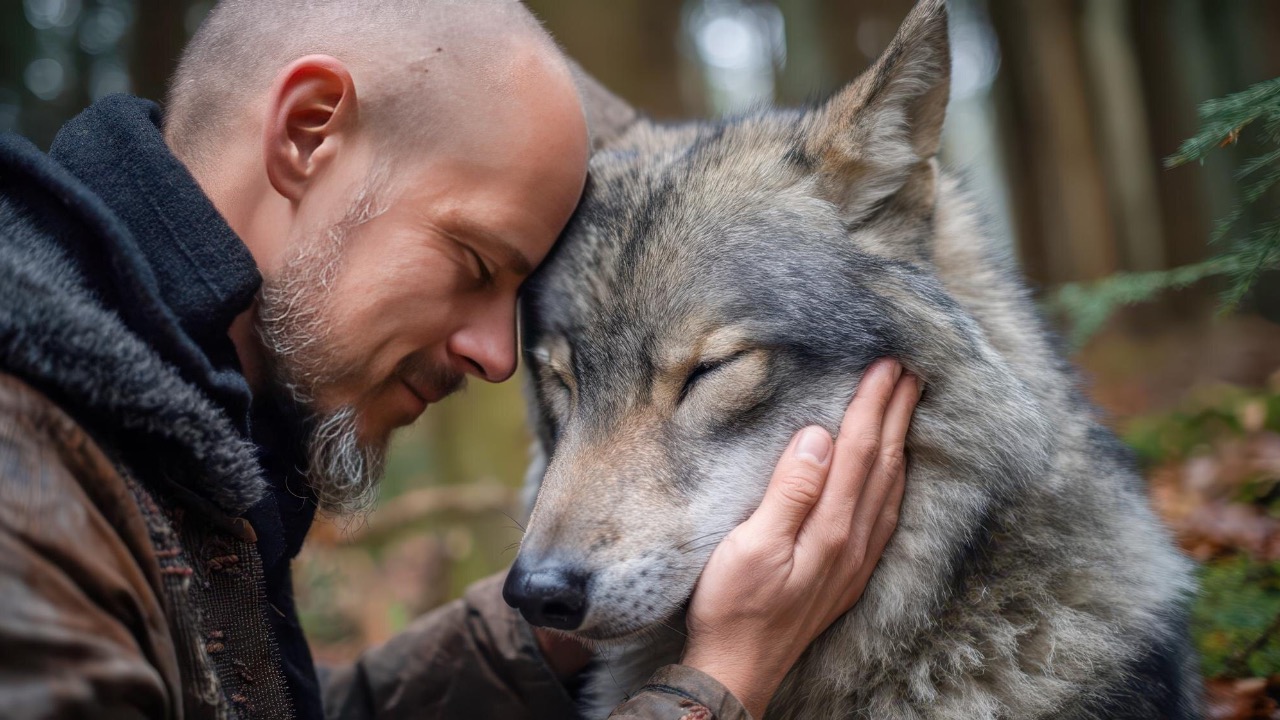
Research explores why some people appear to connect deeply with animals
You’ve seen it before, maybe even felt it yourself. One person steps into the woods and it’s noise and movement. Another walks the same ground and reads it like a book—picks up on small shifts, settles animals down, and comes away saying it felt like a conversation.
There’s more to that than luck. Research in behavior, psychology, and biology points to a handful of traits and habits that shape how people connect with animals. Some of it you’re born with. A lot of it you build over time, whether you realize it or not.
Some People Read Body Language Without Thinking About It
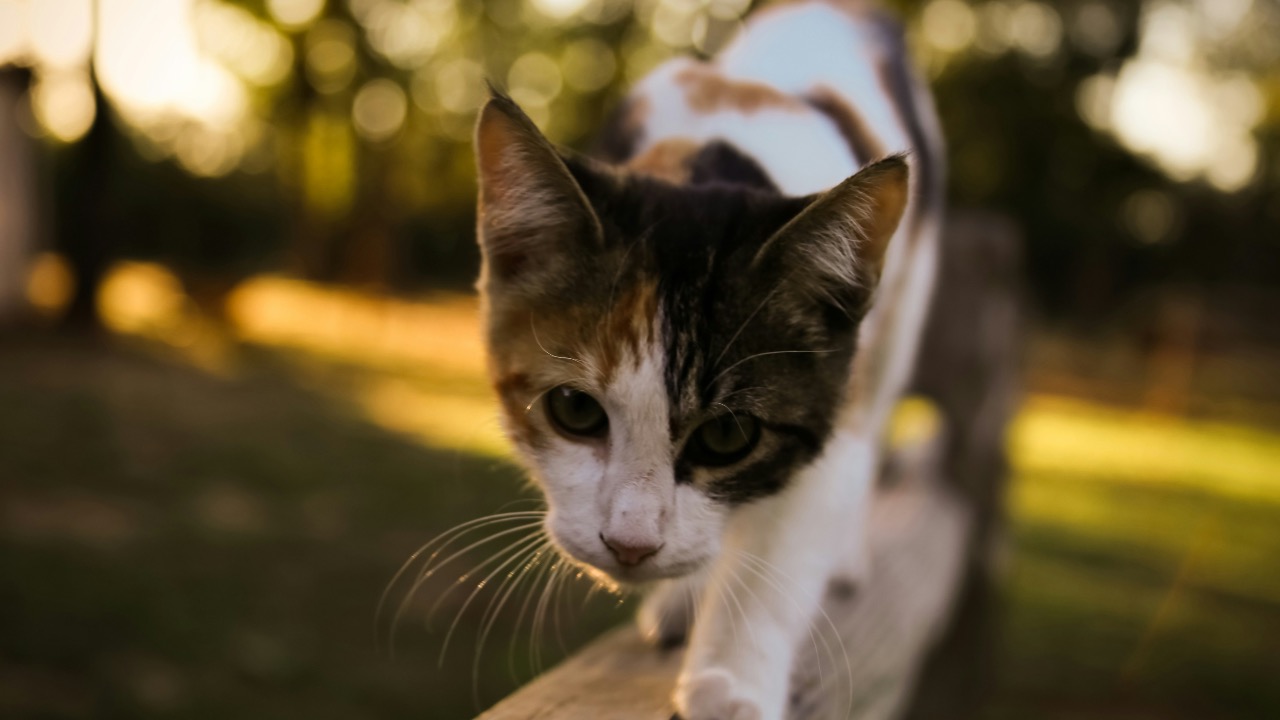
You don’t need words to understand an animal. A flick of an ear, a shift in posture, the way something holds still—those signals carry meaning. Studies on nonverbal perception show that some people process those cues faster and more accurately than others.
If you’re wired that way, you pick up patterns without stopping to analyze them. You notice tension before a deer blows out or see calm settle back in after you ease your movement. It’s not magic. It’s your brain recognizing subtle changes and linking them to outcomes, often without you realizing it’s happening.
Time Outdoors Trains Your Brain to Slow Down
Spend enough hours outside and your pace changes. Research on attention shows that natural settings pull your focus into a quieter, more steady state. That shift helps you notice details you’d miss when you’re rushed.
You start catching the small things—wind direction on your face, how birds react, how animals enter and leave an area. That awareness builds over seasons. The more time you log, the more your mind settles into that rhythm. Animals respond to it too. You move less like a disruption and more like part of the background.
Early Exposure Shapes How You Relate to Animals
People who grew up around animals often carry that connection into adulthood. Developmental research shows that early experiences with animals build familiarity and reduce fear.
If you spent time watching livestock, hunting with family, or handling animals as a kid, you learned how they behave before you had the words for it. That foundation sticks. You’re more comfortable reading movement, more patient waiting things out, and less likely to overreact when something changes. It’s not something you cram later—it’s laid down early and reinforced over years.
Empathy Plays a Bigger Role Than Most Admit
There’s a tendency to separate empathy from hunting or wildlife work, but the science doesn’t back that up. People who score higher in empathy tend to read animal behavior more accurately.
That doesn’t mean you’re assigning human emotions where they don’t belong. It means you’re tuned in to stress, calm, and intent. You recognize when an animal is alert versus relaxed, and you adjust accordingly. That awareness can make you more effective in the field because you’re working with behavior instead of pushing against it.
Stillness and Patience Change How Animals Respond
Animals notice movement first. Research on predator-prey dynamics shows that stillness reduces perceived threat. The less you move, the less attention you draw.
Some people are naturally better at holding still and letting things develop. Others learn it the hard way. When you stay quiet long enough, animals go back to what they were doing. That’s when you start seeing more natural behavior. It feels like connection, but it’s really you stepping out of the way and letting the situation settle.
Sensory Awareness Builds With Practice
Hearing, sight, even smell—all of it sharpens with use. Studies on sensory adaptation show that repeated exposure in a consistent environment improves how you process incoming information.
You begin to separate background noise from meaningful sound. A twig snap stands out. A change in bird chatter catches your attention. You’re not gaining new senses—you’re refining the ones you’ve got. Over time, that makes your interactions with animals feel more direct because you’re picking up on what’s actually happening around you.
Reduced Noise and Presence Lowers Animal Stress
Animals react to pressure. Research on wildlife stress responses shows that consistent human disturbance changes how animals move and behave. The quieter and more predictable you are, the less stress you create.
Some people naturally carry themselves in a way that doesn’t spike that response. Slow steps, controlled movement, and awareness of surroundings all factor in. When you move through an area without sending out alarms, animals don’t feel pushed. That’s when encounters last longer and feel closer.
Pattern Recognition Comes From Repetition
The longer you watch animals, the more patterns you store. Feeding times, travel routes, reactions to pressure—it all builds into a mental catalog. Cognitive research calls it pattern recognition, and it’s a skill that strengthens with repetition.
You start predicting behavior instead of reacting to it. You know where something is likely to step out or how it will respond to a shift in wind. That doesn’t guarantee success, but it puts you ahead. It also creates that sense of connection, because you’re not guessing—you’re anticipating based on experience.
What feels like a deep connection usually comes down to awareness, time, and experience stacked over years. Some folks start ahead of the curve, but most of it is built the hard way—quiet hours, missed chances, and paying attention when it matters.

Asher was raised in the woods and on the water, and it shows. He’s logged more hours behind a rifle and under a heavy pack than most men twice his age.