Hunter Returns to Find Stranger Waiting by His Truck, Claiming the Spot for His Family
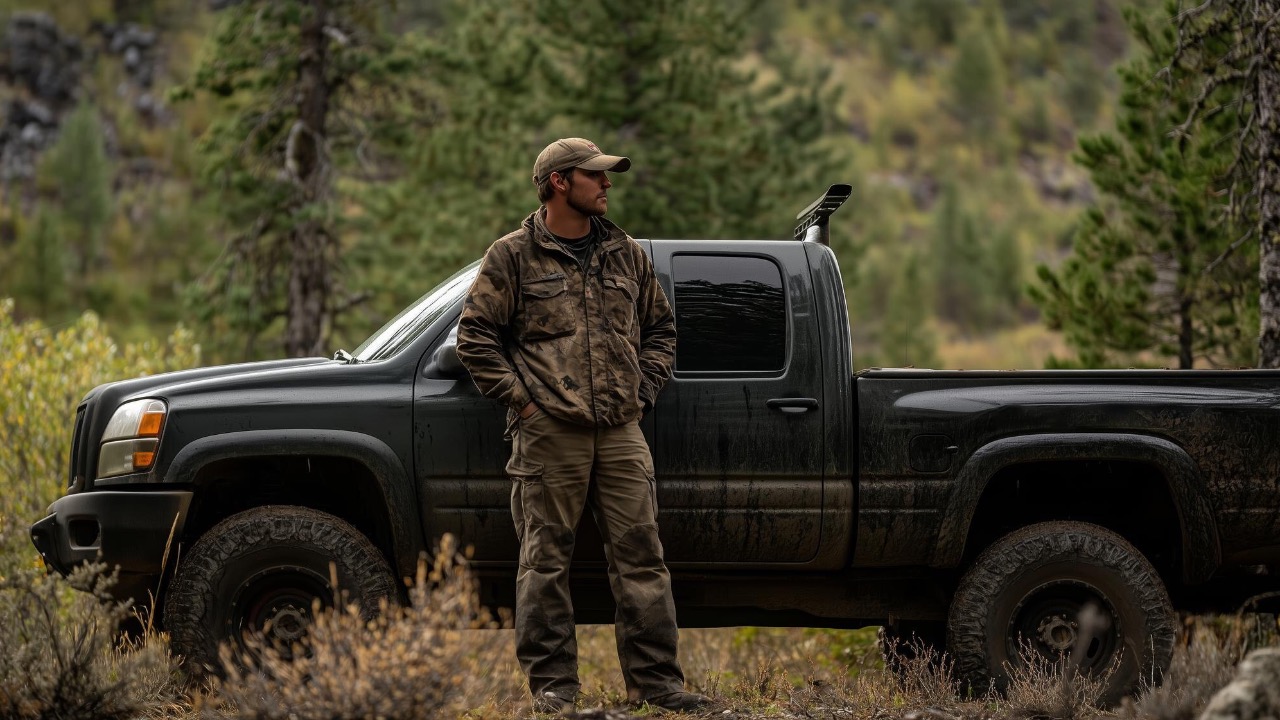
A hunter returning to his truck after a long sit in the woods expects either silence or the distant crackle of another shot, not a stranger leaning against his tailgate and insisting the area now belongs to someone else. Yet that is the core of a story now circulating among hunters, in which a man stepped out of the timber to find another person waiting at his vehicle, declaring the spot reserved for his family and demanding he leave. The encounter, while resolved without violence, has become a flashpoint in ongoing debates about hunting ethics, property rights, and how quickly tensions can escalate when firearms and entitlement collide.
The situation touches a nerve because it blends two emotionally loaded ideas: the sense of ownership hunters feel over “their” spots and the very real legal lines that separate public access from private land. It also plays into broader cultural arguments about respect in the outdoors, from crowded boat ramps to overrun trailheads, and raises difficult questions about how conflicts should be handled when everyone involved is armed and convinced they are in the right.
What happened

According to accounts shared within the hunting community, the incident began like many routine outings. A hunter parked at a familiar access point, walked into the woods before daylight, and settled in for several hours of quiet waiting. The area had been used by him in previous seasons, and nothing at the parking spot suggested a reservation system, lease marker, or posted restriction that would have changed his plans. When he eventually hiked back out, gear in hand and mind on the drive home, he saw another truck nearby and a stranger standing beside his own vehicle.
The man at the truck reportedly opened the conversation not with a greeting but with a claim. He told the returning hunter that this was “his family’s spot” and that they had hunted there for years. He framed his presence as a kind of enforcement, as if he were a gatekeeper for a generational right to the area. The implication was clear: the hunter who had just finished his sit was trespassing on a tradition, if not on the law itself. The stranger’s tone, as described by those who have repeated the story, carried more accusation than curiosity.
At that moment, two different maps collided. One was the legal map that determines whether land is public, private, leased, or otherwise restricted. The other was the mental map many hunters carry, where a ridge, a hollow, or a small clearing becomes “their” place through years of effort and familiarity. The stranger appeared to treat his family’s history as a kind of deed, even though no physical signage or documentation at the truck suggested any formal control over the access point. The returning hunter, on the other hand, believed he was using land open to anyone who followed the rules.
The conversation reportedly grew tense as the stranger insisted the area was effectively off-limits to outsiders. He suggested that his relatives would be arriving soon and that they expected to find the place free of other hunters. The man who had just finished his hunt pushed back, pointing out that he had parked legally and walked in from a public access. He had not crossed fences, ignored “No Trespassing” signs, or cut through private yards. To his understanding, he had followed both the letter and the spirit of state regulations that govern public hunting grounds.
In many such encounters, the next steps are critical. A raised voice, a hand gesture toward a firearm, or a step too close can turn a heated argument into a dangerous confrontation. In this case, both men reportedly kept their weapons holstered or slung and did not threaten each other directly. The returning hunter chose to de-escalate. He explained his position, declined to accept the stranger’s informal claim of ownership, then left the area rather than risk a deeper conflict in a remote place where help would not arrive quickly.
Stories like this often spread quickly through hunting forums and social media, where they are dissected in comment threads that mix legal advice, personal anecdotes, and strong opinions about etiquette. Some readers side with the long-time local who believes generational use should count for something. Others support the visiting hunter who followed posted rules and sees any attempt to reserve public land as entitlement. The lack of a clear, shared understanding of the property status at that truck only fuels the disagreement.
The debate also intersects with broader outdoor culture, where crowding has become a recurring complaint. Anglers argue over “spot burning” when someone shares a productive location online. Hikers grumble about packed trailheads on holiday weekends. Hunters, who often rely on stealth and solitude, feel this pressure acutely. When a stranger appears at a truck and claims a long-standing right to the area, it taps into a wider anxiety that the quiet corners of the woods are disappearing under the weight of competing expectations.
Why it matters
The stakes in this kind of parking-lot confrontation go far beyond bruised egos. At a basic level, the dispute highlights how fragile trust can be when people carry firearms into emotionally charged situations. Even when both parties are experienced and law-abiding, a misunderstanding about property lines or etiquette can escalate quickly. Law enforcement officers who respond to hunting disputes routinely emphasize that the presence of guns changes the risk calculus, since a split-second misjudgment can have irreversible consequences.
There is also a legal dimension that many casual hunters underestimate. State wildlife agencies and land management offices draw sharp distinctions between public land, private property, leases, and easements. A family that has hunted a particular area for decades may feel a deep connection to it, but without a deed, lease agreement, or clearly posted boundary, that history does not create a legal right to exclude others. Conversely, a visiting hunter who assumes an access point is public because it looks like a typical parking area can still be cited if the land is actually private and posted elsewhere.
That tension between custom and law surfaces in other corners of rural culture. In some regions, neighbors routinely cross each other’s fields with informal permission, a pattern that can persist for generations. When a new owner buys the property and posts it, long-time users feel displaced, even if they never had a written agreement. In the hunting story at the truck, the stranger’s reference to “his family’s spot” echoes that tradition, but it does not necessarily align with the regulations that define who can hunt where.
Modern outdoor media adds another layer. Popular songs and videos that romanticize vigilante justice or territorial defense can shape how some listeners think about conflict in the woods. A prominent example is the song “wait in the truck,” a collaboration by HARDY and Lainey Wilson that reached the No. 1 spot at country radio and drew wide attention for its storyline about a man who takes violent revenge on an abuser. The track, which earned top country airplay, portrays a character who does not wait for authorities but acts on his own sense of justice.
While the truck-side hunting dispute did not involve anything close to that level of violence, the cultural backdrop matters. When entertainment repeatedly celebrates characters who “handle things themselves,” some people may feel emboldened to assert control over public spaces or confront others more aggressively. Outdoor educators and safety instructors often stress the opposite message, urging hunters and anglers to walk away from escalating situations and let game wardens or local deputies sort out legal questions about access.
The incident also exposes a gap in communication that could be addressed with relatively simple tools. Clear signage at access points, updated digital maps from state agencies, and better outreach about property boundaries can reduce the number of genuine misunderstandings. Many states already publish interactive maps that show wildlife management areas, walk-in access parcels, and private lands open through agreements with landowners. When hunters rely on outdated paper maps, word of mouth, or vague memories from previous seasons, they are more likely to stumble into disputed spaces.
Ethically, the story forces hunters to examine how they think about “their” spots on land they do not own. Scouting, hanging tree stands, and learning animal patterns require time and effort, and it is natural to feel attached to a productive location. Yet public ground is, by definition, shared. Experienced hunters often develop informal systems to reduce conflict, such as leaving notes under windshield wipers to signal which direction they walked or agreeing with local groups to rotate areas on busy weekends. When someone instead treats a public access as a private lease and confronts others at the truck, that cooperative spirit breaks down.
The stranger’s claim on behalf of his family also reflects deeper questions about who feels welcome in the outdoors. New hunters, including those from urban backgrounds or underrepresented communities, already face barriers such as cost, lack of mentors, and unfamiliarity with rural norms. If they also encounter hostility or territorial behavior at access points, they may decide the experience is not worth repeating. Conservation agencies that depend on license revenue and broad public support for habitat work have strong incentives to keep public lands genuinely accessible, not informally controlled by local cliques.
From a social standpoint, the story has become a kind of cautionary tale. It circulates alongside reminders about hunter orange, tree stand safety, and firearm handling, but with a different lesson: the most dangerous moment of a hunt might not involve a misfired rifle. It might happen back at the truck, when simmering frustrations about crowding, tradition, and perceived disrespect collide. The hunter who walked away from the confrontation, even while feeling wronged, modeled a form of restraint that safety instructors and land managers often wish they could bottle.
What to watch next
Looking ahead, several trends will shape how similar conflicts play out in the coming seasons. Hunter numbers in some regions are stabilizing or even growing after years of decline, partly due to renewed interest in local food and outdoor recreation. As more people compete for limited public acres, especially near metropolitan areas, the pressure on access points will increase. Parking lots that once saw a single truck may now hold several, and the odds of overlapping plans or territorial claims will rise accordingly.
- Encouraging hunters to treat any occupied access point as a sign to move to a different area when possible.
- Promoting the use of windshield notes or simple maps at kiosks to indicate where people are hunting that day.
- Hosting preseason meetings where regular users of a public area coordinate rough plans to avoid piling onto the same ridge or field.

Leo’s been tracking game and tuning gear since he could stand upright. He’s sharp, driven, and knows how to keep things running when conditions turn.