What Legal Gun Owners Should Never Do
Owning a firearm comes with more than a background check and a receipt. You’re taking on responsibility that doesn’t leave much room for mistakes. Most legal gun owners understand that, but trouble still shows up in small lapses—things that seem minor until they aren’t.
You don’t have to be reckless to end up in a bad situation. A missed step in storage, a poor decision in the field, or a misunderstanding of the law can turn into something serious fast. The good news is most of it’s avoidable if you stay sharp and honest about how you handle your gear. Here’s where legal gun owners get into trouble—and what you should steer clear of.
Leaving a Firearm Unsecured Around Others
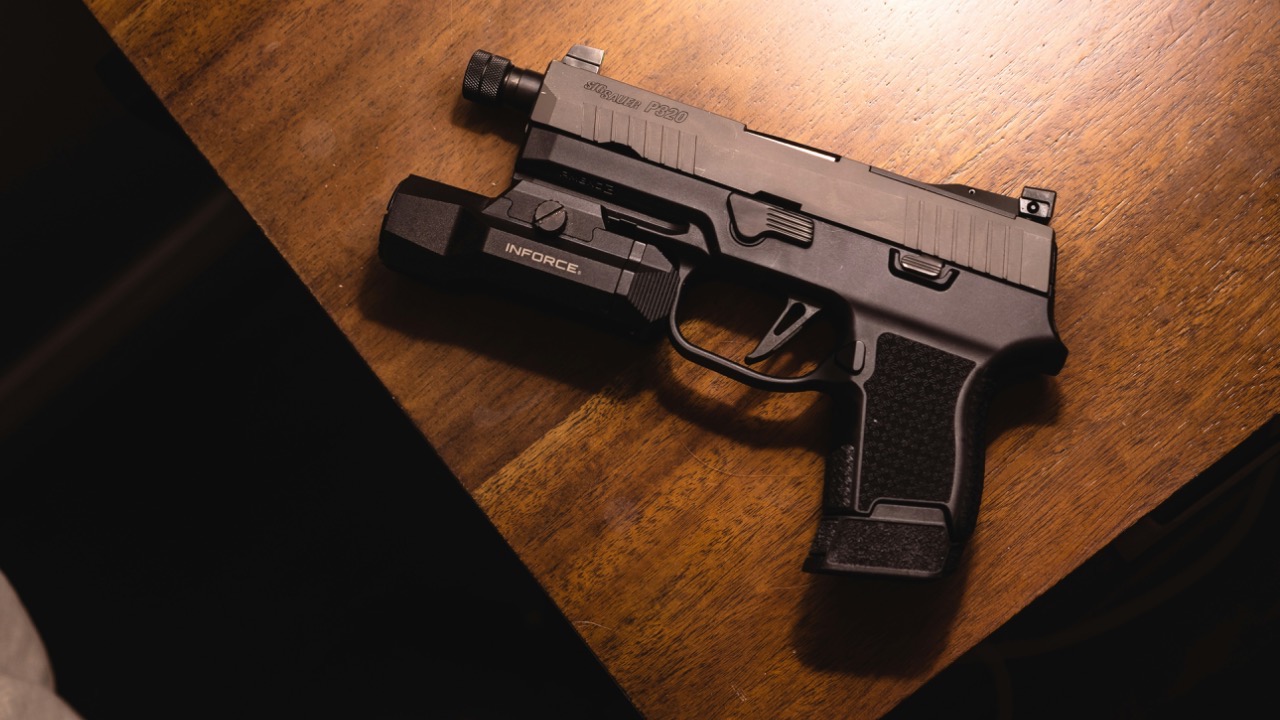
You might trust the people in your home, but that doesn’t cover every situation. Kids, guests, and even adults unfamiliar with firearms can make bad decisions in a moment. Leaving a gun out or poorly secured is one of the fastest ways to create a preventable accident.
Secure storage isn’t complicated, but it has to be consistent. Safes, lock boxes, and cable locks all exist for a reason. When you’re not in direct control of your firearm, it needs to be locked down. That’s not paranoia—it’s baseline responsibility. One lapse is all it takes.
Assuming You Know the Law Without Checking
Gun laws change, and they vary by state, county, and sometimes even city. What’s legal where you live might not hold up a few miles down the road. Assuming you’re covered without checking is how people end up facing charges they didn’t see coming.
You’ve got to stay current. That means looking up transport rules, carry regulations, and hunting-specific laws before you head out. Relying on old information or secondhand advice can cost you. If you’re carrying or transporting, you should know exactly where you stand.
Mixing Alcohol or Drugs With Firearms
This one should be obvious, but it still happens. Alcohol and firearms don’t belong in the same space. Even a small amount can affect judgment, reaction time, and awareness.
It doesn’t take much for a situation to go sideways when your edge is dulled. Whether you’re at camp, at home, or out shooting, keep the two separate. If you plan on drinking, the guns should already be put away and secured. There’s no gray area here.
Handling a Gun Carelessly in Public or at Camp
You’ve probably seen it—someone swinging a muzzle where it doesn’t belong or getting sloppy because they’re comfortable. That’s where accidents start.
Every firearm should be treated like it’s loaded, every time. Muzzle discipline and trigger control aren’t optional depending on the setting. It doesn’t matter if you’re at a range, in camp, or cleaning a rifle in the garage. The rules don’t change. The moment you relax them is when you create risk for yourself and everyone around you.
Letting Emotions Dictate Your Actions
Tempers flare. Arguments happen. Bringing a firearm into any emotional situation is a mistake that can’t be undone.
Even if you never intend to use it, the presence of a gun raises the stakes immediately. It changes how others react and how situations escalate. If you’re angry, frustrated, or worked up, the last thing you need is a firearm in your hands or on your hip. Walk away, cool off, and keep distance between you and the weapon.
Failing to Maintain and Inspect Your Firearm
A neglected firearm can fail when you need it most—or worse, fail in a way that causes injury. Dirt, rust, worn parts, and bad ammunition all play a role.
Regular cleaning and inspection aren’t optional. You should know the condition of your firearm before you load it, not after something goes wrong. That includes checking for obstructions, ensuring parts are functioning, and using proper ammunition. A little time spent maintaining your gear goes a long way toward keeping things safe.
Ignoring Safe Transport Practices
How you move a firearm matters. Tossing it in a vehicle without thinking through the details can land you in trouble depending on where you are.
Unloaded, secured, and stored properly—that’s the standard you should be working from. Some places require separate storage for ammunition. Others have strict rules about visibility and access. If you’re crossing state lines or heading into town after a hunt, you need to know the expectations ahead of time. Guessing isn’t good enough.
Skipping Training Because You “Know Enough”
Experience helps, but it doesn’t make you immune to mistakes. Skills fade if you don’t use them, and bad habits creep in when you stop paying attention.
Training keeps you honest. Whether it’s range time, a refresher course, or practicing safe handling at home with an unloaded firearm, repetition matters. You’re building muscle memory and reinforcing the basics. The more familiar you are with your firearm under controlled conditions, the less likely you are to make a mistake when it counts.
If you stay disciplined and respect what you’re handling, you avoid most of the problems that give gun owners a bad name. None of this is complicated, but all of it matters.

Asher was raised in the woods and on the water, and it shows. He’s logged more hours behind a rifle and under a heavy pack than most men twice his age.