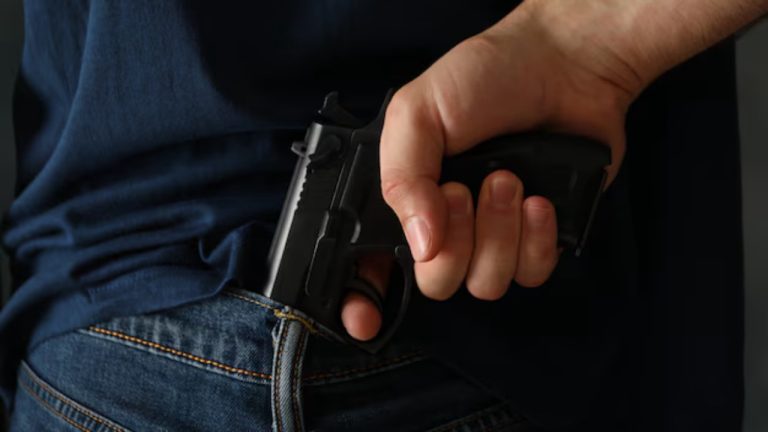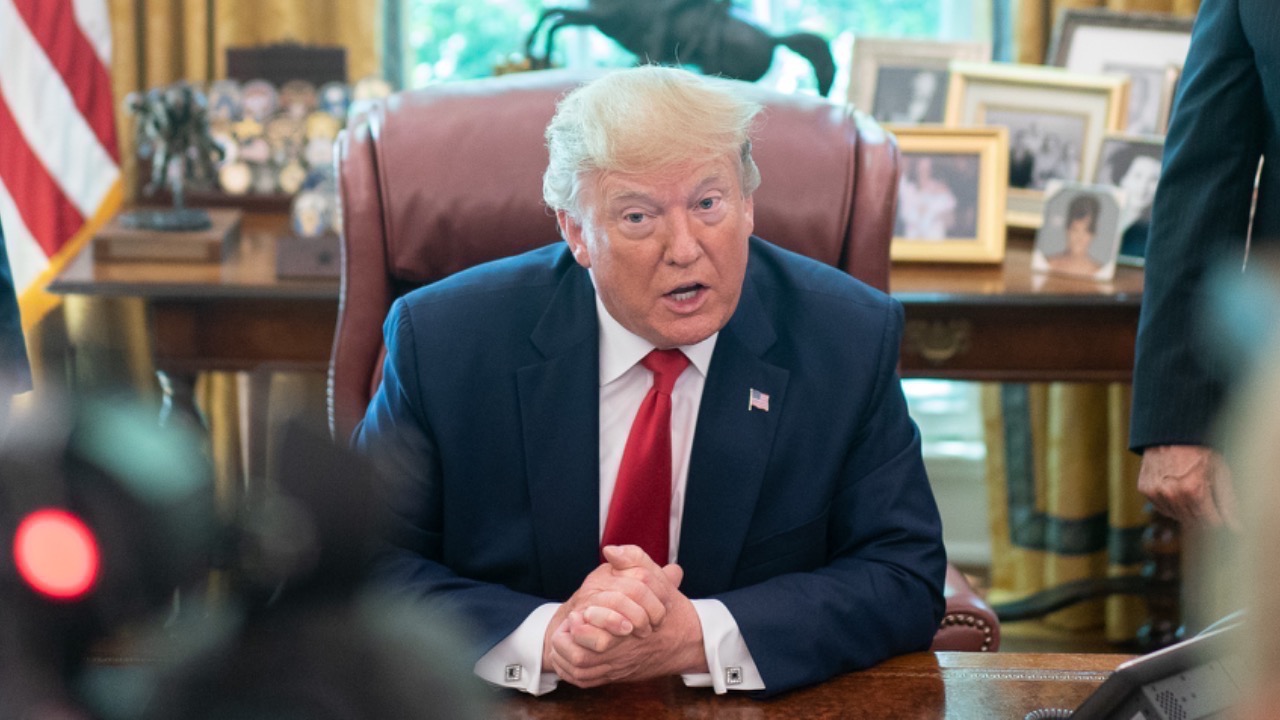
Trump Administration Threatens to Sue Virginia if Governor Spanberger Signs Gun-Related Bills
If you’ve been following Virginia politics, you know the state has flipped back to Democratic control after the 2025 election. Abigail Spanberger took office in January as the first woman to lead the Commonwealth, bringing with her a background as a former CIA officer and congresswoman. Now, barely three months in, the Trump administration has drawn a hard line. On April 10 the Justice Department sent a formal warning: sign bills that restrict certain firearms, and expect a federal lawsuit. This isn’t abstract posturing. It directly challenges the more than 20 gun measures the General Assembly passed and sent to her desk, setting up a direct test of state authority against federal Second Amendment enforcement.
The Federal Warning Lands in Richmond
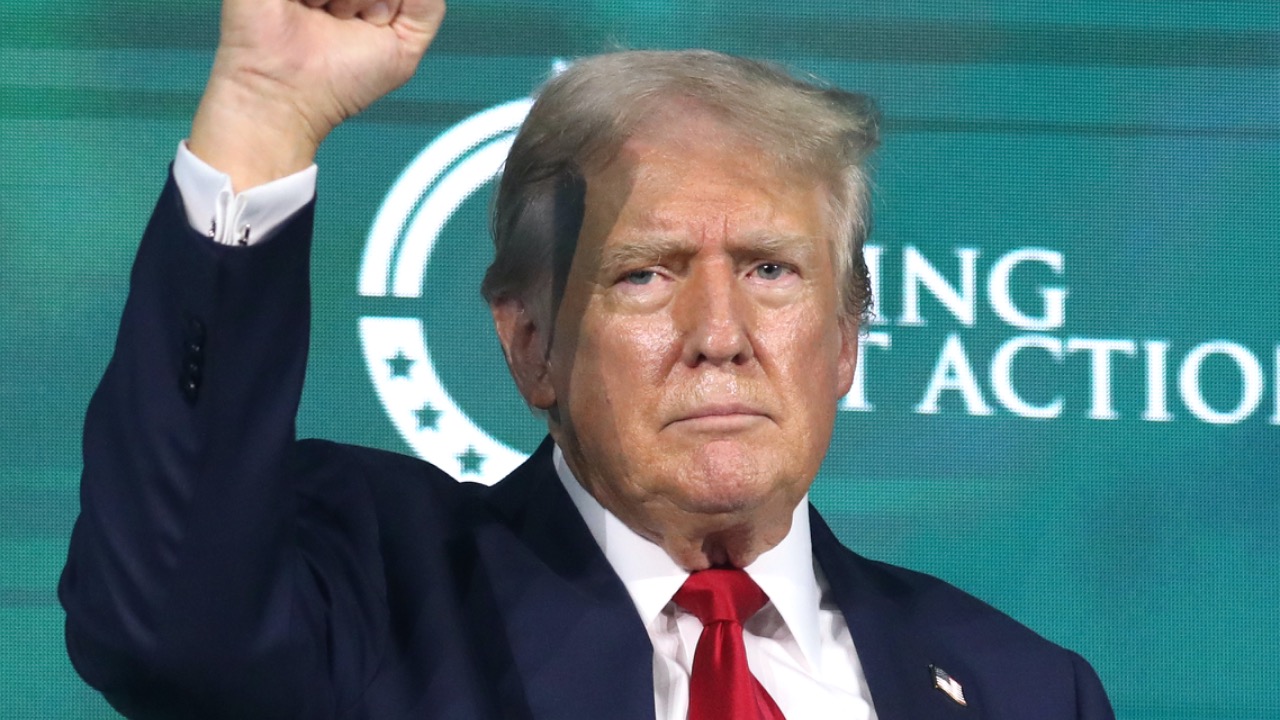
Assistant Attorney General Harmeet Dhillon delivered the notice without much room for interpretation. In a letter to Governor Spanberger she made plain that the Civil Rights Division would sue if Virginia enacted measures that unconstitutionally limit law-abiding citizens from owning or using protected firearms. The warning singled out plans to criminalize the sale and purchase of assault-style weapons like AR-15s. Dhillon pointed to President Trump’s Executive Order 14206 as the guiding policy, stressing that the administration would take affirmative steps to prevent infringement on those rights.
You can see the pressure this creates for Spanberger, who faces a tight deadline to sign, veto, or amend hundreds of bills. The federal move arrived exactly as the legislature’s package reached her office, framing the coming decisions as a potential constitutional violation rather than routine state policymaking. Virginia’s attorney general quickly pushed back, calling the threat a distortion of federal civil rights priorities.
Spanberger’s Path to the Governor’s Mansion
Abigail Spanberger won the governorship after serving three terms in Congress representing central Virginia districts. Her campaign emphasized public safety, education, and affordability, drawing on her experience carrying a firearm daily as a federal law enforcement officer. Voters handed Democrats full control of the General Assembly at the same time, giving her a legislature aligned with her party for the first time in recent cycles.
This shift reversed the Republican hold under former Governor Glenn Youngkin. Spanberger positioned herself as someone who could deliver results for families concerned about gun violence while respecting lawful gun ownership. Yet the volume of bills now on her desk tests that balance, especially with federal oversight watching closely. Her early actions show she has already approved targeted measures on domestic violence and untraceable firearms.
Inside the Gun Control Package from the Legislature
The General Assembly forwarded a broad set of proposals aimed at reducing gun violence. Some close loopholes that let people convicted of misdemeanor domestic violence keep firearms. Others crack down on ghost guns lacking serial numbers and hold negligent dealers accountable when their practices fuel crime. These passed with varying levels of bipartisan support and focus on enforcement rather than outright bans.
More controversial measures target the sale, manufacture, and transfer of assault-style weapons and high-capacity magazines. Supporters argue they remove weapons of war from streets and protect schoolchildren. Opponents counter that they punish responsible owners without touching criminals who ignore laws anyway. The mix leaves Spanberger sorting which bills align with safety goals and which cross into federal red lines.
Why the DOJ Sees a Constitutional Problem
The Justice Department frames the assault-weapon restrictions as a direct infringement on the individual right to bear arms for lawful purposes. Officials highlight how the bills would make it a crime for citizens to buy or sell certain semiautomatic rifles commonly used for self-defense, hunting, and sport. They argue existing Supreme Court precedents protect these arms as part of the core Second Amendment protection.
This stance echoes the administration’s broader push to defend gun rights nationwide. The letter urges Spanberger to reconsider any legislation that would criminalize ownership by law-abiding Virginians. By invoking the executive order, the DOJ signals it will not wait for courts to act after the fact but will move preemptively if she signs the offending measures.
Virginia’s Shifting Political Landscape
Virginia has swung between parties in recent elections, reflecting its status as a battleground state with growing Northern Virginia suburbs. Democrats regained the governorship and maintained legislative majorities, fueled by concerns over education, health care, and public safety. Gun policy became a flashpoint after several high-profile incidents, pushing lawmakers to act on prevention.
At the same time, rural and suburban gun owners remain a powerful constituency. Many view the new bills as overreach that ignores how most gun crime stems from illegal possession rather than legal purchases. The federal intervention amplifies those divides, turning a state debate into a national one about the proper role of Washington in local firearm regulation.
How Gun Owners and Advocates Are Reacting
Virginia gun owners have voiced frustration through social media and local forums, seeing the threat as validation of their concerns about creeping restrictions. Advocacy groups on both sides mobilized quickly. Firearms rights organizations praised the DOJ for stepping in, while public safety advocates criticized it as prioritizing weapons over community protection.
Spanberger herself has stayed measured in public comments so far. She has noted her law enforcement background and commitment to keeping families safe. Meanwhile, some lawmakers who backed the bills express confidence the state can defend its authority in court if challenged. The back-and-forth underscores how polarized the issue remains even within a single state.
The Legal Precedents at Play
Federal courts have grown more protective of Second Amendment claims in recent years, citing landmark rulings that treat the right as fundamental. Challenges to assault-weapon bans in other states have succeeded on similar grounds, arguing that common semiautomatic rifles fall within protected categories. Virginia’s version would face the same scrutiny if enacted.
The DOJ letter essentially previews the government’s litigation strategy. It positions the administration as ready to argue that such bans fail constitutional tests. This approach differs from past federal hands-off stances toward state gun laws and could set a template for other Democratic-led states considering comparable measures.
What This Means Moving Forward
Governor Spanberger now weighs her options with the federal sword hanging overhead. Signing the more aggressive bills risks an immediate lawsuit that could tie up state resources and delay implementation. Vetoing them might anger her legislative allies and the voters who supported stronger gun violence prevention.
Either path carries political costs in a state where gun policy sways elections. The episode also highlights ongoing tensions between red federal leadership and blue state majorities. For everyday Virginians, it raises practical questions about what firearm rules will ultimately govern their daily lives and how far Washington will go to enforce its view of the Constitution. The coming days will show whether the threat leads to compromise or prolonged court battles.

Asher was raised in the woods and on the water, and it shows. He’s logged more hours behind a rifle and under a heavy pack than most men twice his age.