Massive L.A. County Raid Rescues 300+ Dogs and Cats in One Day: The Shocking Conditions Inside
You hear about animal welfare cases all the time, but every so often one comes along that stops you in your tracks. On March 20, 2026, Los Angeles County officials executed a search warrant at a property in Lake Hughes, a rural stretch north of the city. What started as a response to years of neighbor complaints turned into the largest seizure of dogs and cats in county history. More than 70 staff from the Department of Animal Care and Control showed up before dawn, backed by district attorney investigators and mutual aid from other agencies. In the end they removed around 316 animals—roughly 250 dogs and 66 cats—from a spot run by Rock N Pawz Animal Rescue. The numbers alone tell part of the story, but the conditions they left behind tell the rest.
The Tip That Sparked the Largest Rescue in County History
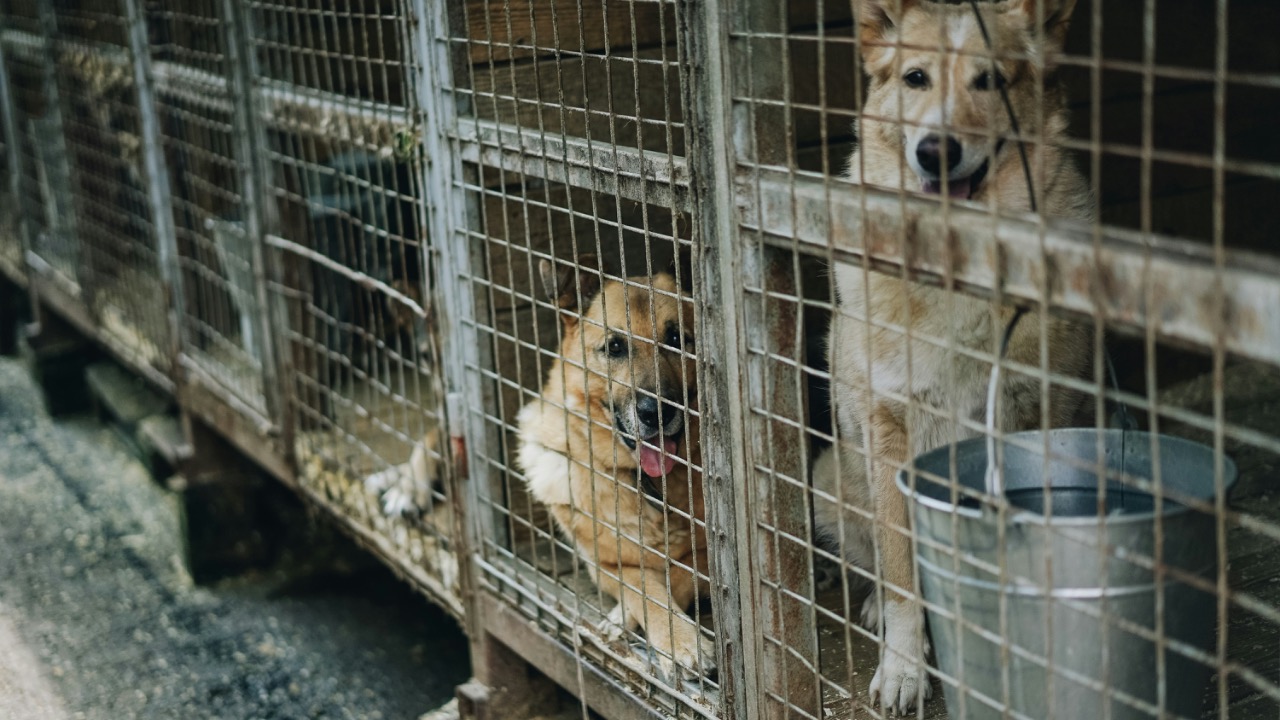
Neighbors in Lake Hughes had been reaching out for years about the property on 266th Street West. They described a constant stench drifting on the wind and nonstop barking that sounded more like fights than normal dog chatter. Officials received tips with audio and video evidence, enough to secure a warrant for animal welfare violations. Early that Friday morning the teams rolled in around seven o’clock. Initial estimates put the animal count near seven hundred, but the actual seizure settled closer to three hundred after a careful count.
The operation moved fast because the situation had clearly been building for a long time. Director Marcia Mayeda later called it an example of how rescues can start with the best motives and still end up overwhelmed. No one walked away untouched by what they saw that day. The scale forced everyone involved to rethink how these cases get handled when they grow this big.
Arriving at the Property in Lake Hughes
Picture pulling up to a quiet rural address and realizing the noise and smell hit you before you even step out of the vehicle. That’s what the response teams faced in the 46000 block. Over seventy animal control officers, veterinarians, and support staff coordinated the effort with help from groups like spcaLA and Pasadena Humane. They came prepared for anything after the tips described overcrowding and neglect.
The property itself sat in an area where complaints had piled up without much prior access. Officials noted the lack of proper sanitation systems and waste management. As teams moved through the site, they documented every detail to build their case. The whole scene required careful handling to keep both people and animals safe during the removal process.
What the Teams Discovered Inside
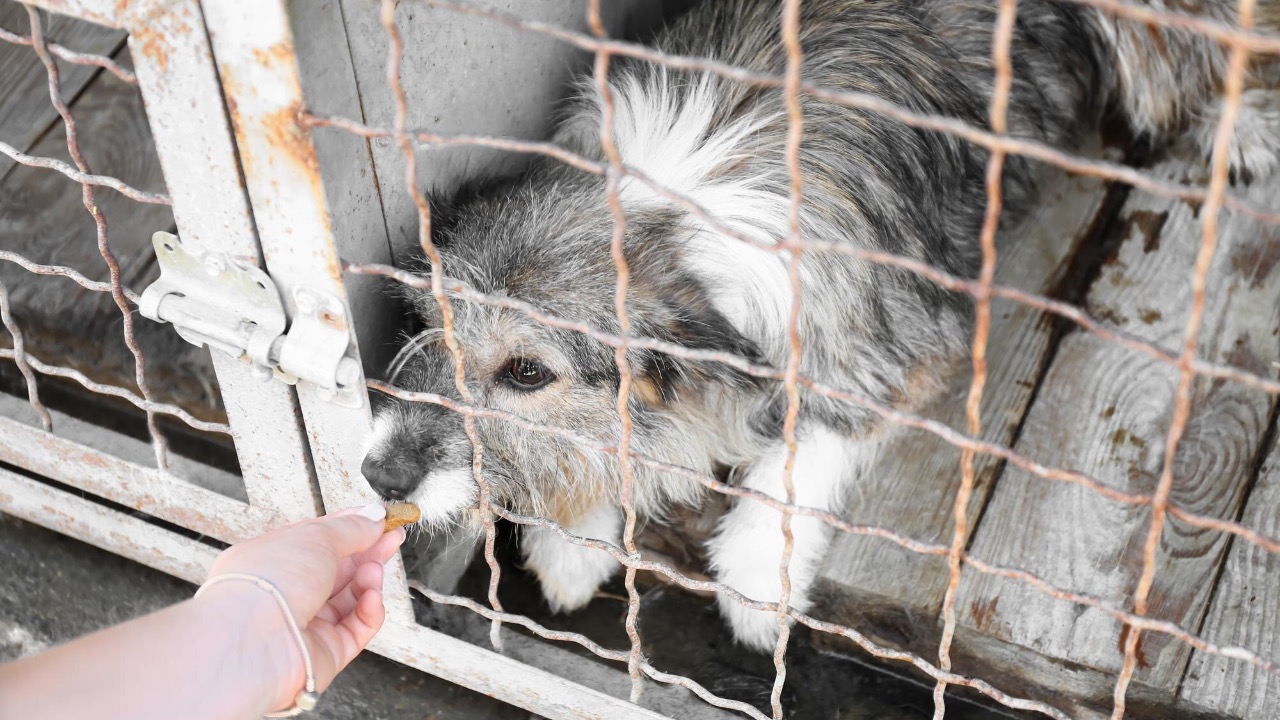
Inside the buildings and yards, the conditions demanded hazmat suits and respirators for the rescuers. Filth covered surfaces, and animals lived in tight quarters that made basic movement difficult. Some had died before help arrived. Overcrowding meant limited access to clean water and space, turning what was once a rescue into a place where daily care simply could not keep up.
Veterinary staff triaged animals right on site. Those needing immediate attention went straight to hospitals. The rest received exams, vaccines, and treatment before heading to county shelters. Officials described the environment as unsanitary and noted signs of neglect that had worsened over time. It was clear the setup had outgrown any reasonable capacity long ago.
The Overwhelming Scale of Animals
The final tally came in at about 250 dogs and 66 cats, though early field counts had guessed much higher. Christine De Anda, who ran Rock N Pawz, told responders the dogs numbered around 238 and insisted many were healthy. Still, moving that many animals in one day stretched every part of the system. Teams worked methodically to load and transport them without adding more stress.
This volume marked a record for Los Angeles County Animal Care and Control. Past large cases existed, but nothing matched this one for dogs and cats combined. The logistics alone—sorting, medical checks, and distribution across seven shelters—highlighted just how rare and demanding an operation of this size becomes.
Conditions That Left Rescuers in Hazmat Gear
Rescuers described the interior as filthy enough to require full protective equipment. Crates and pens held animals in close proximity with little room to move. Neighbors had complained for years about odors strong enough to carry across the area and sounds of aggression during feeding times. No proper septic or dumpster setup made waste management impossible at that scale.
The situation illustrated how quickly space and resources get stretched when intake never stops. Officials pointed out that many animals showed signs of living in those conditions for months. Some needed urgent medical intervention once removed. The contrast between the rural setting and the reality inside could not have been starker.
The Owner’s Take on What Happened
Christine De Anda maintained that her animals received daily cleaning and yard time. She said they were not a threat and that she had plans to expand kennels. After the raid she expressed sadness and indicated she would fight in court to get them back. Her nonprofit, started in 2000, had operated for years before this seizure.
The differing accounts—officials citing neglect and the owner citing care—highlight the complexity in these cases. Both sides agree the animals ended up in county custody that day. De Anda’s perspective adds another layer to understanding how such operations unfold when a rescue reaches its limit.
How Shelters Across the County Felt the Pressure
All seven Los Angeles County animal care centers absorbed the sudden influx. Staff worked overtime to house, evaluate, and treat the new arrivals. The agency opened its doors on Sunday, March 22, from eleven to five to speed up adoptions and foster placements. Fees were waived to encourage quick movement.
Director Mayeda put out an urgent call for public support through adoptions, fostering, or donations to the Animal Care Foundation. Some animals even transferred to partners out of state. The operation showed exactly how much strain one large seizure can place on an already busy shelter network.
Getting the Animals the Care They Need Now
Veterinarians continue checking each dog and cat for parasites, illnesses, and other issues that built up over time. No animals face euthanasia as part of this process. Instead the focus stays on rehabilitation and finding new homes. Many have already moved to partner rescues to free up space.
County Supervisor Kathryn Barger called the whole situation heartbreaking but praised the coordinated response across agencies. The animals now receive the consistent care that proved difficult on the Lake Hughes property. Progress reports keep coming as more get cleared for adoption.
Steps You Can Take to Help Out
If you live in the area or follow animal welfare news, you can check the Los Angeles County Animal Care and Control website for current adoption listings from this group. Many dogs and cats will become available soon after their medical clearances. Fostering offers another immediate way to ease shelter pressure.
Donations to the Animal Care Foundation directly support veterinary bills and daily care for these animals. Even sharing accurate information helps cut through the noise around big cases like this. Every small action adds up when a system gets pushed to its limits the way it did in Lake Hughes.

Asher was raised in the woods and on the water, and it shows. He’s logged more hours behind a rifle and under a heavy pack than most men twice his age.